This Is How I Save $1,500 to $5,000 Yearly

My Daily Bike Commute

First Published Date: August 8, 2015

One of the easiest ways to money on an ongoing basis is to live near where you work. Living close to work, however, saves you something else more precious than money and can’t be measured or replaced by anything else: time. Today, I will only look at the monetary aspect of living close to work.

I live in downtown Toronto, very close to my work. I have the option to walk, bike, or take a streetcar to work. What I do, instead of walking 100 percent, is use Toronto’s city bike sharing system Bike Share Toronto to cover part of my commute and walk to cover the rest. When it rains or snows heavily, I either walk or take a TTC street car.

By living close to work, I save a staggering $1,500 to $5,000 annually. These costs are very conservative and the actual savings can be even higher than my estimates. Here are my breakdowns:

$1,500 – Assuming I am using TTC and buying a monthly pass, which is nearly $130 a month.

$5,000 – Assuming I am using my own car. $5,000 includes monthly payment for car, insurance. However, to keep things simple, I am not including other costs that are involved having a car such as gas, parking, maintenance, tickets, etc.

As you can see, my $1,500 to $5,000 yearly estimates are actually lower than real costs someone could have incurred by driving or taking public transit to work in Toronto.

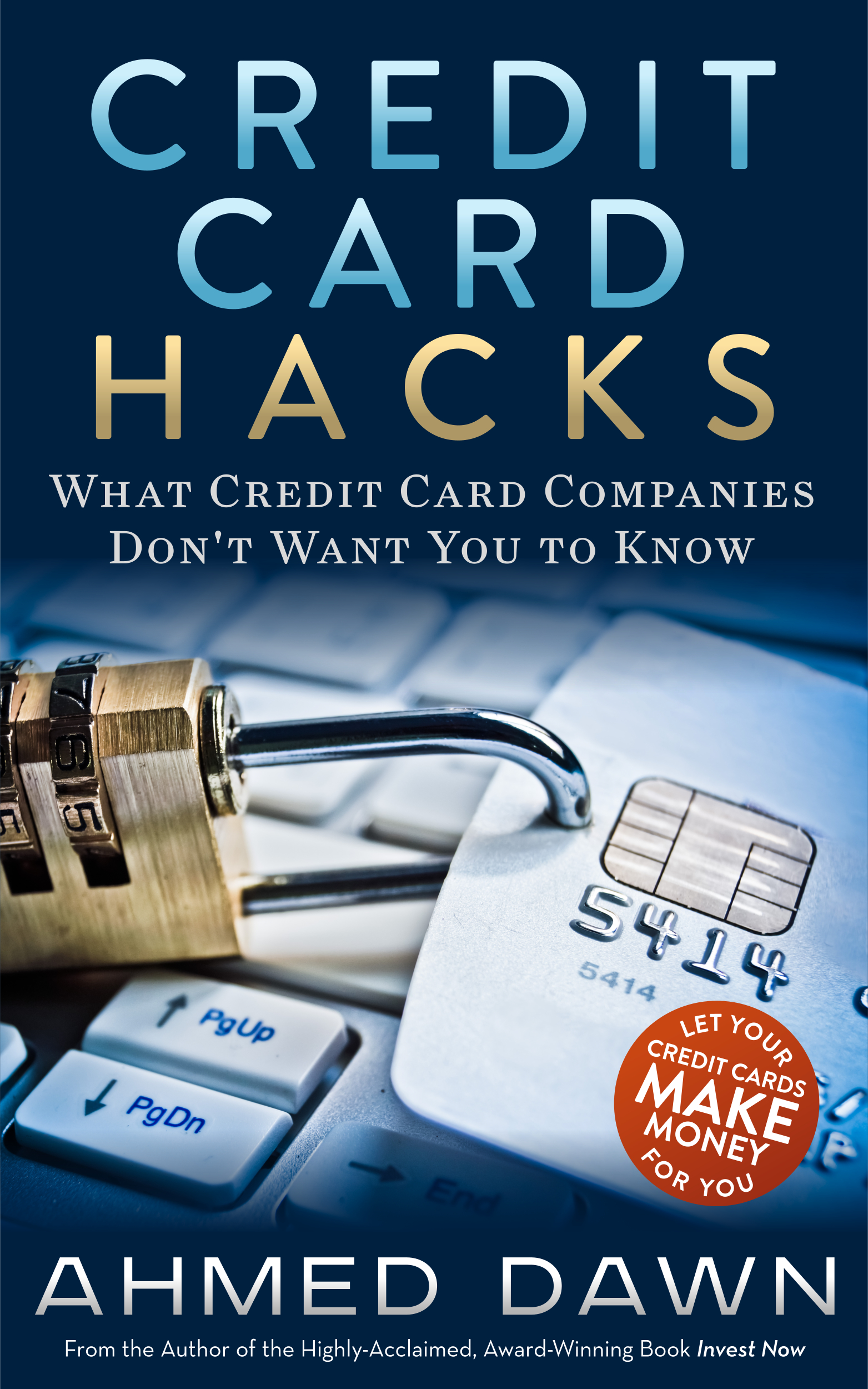
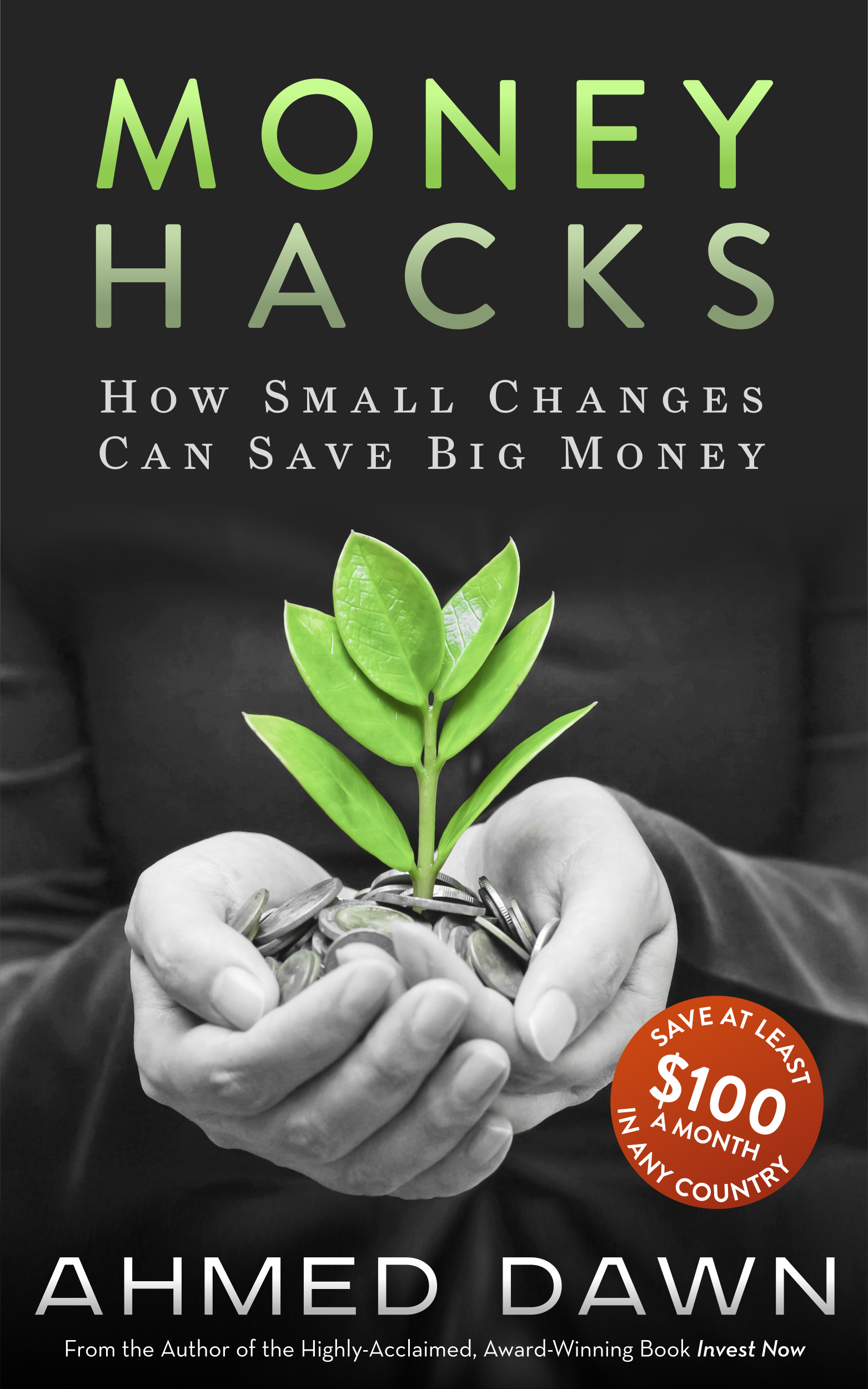
Living close to work to save money and time is great, but I understand that this is not possible for everyone for various reasons. There is no need to be discouraged if you are one of those. There are various other practical and smart tips to save money in my book

Money Hacks: How Small Changes Can Save Big Money

And there is no reason why you can’t save at least $100 a month applying what I have discussed in this book. You can download this book from Amazon (the link is on the very top right) and start saving money today.
How To Give Your Children The Best Start In Life Financially

Teach Your Kids Good Money Habits

First Published Date: July 19, 2009

As the old saying goes “Give a man a fish and you feed him for a day. Teach a man to fish and you feed him for a lifetime.” The same, or at least similar, applies to giving your children the best start in life financially. If your children are forever coming to you asking for money, it can be very hard not to give them a few dollars, especially if they have been well-behaved recently. However, this is something that should never become a habit. After all, you had to learn at some point that you cannot keep relying on other people. The message is that if you can save some of what you get from time to time, and find a (legitimate)  way of making to money it will stand you in much better stead for the future.

This is not a case of advising people to never give their children money. It is true that your children need to learn the value of money, but this is no more likely to be learned by giving them nothing than it is if you give them money every time they ask. All that you guarantee by withholding money every time is that they will one day start making money for themselves and rebel against everything you told them by spending like an heiress in a street full of boutiques. There is a sensible balance to be struck. If your child has a good reason for asking for the money, that scores a point. If they are not asking for much, that scores another. If they really do not ask all that often, then they deserve another point.

You can come up with your own points system, but do your best to make it fair while not being excessively flimsy. How likely is it that a child who knows they will get everything handed to them will grow up understanding that money needs to be earned. The old saying “Money doesn’t grow on trees” may be irritating, but it is also true. It has to come from somewhere, so it is worth encouraging your child – once they are old enough – to get a job which they can do on weekends earning just enough to pay for their leisure pursuits. This doesn’t mean you need to stop paying their way – it is even better if you top up what they earn with a little from your own pocket to show them that good behaviour is well rewarded.

There may seem to be some madness in the above stratagem, but rest assured there is method to it. Giving your child a decent appreciation of the benefits of working for money, a recognition that they cannot rely on someone to just hand it to them, and yet the reassurance that you will not turn them down if they really need help, is the strongest way of reinforcing the lessons of good financial behaviour, and your child will be more likely to thrive financially in times to come.

To streamline and minimize blog maintenance, I will be discontinuing maintaining the Canadapersonalfinancewebsite.com website (however, I will still hold the domain). I will gradually move all articles from this site to A Dawn Journal. This article originally published on the above website on July 19, 2009.

Time To Invest in Stocks?

Should You Invest Now?

Published Date: May 03, 2009


There will be no small number of people looking to save every penny they can get their hands on right now, in the midst of a lending crisis that has permeated even the most disciplined economies in the world. Putting money aside – squirreling would be the best way to put it – is certainly quite tempting as things stand, not knowing when the recovery will really begin in earnest. In order to be sure of having money in the months to come, it is perfectly sensible to put some by. On the other hand it could be said that if you don’t invest a bit now, there will never be a better time.

Sure, there will be some reluctance on the part of any of us to put money where it might lose value, and the fact of the matter is that investing does carry that risk – “remember, investments can go down as well as up” ring any bells for you? Without that kind of fluidity, there would be no chance of making a bit of money on the stock market, or through any kind of investing – and you would be better off just putting it in a savings account. What we can be certain of is that several investments are now at as low a value as most of us can remember – and ripe for the buying cheap.

Award-winning book Invest Now is jam-packed with timely information and timeless advice for the beginning Canadian investor. To purchase a copy, visit Chapters Indigo or buy online – Invest Now: A Canadian’s Guide to Investing

No-one with any knowledge of such matters will tell you that your investment is guaranteed to increase in value, and less still will you be told that you will get an instant return, so it is worth having a savings plan at the same time. The chances are, however, that a small investment will have an initial small return, and can even act as a dry run for investing in greater amounts. As rules of thumb go, “Only invest what you can afford to lose” is a good one. It will allow you to learn the ropes in a less pressurized context.

Of course, investing can be a daunting prospect. If you stand to make any kind of money at all, the chances are that it will carry a frisson of nerves as you watch and wait for the right moment to sell or stay in. The chances are that on your first investment you will be tempted to sell as soon as you realize any kind of profit on the deal. While there is every reason to be happy at turning a profit, it is worth taking into account that people who have been playing the market for longer will stay in longer than those who haven’t. The reason for this is that they have learned to recognize when a stock will keep rising.

It is worth purchasing a guide to investment because these are invariably written by people who have done it and been successful. Warning signs that might go ignored by the novice will be covered in these guides, as will those false alarms that make first time investors panic and get out. When you are investing for the first time, it is good to have this reassurance.

To streamline and minimize blog maintenance, I will be discontinuing maintaining the Canadapersonalfinancewebsite.com website (however, I will still hold the domain). I will gradually move all articles from this site to A Dawn Journal. This article originally published on the above website on May 3, 2009.

How To Save Without It Getting You Down

Save Money Easily

First Published Date: June 3, 2009

Saving money is a necessity – now more than ever. As the world becomes enmeshed in more and longer financial struggles, there is inevitably a knock-on effect on consumers, even if your income remains constant or improves. House prices are falling, and the value of the dollar in your pocket is dropping too. This is no terminal decline, but it is still quite troublesome for any of us. Unless you live in a forest and survive by hunting, gathering and bartering, the global financial crisis will affect you in one way or the other. As much as we are being encouraged to get out there and spend our pay checks, it is entirely understandable that many of us are taking that advice with a pretty huge pinch of salt.

If you have money to spend and there are things that you need, certainly there’s no reason you shouldn’t get out there and help stimulate the economy. That is undeniable, but at the same time there is no reason you should over-extend yourself in doing this kind of patriotic duty. Looking for ways to make a saving is not treason – it is simple common sense. Keeping it simple is the best way of doing this in any case. For example, are you taking advantage of existing discounts and special offers which are relevant to you?

Supermarkets and clothes shops will often have discount cards for students or other concessions. What is wrong with enlisting the student in your household to help you take advantage of these special offers? This can get you a cut of up to 15% on the cost of necessary purchases, making your dollar go further. Additionally, things like gas cards and loyalty programs with set outlets can result in a large saving for you, if you manage them correctly.

Often supermarkets or other outlets will have big discounts on food that has a long shelf-life. Building up a stock of the things you need and will use is always a good idea, and frees up money for the long term – often making a quite pronounced difference in the bottom line on your shopping bills.

Saving money does not need to mean opening a savings account, but it is obvious that the two naturally go hand in hand. One way that you can demonstrate to yourself the advantages of saving is to use your savings account every time you spend less than you had budgeted. No matter how much or how little the difference, if you put that money in the savings account every time it will quickly build up and accrue interest which benefits you.

Now, no-one is about to advise you to re-use old tea bags or anything like that, but there are tons of little things like those mentioned above which can make all the difference in seeing out the recession in better financial shape than might otherwise have been the case. If you do things correctly you can end up with a healthier bank balance and have the necessary spare cash to make you comfortable.

To streamline and minimize blog maintenance, I will be discontinuing maintaining the Canadapersonalfinancewebsite.com website (however, I will still hold the domain). I will gradually move all articles from this site to A Dawn Journal. This article originally published on the above website on June 3, 2009.

Now Is Still Not The Time For Major Borrowing

Government credit bad, Consumer credit good?

First Published Date: June 26, 2009

As the danger of a third election in four years hangs over a nation considered by the rest of the world to be so stable it is “boring”, it would be entirely understandable if the alarm bells in the brain of every Canadian started to ring right about now. After all, the prospects of the nation trading at a deficit any time soon are at present not amazingly good. This, however, has not stopped the press from suggesting that now is the time, if ever the time existed, to get out there, dust off your credit card and prepare to hit the shops with a vengeance. This advice comes via the newspapers from the Finance Minister Jim Flaherty.

If it sounds a little bit reckless for something a Finance Minister might say, this is with very good reason. The minister’s words were somewhat more considered, but by the time the press had had their way with them, it did sound a little bit more like incitement to spend the inheritance. What he actually said was “positive signs in financial markets give us cause for cautious optimism that a global recovery may not be far behind”. He added that Canada would lead this recovery and be at the front of the queue to boost business. There is, perhaps, some amount of mockery in the words as set out in the press, with some journalists not quite sharing the Minister’s optimism for the future.

Much of the implication behind the press reaction to what Minister Flaherty has said seems to be that the minister is saying everything he can think of in order to stimulate consumer spending in a time when the nation’s financial sector could do with a helpful push or two. This is not exactly an untried initiative, of course, but the average family may well be heartened by what they hear from the government. The theory of consumer spending stimulating the economy is a self-perpetuating one. Sure, it’ll boost the flow of cash through businesses. It will, however, only operate that way if it is allowed to, and this means that banks need to be as willing to lend as customers are to spend.

The next year to eighteen months will be interesting for those who like to read the global response to financial situations. Many countries in the developed world, including the United Kingdom, are due to hold general elections to decide on the makeup of their next government. Good governmental marshalling of the global economies in the next year and a half will see more incumbent governments re-elected, but to drop the ball now would be to almost guarantee and end to a government’s hold on power. Indeed, with one country’s economy affecting those of its neighbours, it could be that decisions taken in one country affect the election in another. Should you go out and spend, spend, spend in order to keep a few governments in their seats? Well, only if you can afford it. Now is still not the time for major borrowing.

To streamline and minimize blog maintenance, I will be discontinuing maintaining the Canadapersonalfinancewebsite.com website (however, I will still hold the domain). I will gradually move all articles from this site to A Dawn Journal. This article originally published on the above website on June 16, 2009.