Best Maldives Resorts for Every Budget ($300 to $1500 Compared)

How to experience the Maldives at any price point — and which tier offers the best value.

The Maldives has a reputation for being a once‑in‑a‑lifetime luxury destination, but the reality is far more accessible. With the right strategy, you can experience the same turquoise lagoons, overwater villas, and world‑class snorkeling at three very different price tiers: $300, $800, and $1500 per night.

This guide breaks down exactly what you get at each level, which resorts deliver the strongest value, and how to combine them for the smartest overall trip.

Why the Maldives Works at Every Budget

The Maldives is unique because:

  • Every island is its own resort

  • The water quality is consistently world‑class

  • Even budget tiers offer clear lagoons and marine life

  • You can mix local islands with private islands to reduce cost

  • Transfers, taxes, and meal plans matter more than the room price

This means you don’t need to spend $1500 per night to enjoy the Maldives — but you can if you want the full luxury experience.

Tier 1 — $300/Night (Local Island Resorts)

Best for: First‑timers, budget travelers, value seekers

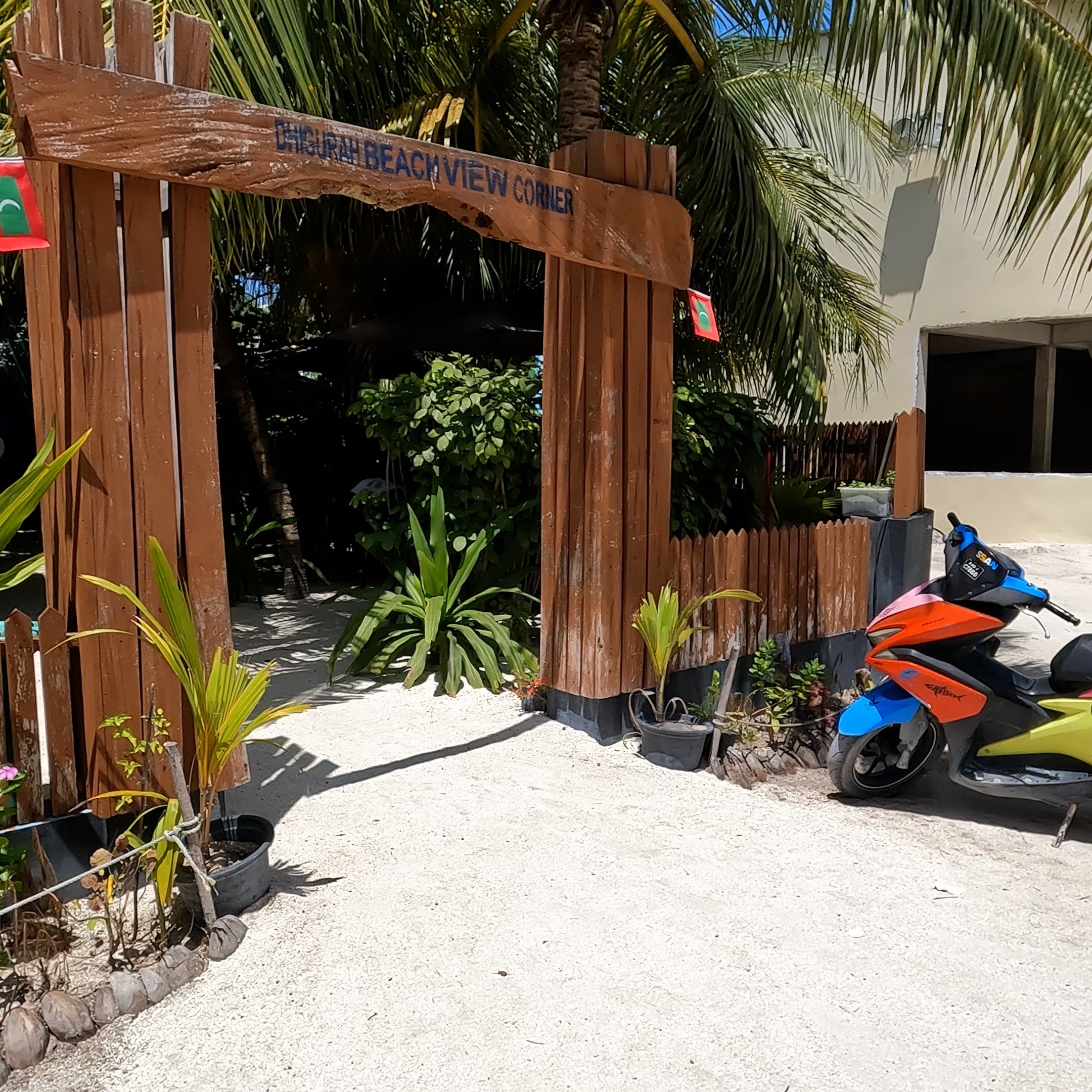
Featured Resort: Crown Beach Hotel, Dhiffushi

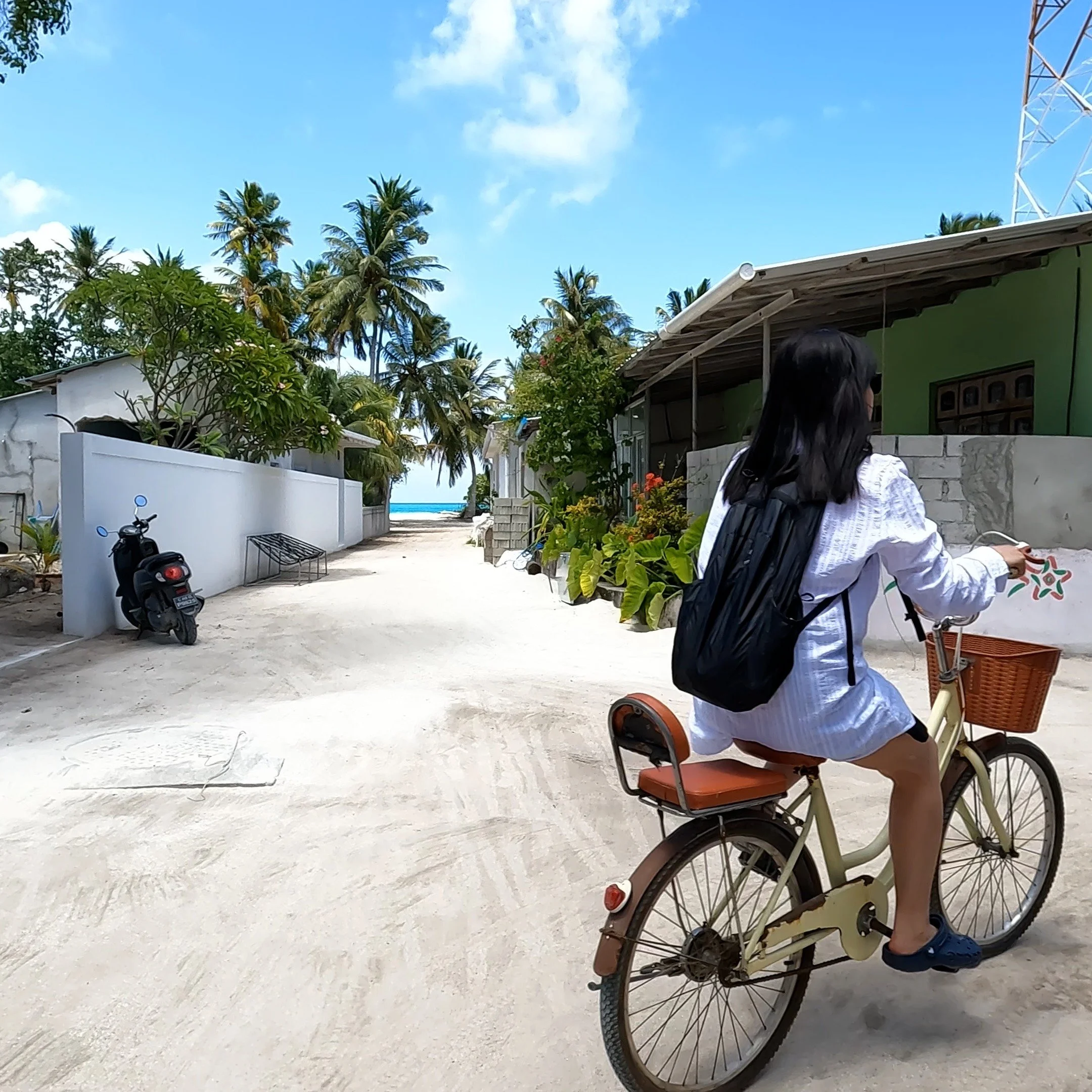
Local islands offer the highest value per dollar in the Maldives. You don’t get overwater villas, but you get:

  • Beachfront rooms

  • Calm lagoons

  • $50–$60 excursions

  • Walkable islands

  • Local restaurants and cafés

  • Affordable transfers

Why it works: You get the same ocean, same sunsets, and same snorkeling — at a fraction of the price.

Who it’s for: Travelers who want the Maldives experience without paying private‑island rates.

Tier 2 — $800/Night (Mid‑Range Private Islands)

Best for: Classic Maldives experience, couples, overwater villa seekers

Top Picks:

  • Bandos Maldives

  • Embudu Village (cheapest overwater villas)

  • Holiday Inn Kandooma (best house reef)

This tier gives you the “Maldives postcard” experience:

  • Private island

  • Overwater villas (select resorts)

  • Better beaches

  • Better reefs

  • More privacy

  • Higher‑quality dining

Why it works: You get the iconic Maldives feel without entering luxury pricing.

Who it’s for: Travelers who want the overwater villa experience without paying $1500+.

Tier 3 — $1500/Night (Accessible Luxury)

Best for: Honeymoons, special occasions, premium travelers

Featured Resorts:

  • SAii Lagoon Maldives

  • OBLU XPERIENCE Ailafushi

  • LUX South Ari Atoll*

This tier delivers:

  • Larger, more private villas

  • Premium lagoon views

  • High‑end dining

  • Better service

  • More polished design

  • Iconic overwater villa experiences

Why it works: You’re paying for refinement, privacy, and premium views — not just the room.

Who it’s for: Travelers who want a luxury experience without entering ultra‑luxury pricing.

The Smartest Strategy: Split‑Stay

The Maldives is one of the few destinations where splitting your stay saves money and improves the experience.

Recommended Split‑Stay Plan

  • 3 nights on a local island (Dhiffushi)

  • 2 nights in an overwater villa (Embudu or SAii Lagoon)

Why this works

  • You save ~40% on your total trip cost

  • You still get the overwater villa experience

  • You enjoy both local culture and private‑island luxury

  • Transfers become more efficient

  • You avoid paying $1500/night for your entire stay

This is the strategy most repeat travelers use — and it’s the one that delivers the best overall value.

Which Tier Offers the Best Value?

If you want the best price‑to‑experience ratio, Tier 2 wins. If you want the lowest cost, Tier 1 wins. If you want the premium experience, Tier 3 wins.

But the Split‑Stay is the true sweet spot for most travelers.

Watch Next

Explore the full Maldives Playlist — cost guides, resort comparisons, transfers, taxes, meal plans, and everything you need to plan your trip with confidence.

Why the ASUS V16 Is My New DaVinci Resolve Machine

Why I Finally Switched from the Surface Pro 4 to Asus V16

After years of relying on the Surface Pro 4 as my portable editing and productivity companion, it died on me all of a sudden. It served me only 4 years, but as its 4K editing, higher bitrates, and more demanding software became part of my daily routine, the Surface 4’s limitations became impossible to ignore.

The Surface Pro 4 was never designed for heavy video editing. With no dedicated GPU and an aging CPU architecture, it struggled with everything from timeline playback to rendering. Despite having 32GB of RAM, the system simply lacked the hardware acceleration Resolve depends on. Eventually, the device failed completely, forcing me to make a decision I had been delaying for too long: it was time to upgrade.

Choosing the right replacement wasn’t easy. I had to think about performance, practicality, and value. I needed a machine that could handle DaVinci Resolve efficiently without costing the same as a high‑end workstation. After comparing multiple options, the ASUS Vivobook Pro (V16) stood out immediately. It offered exactly what the Surface 4 lacked: a dedicated NVIDIA GPU, a modern high‑performance CPU, and a fast NVMe SSD. These three components alone transform the editing experience.

The ASUS V16 also provides a large, high‑quality display, solid thermals, and enough power to handle 4K timelines smoothly. Even with 16GB of RAM, it outperforms the Surface Pro 4’s 32GB configuration because the Resolve prioritizes GPU and CPU power far more than memory for standard editing tasks. The difference is night and day — exports that once took half an hour now finish in minutes.

Switching from the Surface 4 to the ASUS V16 wasn’t just an upgrade; it was a necessary step forward for modern content creation—and the performance gains speak for themselves. My regret is that I spent $3200 for my Surface 4 and it didn't even last very long. On the contrary, I spent only $1000 for my Asus V16 and couldn't be happier with its performance.

How To Visit Penang’s Clan Jetties: Chew Jetty and Tan Jetty

Exploring Penang’s Clan Jetties: Chew Jetty and Tan Jetty

Visiting historic Clan Jetties was on top of our Penang “What To See” list. Built by Chinese immigrant communities in the 19th century, these waterfront settlements sit on wooden stilts above the sea and remain active residential areas today. Visiting the jetties offers an accessible look at Penang’s living heritage, traditional architecture, and coastal lifestyle.

Chew Jetty: The Most Iconic Stop

Chew Jetty is the most popular tourist friendly of the remaining clan jetties. The entrance is lively, with various small vendors. We stopped here for a moment to have fresh coconuts—an ideal refreshment before walking the long wooden boardwalk under the tropical heat.

Shops line both sides of the jetty, offering souvenirs, snacks, and locally-made items. As you walk toward the waterfront, the scent of the sea, dried seafood, and wood adds to the atmosphere. Murals depicting traditional life and small temples highlight the community’s cultural roots, making Chew Jetty a convenient introduction to Penang’s maritime heritage.

Tan Jetty: A Quieter, More Authentic Experience

A short walk away, Tan Jetty provides a contrasting experience. It is quieter, less commercial, and offers a more authentic look at daily life on the water. With fewer crowds, visitors can appreciate the stilt houses, open sea views, and the slower pace of the community. The long pier extending into the water is a popular photography spot, especially during sunrise and sunset.

Street Food Near the Jetties

Food stalls near Tan Jetty offer simple, affordable local snacks. Deep‑fried prawn crackers and fried tofu are popular choices, typically costing around 4.20 MYR (about $1.50 CAD). These quick bites are ideal if you want a light snack before continuing your George Town exploration.

Practical Tips for Visiting

  • Best Time to Visit: Early morning or late afternoon provides better lighting and avoids the intense midday heat on the exposed wooden walkways.

  • Respect the Residents: The jetties are living neighborhoods. Follow posted signs regarding photography and avoid entering private areas.

  • Footwear: Some temples require shoes to be removed, so choose footwear that is easy to slip on and off.

We liked visiting Clan Jetties a lot. It also reminded us our visit to the Muslim Floating Fishing Village in Thailand. Clan Jetties offer of the island’s most unique cultural experiences—easy to visit, visually interesting, and deeply connected to the city’s history.

The Ancient Sea Inside Us: Why Humans Are Drawn to the Ocean

Humans Are Not Made of the Ocean — The Ocean Made Us

It’s often said that humans are “made of the ocean.” Taken literally, that isn’t true. Yet the idea refuses to disappear, not because it is scientifically precise, but because it captures something deeper than numbers ever could.

The popular claim that the human body is 97% water is a myth. In reality, the average adult body is about 60% water, though that percentage varies by age and organ. That water is not seawater. In fact, drinking seawater is harmful; our bodies survive only because that internal water is delicately regulated.

Still, the ocean feels uncannily familiar.

A Familiarity Older Than Memory

When I was a child, being near the ocean always altered my state of mind. It wasn’t just the sight of water stretching toward the horizon. It was the salt in the air, the cool moisture carried by the breeze, the steady, rhythmic sound of waves folding into themselves. Something would settle inside me—quiet, grounding, inexplicable.

It felt less like discovering a place and more like remembering one, as if I were a lost sailor who had finally reached shore, not somewhere new, but somewhere known.

Different Oceans, the Same Feeling

As the years passed, that feeling didn’t fade. It intensified.

Every time I encountered the sea—along the coasts of Canada and the United States, across the warm waters of Cuba and Jamaica, and later in Australia, New Zealand, Thailand, and the Philippines—the same sensation returned. Different oceans, different cultures, different climates, yet the response was identical.

It wasn’t tied to a country.
It wasn’t tied to a memory.
It was tied to the water itself.

When Paradise Felt Like Belonging

By the time I reached the Maldives, the feeling had reached a kind of clarity. Standing before vast, uninterrupted blue, I found myself speechless. The beauty and scale of the ocean didn’t merely impress me—it humbled me.

In that moment, the sea stopped feeling like a destination.
It felt like paradise.
More than that, it felt like belonging.

What Science Reveals About the Pull of the Sea

Science offers insight into why this experience is so widespread. Humans experience reduced stress near ocean environments. The brain responds positively to rhythmic wave sounds. Vision is calmed by large, horizontal water expanses.

These responses are not learned; they are inherited.

Life began in the sea billions of years ago, and long after our ancestors moved onto land, our bodies retained the memory of water as safety, continuity, and life. Human blood chemistry still echoes ancient oceans. Human development begins suspended in fluid. Even today, our bodies behave as though they are protecting an inland remnant of the sea.

The Ocean Never Truly Left Us

So no, humans are not composed of ocean water.

But the ocean shaped us—biologically, psychologically, and emotionally. And perhaps that is why, when we stand at its edge, we do not feel like visitors.

We feel like we’ve returned.

View my entire Maldives experience here

Penang Hill Guide: Funicular Trains, Hilltop Views, and What to Expect

Penang Hill Guide: Top Things To See

Penang Hill is the only location we visited on our Malaysia trip after landing in Kuala Lumpur.  Located in Northern Malaysia, Penang has cooler temperatures, panoramic views, and a funicular system that’s an engineering landmark. If you’re visiting Penang, this is one of the easiest half‑day trips you can make.

Funicular Train: The Fastest Way Up

Our visit starts at the Penang Hill Lower Station in Air Itam, where the funicular train takes you to the summit in minutes.

Ticket Price for Foreign Visitors: 60 MYR (round‑trip)

The ride is smooth and steep, and one of the most interesting moments is the mid‑section, where you can see the massive pulley wheels that synchronize both trains. For the best visuals, stand at the front or back to watch the track rise or fall directly beneath you. Also, we saw some houses tucked in the mountains that added a charm to the view.

At the Top: Weather and Views

The summit is noticeably cooler than George Town. On clear days, you’ll get wide views of:

- George Town

- Penang Bridge

- The coastline and sea

However, Penang Hill is known for sudden fog. When clouds roll in, the sea view disappears completely and the area turns into a misty, atmospheric hilltop. We were not lucky enough to have a clear view that day.

Temples and Hilltop Landmarks

A unique feature of Penang Hill is the Hindu Temple and Mosque located side‑by‑side, reflecting Malaysia’s multicultural identity. The summit also offers gardens, walking paths, and several viewpoints overlooking the city.

If you prefer not to walk, electric buggies are available.

Buggy Tour: Around 40 MYR per person


Food and Small Treats

There are cafés and small stalls around the peak. A popular option is the Mango Ice Cream (5 MYR) — simple, refreshing, and ideal for the cooler climate. Macaque monkeys are common, so keep food and objects secure.

Final Thoughts

We enjoyed the entire trip and our only regret was not having sunny weather that day. If you are visiting Penang, Penang Hill is absolutely worth visiting for its funicular ride, cooler weather, and panoramic views. Whether you’re interested in engineering, photography, or just a relaxing escape from the city, it’s one of Penang’s most accessible and enjoyable attractions.