5 Things We Used in the Maldives & 3 We Didn’t

Maldives Packing Hacks: What We Used & What Didn’t

Packing for the Maldives can be tricky—you want to be prepared without overpacking. After visiting 4 Maldives local islands and 1 resort islands, here are five things I actually used and three that stayed in my bag.

✅ 5 Things I Actually Used

  1. Full-Sleeve Sun Protection Shirt - The Maldivian sun is strong and this lightweight shirt kept me cool while protecting my skin during snorkeling and beach walks.

  2. Sunblock (High SPF) - An absolute must. Whether relaxing on the beach or on a boat trip, sunblock was essential every single day.

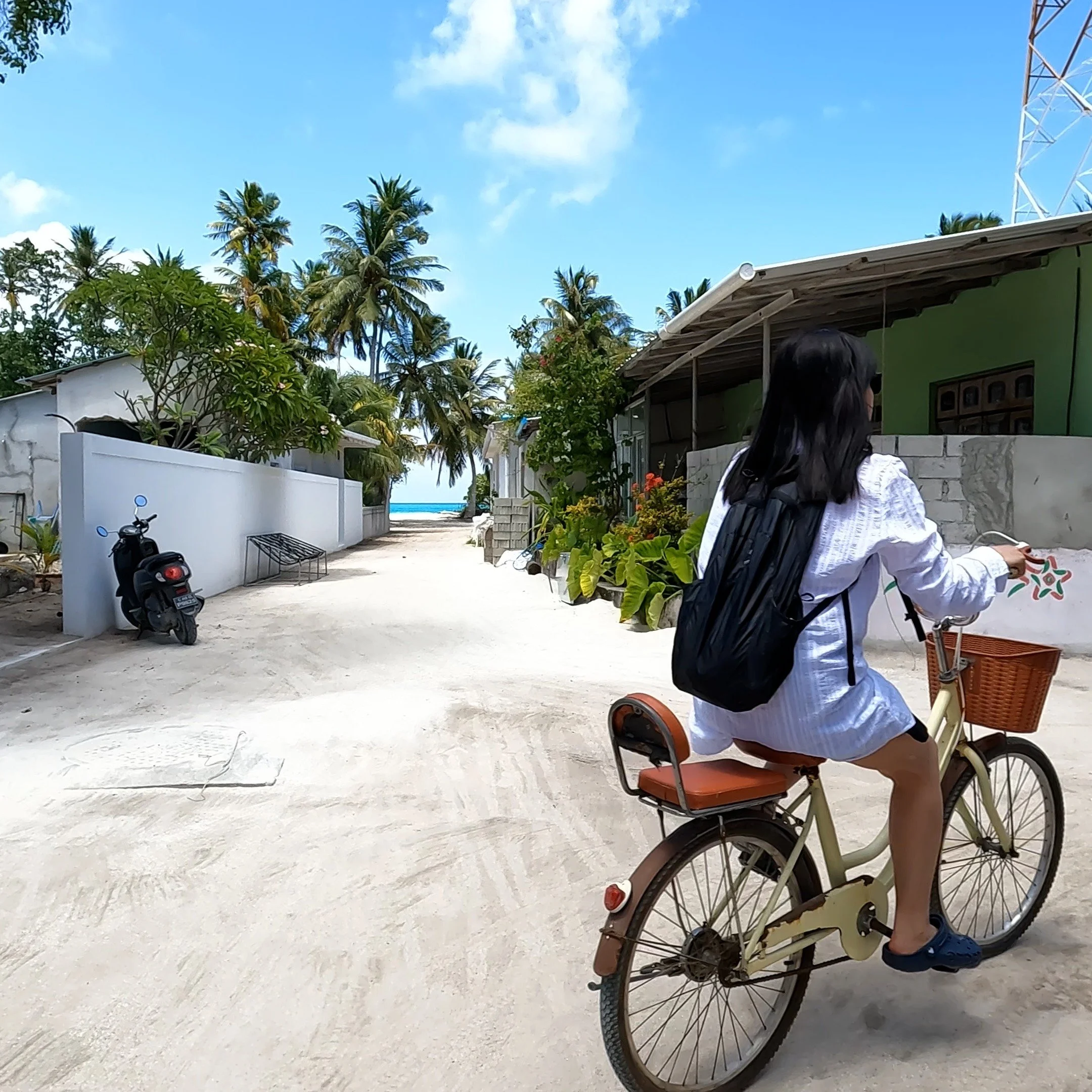
  3. Crocs Sandals - Comfortable, waterproof, and perfect for sandy beaches and rocky paths. On our boat tour, we left them on the dock in the open sun for 6 hours and still didn’t find any damage from overheating.

  4. Light Portable Foldable Backpack - Ideal for carrying essentials during day trips without feeling bulky.

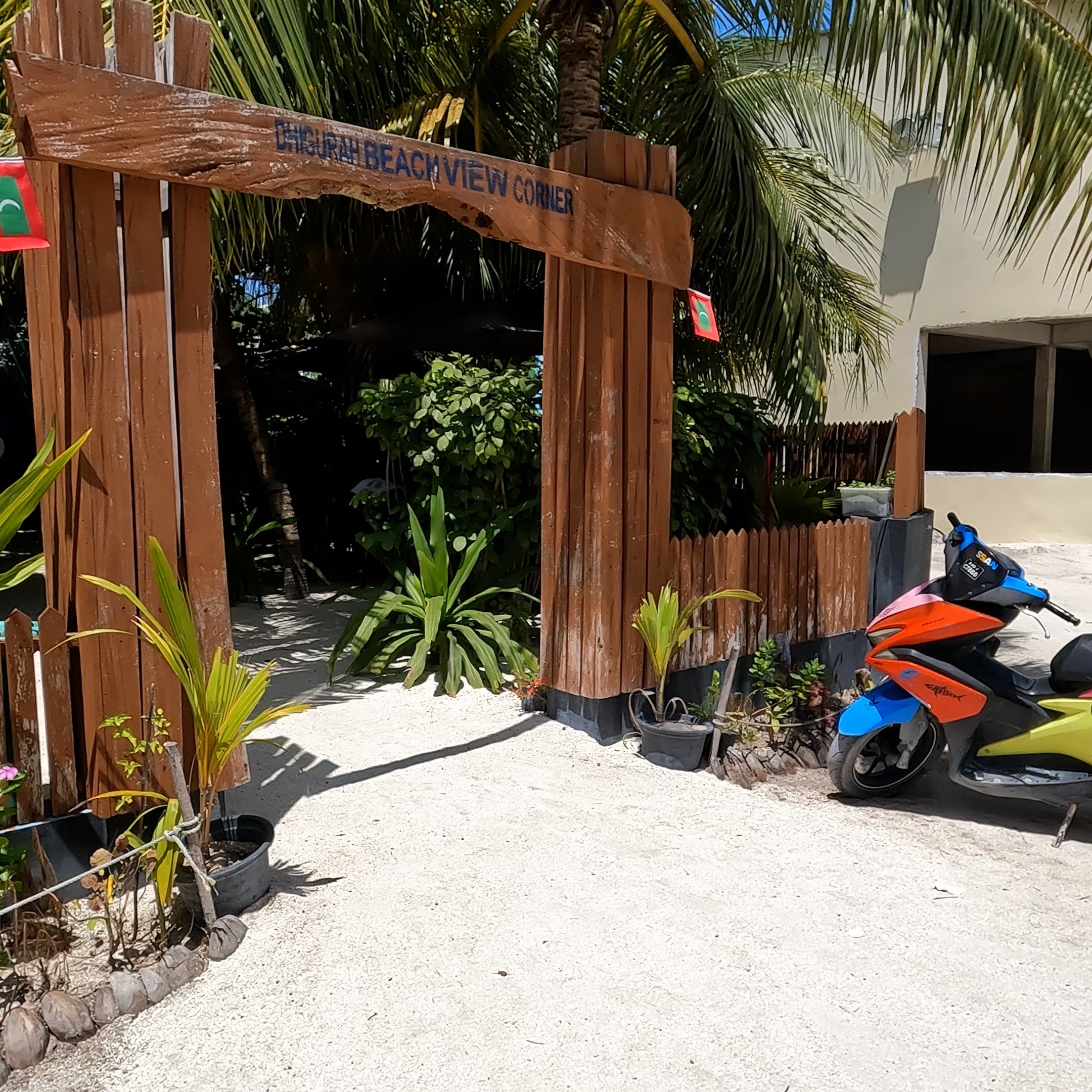
  5. Mini Flashlight - Dhigurah’s roads were pitch black at night with no street lamps. This small flashlight was a lifesaver for evening walks.

❌ 3 Things I Didn't Use

  1. Mosquito Repellent - I packed 5 bottles expecting trouble, but mosquitoes were barely an issue. We only used one. The rest I gave to hotel employees on different islands.

  2. Extra Coffee & Brewing Gear - Every island had plenty of coffee shops and hotel rooms offered complimentary coffee. Our Tim Hortons coffee and filters stayed unused.

  3. Rain Jacket - The Maldives rain comes in short bursts and clears quickly. We carried our rain jackets everywhere but never needed them.

What I Would Do Differently Next Time

Packing smart for the Maldives means focusing on sun protection and practical essentials. Leave behind the "just in case” or excess items. Instead, bring what you'll truly use—like a good sunblock and even a mini flashlight for those quiet island nights. We would still carry our light foldable rain jacket next time but the rest of the items we didn’t use won’t make the cut. The Maldives is all about simplicity, so travel light and enjoy paradise.

12 Surprising Maldives Secrets Every Traveler Should Know

12 Maldives Facts You Didn’t Know

When you think of the Maldives, you probably imagine overwater villas, endless tuna dishes, and heavy rain during the monsoon season. But after spending two weeks exploring the local islands, I discovered that many common assumptions about the Maldives are completely wrong. Here are 12 surprising realities that will change how you plan your trip.

 1. Solo Female Travelers Are Safe and Thriving

Despite what some blogs and videos claim, the Maldives is generally safe for solo female travelers. I met many young women exploring the local islands without any issues. The community vibe and hospitality make it a welcoming destination.

 2. You Won’t Be Eating Tuna All Day

Yes, tuna is a staple in Maldivian cuisine, but don’t worry—you won’t be stuck eating it for every meal. Local cafés and guesthouses serve a variety of dishes, from flavorful curries to fried rice and even Western options. I barely ate tuna during my trip!

 3. Mosquito Myths Are Overblown

Before my trip, I stocked up on mosquito repellent, expecting swarms on the islands. In reality? There was hardly any mosquitoes. Sea breezes and clean surroundings keep them away, so don’t overpack repellents.

 4. Rainy Season Isn’t Really “Rainy”

I visited during the southwest monsoon (May–October), expecting constant rain. It rained only once in two weeks—and just for a short burst. Booking in the rainy season can save you a lot of money without sacrificing good weather.

 5. Most People Working Aren’t Maldivian

Here’s something few people know: the majority of workers in resorts and guesthouses are from Bangladesh, Nepal, and Sri Lanka. Stores, groceries, cafes, restaurants, construction, and everywhere else most of the people we met were from Bangladesh. We found local employees only on tours and diving.

 6. The Maldives Is the Flattest Country on Earth

With an average elevation of just 1.5 meters above sea level, the Maldives is the world’s lowest-lying nation. This unique geography creates stunning horizons but also makes the islands vulnerable to rising seas.

 7. Local Islands Offer Authentic Culture

Luxury resorts are beautiful, but the local islands give you a real taste of Maldivian life—family-run cafés, traditional dhoni boats, and cultural music like Bodu Beru drumming. Plus, staying on these local islands is far more affordable.

 8. Freshwater Comes from the Ocean

There are no rivers or lakes in the Maldives. Drinking water comes from desalination plants that convert seawater into fresh water—a fascinating sustainability practice you’ll notice everywhere.

 9. You Can’t Go Wrong with Any Island

Every single one of the Maldives’ 1,190 islands is a coral paradise with powdery white sand and turquoise waters. There’s truly nothing else like this in the world—there are no “bad” islands here. Whether you choose a resort or a local island, the beaches will blow your mind.

 10. You Can Save Big in Off-Peak Season

Traveling during the rainy season or staying on local islands can cut your costs by up to 50%. Combine that with fewer crowds and mostly sunny weather, and you’ve got a smart travel hack.

 11. Sharks, Manta Rays, and Whale Sharks Are Gentle Giants

The Maldives is one of the few places where you can swim alongside incredible marine life without fear. Reef sharks don’t eat humans, manta rays don’t bite, and even the humongous whale shark peacefully shares the water with snorkelers. It’s a once-in-a-lifetime experience—and found only in the Maldives.

 12. Everyone Speaks English

Another thing about the Maldives is that everyone speaks English – even the kids. Also, I was shocked to have a conversation with them finding out that they are fluent in English and do not have a thick accent that many other countries have where it’s difficult to understand.

 Final Thoughts

The Maldives isn’t just about luxury resorts and postcard-perfect beaches—it’s full of surprises that make it more accessible and enjoyable than most people think. Whether you’re a solo traveler, a budget explorer, or someone seeking authentic culture, these insights will help you plan a smarter, more rewarding trip.

Best Budget Island in Maldives - Local Island Dhigurah Travel Guide

Maldives Under $100/Day? Dhigurah Island Budget Travel
Dhigurah vs Maafushi vs Ukulhas | Which Maldives Island Is Best for You?

Forget the five-star, thousand-dollar-a-night resorts. This is Dhigurah—the best budget island in the Maldives, where you can swim with whale sharks, walk a massive sandbank, and enjoy the full experience for genuinely under $100 a day.

If you’ve looked into local islands, you’ve definitely seen Maafushi and Ukulhas. I've been to them all, and I'm telling you right now: Dhigurah is the undisputed winner. It delivers the best mix of world-class marine life, beautiful beaches, and true value for your trip.

You want the specific costs, so let’s get straight to the numbers. We’re starting with the full, detailed Budget Breakdown—your exact costs for accommodation, transport, and food—so you can start planning right now.

The Full Budget Breakdown

Let's start with the biggest expense: where to sleep. You can comfortably stay here in a clean, modern guesthouse for $60 to $90 per night. I personally stayed at Tides Dhigurah for around $100 per night.

Food is where Dhigurah differs. Because it has fewer local restaurant options, the food prices are slightly higher. You should expect a hearty dinner at a local café to run you $12 to $18—a bit higher than other islands. This is the crucial trade-off you make for the tranquility and the unique marine life experience.

Now, let's talk transport. The boat transfer to Dhigurah is the most expensive and time-consuming because it’s the furthest. A one-way speedboat costs about $80 US and takes nearly 2 hours. For comparison, Maafushi is just 25 minutes for $25, and Ukulhas is $50 for 1.5 hours. Yes, Dhigurah is pricier to reach, but you can opt for the local ferry if you have time, although service is limited and takes much longer.

So, what's the grand total? If you factor in the slightly higher transport and food costs, but only book one excursion, your all-in daily spend is genuinely around $100+ a day.

Must-Do Activities & Experiences

This is the main event: Whale Sharks. Dhigurah is famous for them because it borders the South Ari Atoll Marine Protected Area, giving you the highest concentration and the unrivaled chance in the world for year-round sightings. Here is the full cost of the Whale Shark Tour (around $50 to $80) and the best time of day to book it—always go for the half-day trip.

Dhigurah’s crown jewel is the massive sandbank at its tip. This sandbank is unparalleled among all local islands. It stretches into the ocean like a private runway of white sand. Go at low tide for the best photos and bring water—it's a long walk, but it’s worth it.

And yes, Dhigurah has an incredible Bikini Beach. It’s long, spotless, and separate from the local village, so you can relax comfortably. This island truly delivers the resort feel without the resort price tag.

The Comparison

The question everyone asks: Dhigurah vs Maafushi? Maafushi wins on transport cost and food price, but Dhigurah wins on unparalleled experience. You cannot find the massive, unparalleled sandbank or the highest concentration of whale sharks anywhere else in the budget islands. Dhigurah is a higher quality experience that justifies the extra travel cost.

Ukulhas is a good alternative, but its bikini beach is smaller, and it doesn't have the famous Dhigurah Sandbank. When you factor in the easy access to whale shark tours, Dhigurah just offers a stronger, more complete package for the budget traveler.

Essential Tips & Conclusion

Before you go, here are three tips that could save your trip and your wallet:

  1. The ATM Trick: There is only one reliable ATM here, located near the main ferry dock. Take out cash immediately upon arrival.

  2. Ferry Timing: The speed boat schedule changes often. Always confirm your return time directly with the operator 24 hours before you plan to leave.

  3. Local Eats: Lots of restaurants and cafes on the island. You wont miss any food.

Is Dhigurah the Best Budget Island in Maldives? For what it offers—whale sharks, an incredible sandbank, and low prices—absolutely. It's the clearest winner.

7 Things You Need to Know Before Visiting Malaysia

Malaysia Travel Tips

Planning a trip to Malaysia? This vibrant Southeast Asian destination offers a mix of culture, nature, and cuisine. To make your journey smooth, here are seven essential travel tips every visitor should know.

1. Complete the Malaysia Digital Arrival Card (MDAC)

All foreign travelers must fill out a Malaysia Digital Arrival Card (MDAC) online within three days of their arrival. This mandatory form helps speed up immigration processing. Submit it at the MDAC Portal. Each traveler, including children, must complete a separate form.

2. Visa Requirements for Malaysia

Many nationalities enjoy visa-free entry for up to 90 days. If your country requires a visa, you can apply online for a Malaysian e-visa. Always check the latest visa rules before traveling.

3. Best Time to Visit Malaysia

Malaysia is split into two regions: Peninsular Malaysia and Malaysian Borneo (Sabah and Sarawak), separated by the South China Sea.

Peninsular (West Coast): Best from November to March

East Coast & Borneo: Best from April to September

This helps you avoid rainy monsoon seasons and enjoy better weather for sightseeing and island hopping.

4. Currency and Payments

The local currency is the Malaysian Ringgit (MYR). Credit cards are widely accepted in cities, but cash is essential for rural areas, street food stalls, and local markets.

5. Language and Communication

Malay (Bahasa Malaysia) is the official language, but English is widely spoken, especially in tourist areas, hotels, and restaurants. You’ll have no trouble communicating, but learning a few local phrases can make your experience more engaging.

6. Malaysian Food and Hygiene

Malaysia is a food paradise. Try local dishes like nasi lemak, satay, and char kway teow. Street food is generally safe—choose busy stalls with high turnover for guaranteed freshness.

7. Cultural Etiquette

Malaysia is multicultural and predominantly Muslim. It is recommended to dress modestly, especially in rural areas and religious sites. Remove your shoes before entering homes or temples and be respectful during Ramadan.

Final Thoughts

Malaysia offers a unique blend of adventure, relaxation, and cultural richness. With these tips, you’ll be well prepared to enjoy everything this beautiful country has to offer.

How To Use AI To Created Perfect Malaysia Itinerary

How AI Created My Entire Malaysia Itinerary: A Travel-Planning Experience with Google Gemini

Planning a multi-city trip across Malaysia can be a challenge, but I decided to let Google Gemini take the lead—and it turned out to be one of the smartest travel decisions I’ve ever made.

I started by asking Gemini a simple question: “What are the best things to see in Kuala Lumpur and Penang?”. It responded with a curated list of top attractions, from the Petronas Towers and Batu Caves in KL to George Town’s street art and Penang Hill. But the real magic began when I started customizing the list. I added places that matched my interests and removed others that didn’t appeal to me. Gemini adapted instantly, refining the suggestions with each conversation.

Once I had my must-see spots, Gemini built a day-by-day itinerary. I asked it to break each day into morning, afternoon, and evening segments, which made the schedule feel more manageable and realistic. It even matched activities based on where I was staying, pulling location data to ensure I wasn’t crisscrossing the city unnecessarily.

One of its most helpful features was Gemini’s ability to estimate travel times and directions. From my arrival at Kuala Lumpur International Airport, it mapped out how long it would take to reach my hotel, and how to get to each attraction—whether by train, Grab, or walking.

My itinerary includes 2 days in KL, followed by a trip to Penang for 3 days, and then 3 more days back in KL before flying to Malé in the Maldives. Every leg of the journey was planned with Gemini’s help, making sure I had time to explore, relax, and travel efficiently.

I plan to share this itinerary on my YouTube channel during the trip, showing how AI can transform travel planning into a personalized, stress-free experience. If you're planning a trip and want a smart assistant that listens and adapts, Gemini is worth trying.


💡 Tips for Using AI to Plan Your Trip

  1. Start with broad questions like “What are the top things to do in [city]?”

  2. Refine results by telling the AI your interests (e.g., food, history, nature).

  3. Ask for day-by-day breakdowns and request time-of-day planning.

  4. Share your hotel location so the AI can group nearby attractions.

  5. Request travel times and directions to better manage your schedule.

  6. Use follow-up prompts to simplify or adjust the itinerary as needed.

AI won’t replace your travel instincts, but it can definitely enhance them. If you’re planning a trip, give it a try—you might be surprised how much easier it makes everything.