TD Improves Aeroplan Visa Infinite Travel Insurance Coverage

TD Travel Credit Card Insurance Changes

First Published Date: February 11, 2016

TD recently announced some improvements to its travel credit cards. These improvements will kick in starting March 30, 2016.

The most striking change will happen to the TD Aeroplan Visa Infinite. Its Trip Cancellation Insurance will go up from $1,000 to $1,500 per insured person up to $5,000 per trip. TD’s other travel credit card, TD First Class Visa Infinite, will not get this upgrade.

Even after the increase, $1,500 is still low per person coverage compared to other travel credit cards like the BMO World Elite MasterCard and the ScotiaBank Gold American Express card, as these offer $2,500 Trip Cancellation Insurance per person.

The other important change TD is making that applies to both TD Aeroplan Visa Infinite and TD First Class Visa Infinite is the Pre-Existing Condition Period for Trip Cancellation and Trip Interruption Insurance. For those under 65 years old, it will go down to 90 days from 180 days.

There are other changes being made. Contact TD to find out more. It’s worth mentioning that due to its recent devaluation, TD First Class Visa Infinite is no longer favoured by credit card users as one of the top travel credit cards in Canada. Read my other article about this devaluation here.

Also, the TD Aeroplan Visa Infinite Card does not provide any anniversary bonus. And when you read its features on the TD website, it sounds like it provides many perks such as lounge access, priority boarding, free checked baggage, etc., but these perks are designed in such a way that you will not be able to use it because the catch is you have to fly Air Canada on Aeroplan miles; your objective should be to not fly Air Canada, as it charges hefty fuel surcharges that can be easily avoided by flying other Star Alliance flights that do not charge fuel surcharges. I wrote more on this here.


Should You Use a Credit Card or Debit Card?

Credit or Debit?

First Published Date: February 15, 2016


Common question we hear these days is which is a better option to pay for your purchases, a credit or debit card? You will even see ads running on TV warning consumers not to use credit cards and stick to debit cards when you shop.

Strikingly enough, the answer depends on what type of person you are when it comes to managing debts. Debit transactions come out of your own bank account based on your available balances, so you are not piling up debts. On the other hand, credit transactions are a short-term interest free loan or long-term high interest loan from your credit card companies.

If you have difficulty managing finances and are unable to pay off credit card balances in full each month, a debit card is definitely your answer when shopping because you can’t buy more than you can afford. If you are excellent in managing money and always pay off balances in full, definitely stay away from debit cards and always use credit cards.

Credit cards offer unsurpassed security, protection, guarantee, warranty, rewards, and much more that debit cards will not be able to offer. However, at the end of the day, all these features offered by credit cards will not make sense if you keep balances on them and pay skyrocketing interest month after month.

From my own personal experience, I will not put a single dollar purchase on my debit card, as it translates into me losing the opportunity to earn free miles or points towards my next travel. Used diligently, credit cards can be your friends towards earning free or partial travel that debit cards can never offer.

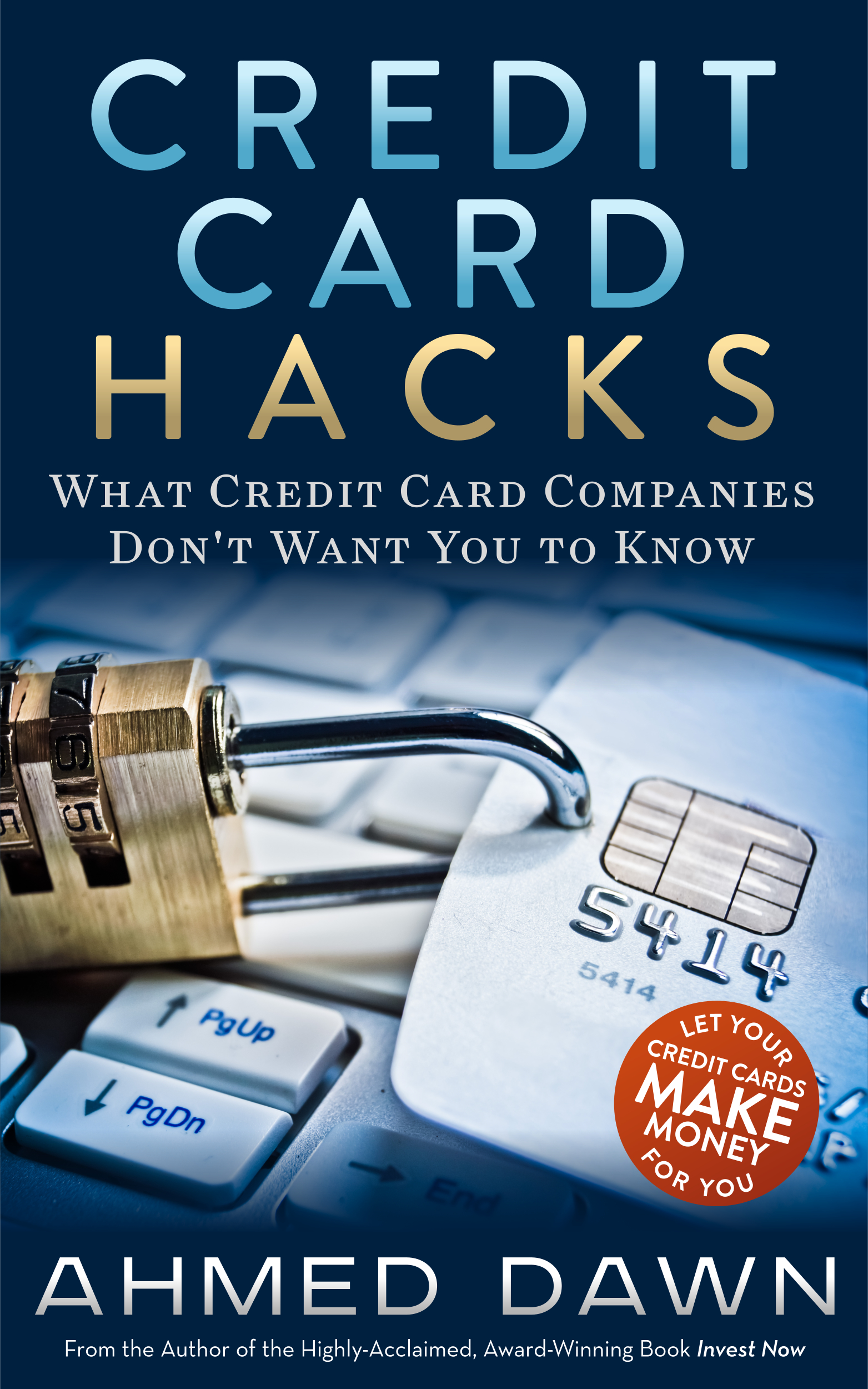
In my next book β€œCredit Card Hacks: What Credit Card Companies Don’t Want You to Know” I will discuss that and many other tips in detail. I am expecting to get this book out in 2016.

This Credit Card Payment Trick Saves You Money

Credit Card Interest Tip

First Published Date: February 28, 2016
all know it’s in our best interest to pay off credit card balances each month so you don’t get hit by the high interest credit card companies charge you. However, it may not possible for some of us to pay off balances in full. Today, I will like to show you a simple trick that that will save you money if you carry balances.

Credit card companies mainly use two methods to calculate interest. These are average daily balance method and daily balance method. As it sounds, average daily balance is the average of your daily balance for the full billing period. This average is multiplied by the daily interest rate and then multiplied again by the number of days in the billing period.

The daily balance method is much simpler than the average daily balance method, although both methods generate same the interest charge. The daily balance method looks at your interest charge daily for the billing period and adds each day’s interest to get your interest for the month.

So if you look at these methods carefully, you will realize that by paying several times (instead of paying once) on your bill every month when you carry balances, you will save money on interest charges, as paying several times will bring down your daily balances and averages several times for the billing period. Any partial payment will have the effect of lowering the interest you pay.

For example, if you are paying $200 towards your balances once a month, paying $50 in 4 weeks or several times throughout the month will generate less interest. On small balances, this trick may not trigger significant savings, but the savings will be noticeable on higher balances.

Keep in mind that if you are paying balances in full, you don’t need this trick, as you are not paying interest anyways. If you would like to find out more on how your credit card charges interest, read here.

Don't Book That Trip With Your Travel Rewards Credit Card Yet

Trip Cancellation Insurance Is Important

First Published Date: March 6, 2016

Before booking your next trip, make sure your travel rewards credit cards offer a very important insurance called Trip Cancellation Insurance. Many rewards travel credit cards do not offer this important insurance, although you will find mega sites like MoneySense or Rewards Canada are recommending these cards as the best travel credit cards and misleading consumers.

Trip Cancellation Insurance reimburses you in case a trip has to be cancelled due to covered causes like illness, death, and much more. You should not go on a trip without this insurance, as it will be a lifesaver in case you have to cancel your trip.

However, if you follow MoneySense or Rewards Canada blindly and book your trip with their number one recommended travel cards WestJet RBC World Elite MasterCard (MoneySense 2015) and American Express Gold (Rewards Canada 2016) and you need to cancel your trip due to illness, you will get burned heavily before your sun-filled trip to the Caribbean even begins because these β€œnumber one” cards do not come with trip cancellation insurance.

The methods these sites are using to rank the best travel credit cards are questionable and they do not have the consumer’s best interest at heart, as they are withholding vital pieces of information that you need to know before picking the best travel credit cards for you. For example, you will not find mentioned anywhere that those best travel credit cards are missing trip cancellation insurance. I wrote more about this in these articles:

Before picking any rewards credit cards, always do your research and look for independent web sites such as A Dawn Journal that are not affiliated with or compensated by credit card companies.

Canada Gets New Credit Card Rules

Understanding the New Credit Card Laws

First Published Date: Oct 17, 2010

In an effort to make it easier for customers to pay back their credit cards and not fall behind to the point where they are swimming in debt. These rules actually came in effect on Sept. 1, but many residents of Canada do not know about them. To help educate people on the new rules, here is a brief rundown of what you need to know.

1.    There is a minimum grace period now of 21 days that are interest free on all new credit card purchases when a customer pays the outstanding balance completely.

2.    When a customer pays the minimum payment in excess, meaning they pay more than the minimum payment, the credit card company must allocate the excess so that it is put on the balance with the higher interest rate first, and then distributed proportionally to all other types of balance such as cash advances.

3.    Credit card issuers must inform consumers of their monthly statement and how long it will take to fully repay the balance if only the minimum payment is paid. This gives you a better understanding of how much time it is going to take for you to pay it off if you make no purchases on it.

4.    Another rule is that there must be a complete disclosure of interest-rate increases prior to those rates taking effect at all.

The biggest problem with these rules is that the Canadian public has not been educated on them, so many do not even know that they exist. The main reason is the government has not worked hard enough to publicize the rules, which means that many credit card companies can break the rules illegally, and consumers will not even know that their rights are being stepped on. It is very important that consumers learn these rules and pay attention to their credit cards so they can know whether or not they are being cheated out of the regulations put in effect to help them.

There was a voluntary code in place that would help to stop merchants from paying higher and higher costs from credit card companies but the problem was that credit card companies chose not to comply with it. As a result, those temporary rules became permanent and credit card companies are now forced to follow them, including allow merchants to cancel contracts without a penalty.

Credit card debt can literally sink a household and make it impossible for the house to pay their bills and survive day to day on what they have left. As a result, Canada is making it much easier for consumers to pay their credit card bills by ensuring that there are rules in place to protect the consumer. However, it is up to you as the consumer to know the rules and to make sure that the credit card companies are following them when they are dealing with you. It is your right as a Canadian citizen, so do not let credit card companies off the hook.