Maldives Complete Travel Guide: A To Z

MALDIVES TRAVEL GUIDE: EVERYTHING YOU NEED TO KNOW

The Maldives is fundamentally different from any other travel destination on Earth. It is not just a collection of islands; it is a nation of 1,192 coral islands grouped into 26 natural atolls. Every single island in the country is a coral island, meaning you are literally walking on the skeletons of ancient reefs.

THE ISLAND BREAKDOWN

To plan correctly, you must understand how these 1,200 islands are divided:

Inhabited Islands (Local): Approximately 200 islands are home to the local Maldivian population. These are where you find guesthouses, local schools, and a glimpse into the culture.

Resort Islands (Private): Roughly 160+ islands follow the "One Island, One Resort" concept. Each is a self-contained private world owned by a single hotel brand.

Uninhabited Islands: The remaining 800+ islands are either used for agriculture, industrial purposes, or left completely untouched—perfect for "picnic island" excursions.

WHY THE GEOGRAPHY MATTERS

Coral Foundation: Unlike volcanic islands (like Hawaii) or continental islands (like the Seychelles), the Maldives is built entirely on coral. This means the sand is made of calcium carbonate; it is incredibly white and, uniquely, it stays cool even under the hottest midday sun.

The Flatness: This is the lowest-lying country on the planet. The average ground level is just 1.5 meters above sea level. This lack of elevation is why there are no rivers, lakes, or mountains—only endless turquoise horizons.

The Barrier Reefs: Every island is protected by a natural barrier reef that breaks the ocean waves, creating the calm, shallow lagoons the Maldives is famous for.

THE PLANNING & LOGISTICS MANUAL

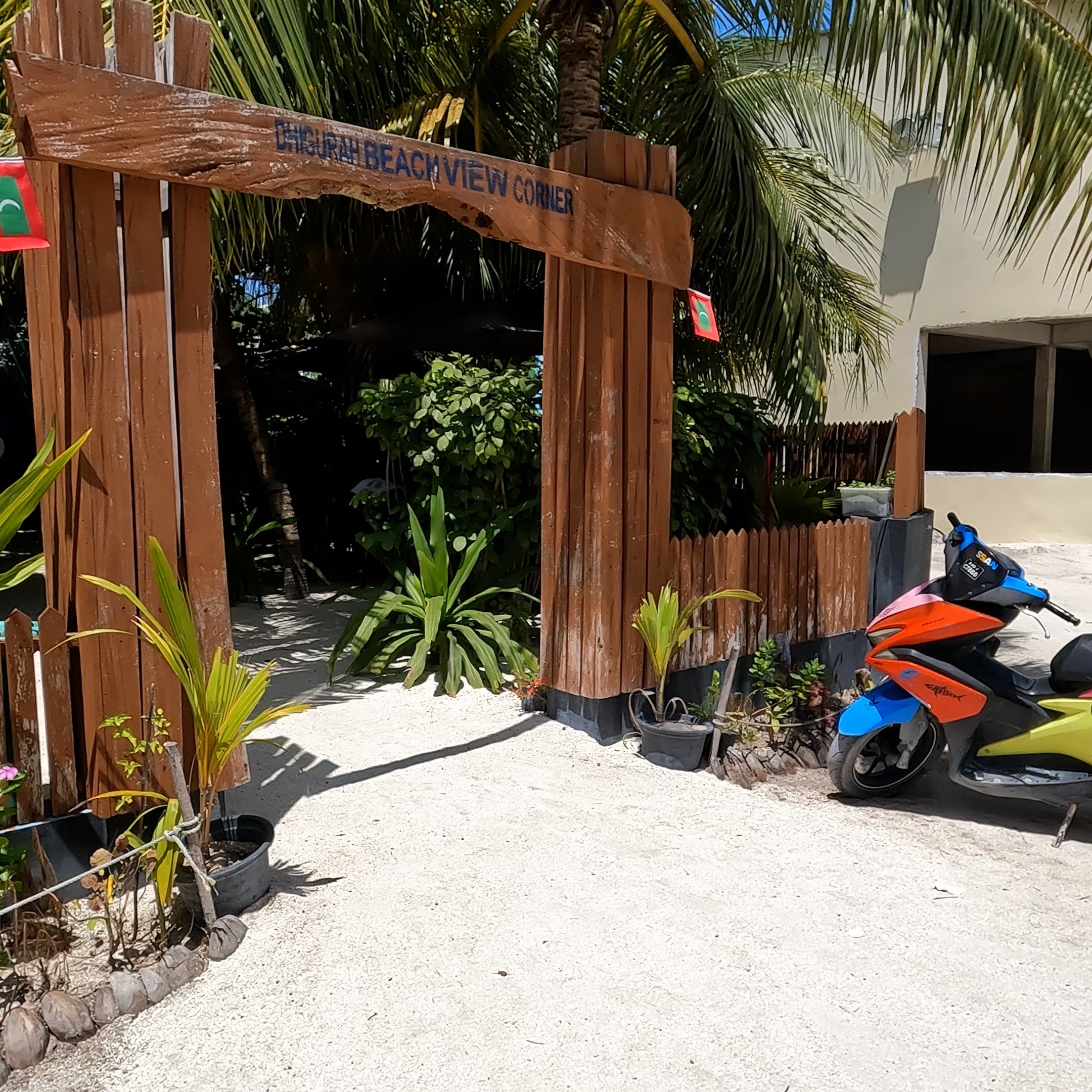
The Maldives looks like a paradise, but it can be a logistical nightmare if you don’t know how to plan. Most people spend thousands more than they need to because of hidden taxes and transport traps. I’ve spent weeks on local islands like Dhigurah and Maafushi and stayed at world-class resorts. This is the A to Z manual on the costs and strategy you need for a perfect trip.

The Flight Strategy

I don’t want to spend too much time talking about flights, but here is a helpful tip for planning your route.

Connecting Hubs: Cities like Bangkok, Kuala Lumpur, Dubai, and Singapore work as excellent connecting hubs for Malé.

Stopover Hack: You can stop over and spend a day or two in these cities if you want to stretch your experience and see another destination on the same trip.

Alternative Hubs: Colombo is also a good connecting city, but it is typically further away than the other major hubs listed above.

ARRIVAL & THE "FRIDAY" TRAP

The Visa: Free 30-day visa on arrival. Just ensure your passport is valid for 6 months.

IMUGA: Mandatory. Submit your digital declaration within 96 hours of landing. Keep the QR code on your phone.

The Friday Warning: The Maldives is an Islamic nation. On Fridays, the country shuts down. Public ferries do not run, and many speedboat schedules are cut in half. If you land on a Friday, you might be stuck in Malé for 24 hours. Plan around this.

CUSTOMS & BANNED ITEMS

Prohibited Items: This is a dry country. Do not bring alcohol from Duty-Free; they scan every bag and they will seize it. Import of pornography, sex toys, vapes, idols of worship, or non-Islamic religious materials is strictly prohibited.

No Dogs Allowed: Dogs are strictly prohibited from being imported into the Maldives by tourists. Do not attempt to bring any pets other than cats, which require a specific health permit and prior approval.

THE TRANSFER HUB STRATEGY

The Transit Hack: Instead of a long same-day transfer, stay on islands just 10 minutes from the airport, like Hulhumalé. It’s a cheap taxi or ferry away and lets you see more local life.

Maafushi: If you want an easy-to-reach local hub that is a gateway for excursions, I highly recommend starting in Maafushi.

The Daylight Rule: Seaplanes only fly when the sun is up. If you land after 4:00 PM, you’ll be stuck in Malé/Hulhumalé for the night anyway. Always book a morning arrival.

TRANSFER COST OPTIMIZATION

To save money, choose your private resort based on proximity to Malé.

Speedboat: Reachable for $150–$300 roundtrip.

The Seaplane Trap: Remote resorts require seaplanes costing $500–$900 per person.

The Reality Check: A seaplane transfer can cost more than your international flight. Unless you have a massive budget, filter your resort search for "Speedboat Transfer" only.

THE SPEEDBOAT REALITY CHECK

While speedboats are the most common transfer method, they aren't always a "relaxing cruise."

The "Roller Coaster" Effect: In open water, speedboats can be incredibly bumpy, rough, and loud. The boat literally jumps over waves.

Motion Sickness: This is a major issue for kids and those prone to sea sickness. If the weather is even slightly choppy, expect a very "rolling" ride.

Stay Close to Malé: Choose a resort or local island within a 15–20 minute radius of the airport (like Hulhumalé, Maafushi, or Sheraton Full Moon). Shorter rides mean less time in the "washing machine."

Choose a Seaplane: For islands further out, a seaplane is significantly smoother and provides a "flight" experience rather than a "bumpy boat" experience.

The Middle Seat Hack: If you must take a long speedboat ride, sit in the back or middle of the boat. The front (bow) hits the waves the hardest and has the most vertical movement.

THE SPLIT-STAY SEQUENCE

Don’t choose between a resort and a local island—do both. But the order is critical.

Start Local: Spend your first week on a local island. Do all tours and diving here for a fraction of the cost. A standard snorkeling trip on a local island is around $50+, whereas the same trip at a nearby resort often starts at $150+.

NB: Dhigurah is widely considered the best place in the world to do whale shark tours. Many guesthouses here offer dinner included, which is a great way to save on your daily budget.

Finish Luxury: For the final 2 to 4 nights, move to a private luxury resort.

Why? If you move from a resort to a guesthouse, it feels like a downgrade. Ending at the resort ensures you finish your trip on a "peak" of relaxation.

RESORT DAY PASSES (THE ULTIMATE FLEX)

If you can’t afford $1,000/night for a resort, stay on Maafushi or Hulhumalé and buy a Day Pass.

The Cost: Usually $120–$180 per person.

The Value: This includes your boat transfer, pool access, private beach, and often a buffet lunch with open-bar drinks. You get the luxury experience for 1/10th of the price.

THE MEAL PLAN MATH

The Trap: Ordering a-la-carte can cost $100+ per person, per meal at resorts.

The Reality: At the Sheraton Full Moon, we had a three-meal package and it was way too much food. The breakfast is so massive you’ll struggle to eat lunch.

The Hack: Book the Half-Board plan (Breakfast + 1 Meal). You eat a huge breakfast, skip lunch, and have a great dinner.

The Saving: You’ll pay about $45 per meal instead of $100. Always book a package; never pay per meal.

MONEY, SIMS & RULES

The Price Trap: Always check the final price. Resorts show a base rate, but with the 17% Tourism GST (new for 2026), 10% service charge, and $12/night Green Tax, your bill will double.

Connectivity: Get an eSIM before arriving or pick up a local SIM at the airport. You need data to track boat transfers.

Currency: We used both USD and Maldivian Rufiyaa. Don’t convert all your cash at the airport. I got the best exchange rates directly from my local island guesthouse.

ATM Fees : Local island ATMs (Bank of Maldives) charge a flat fee of 100 MVR (approx. $6.50 USD) for every foreign card withdrawal. This is on top of whatever your home bank charges.

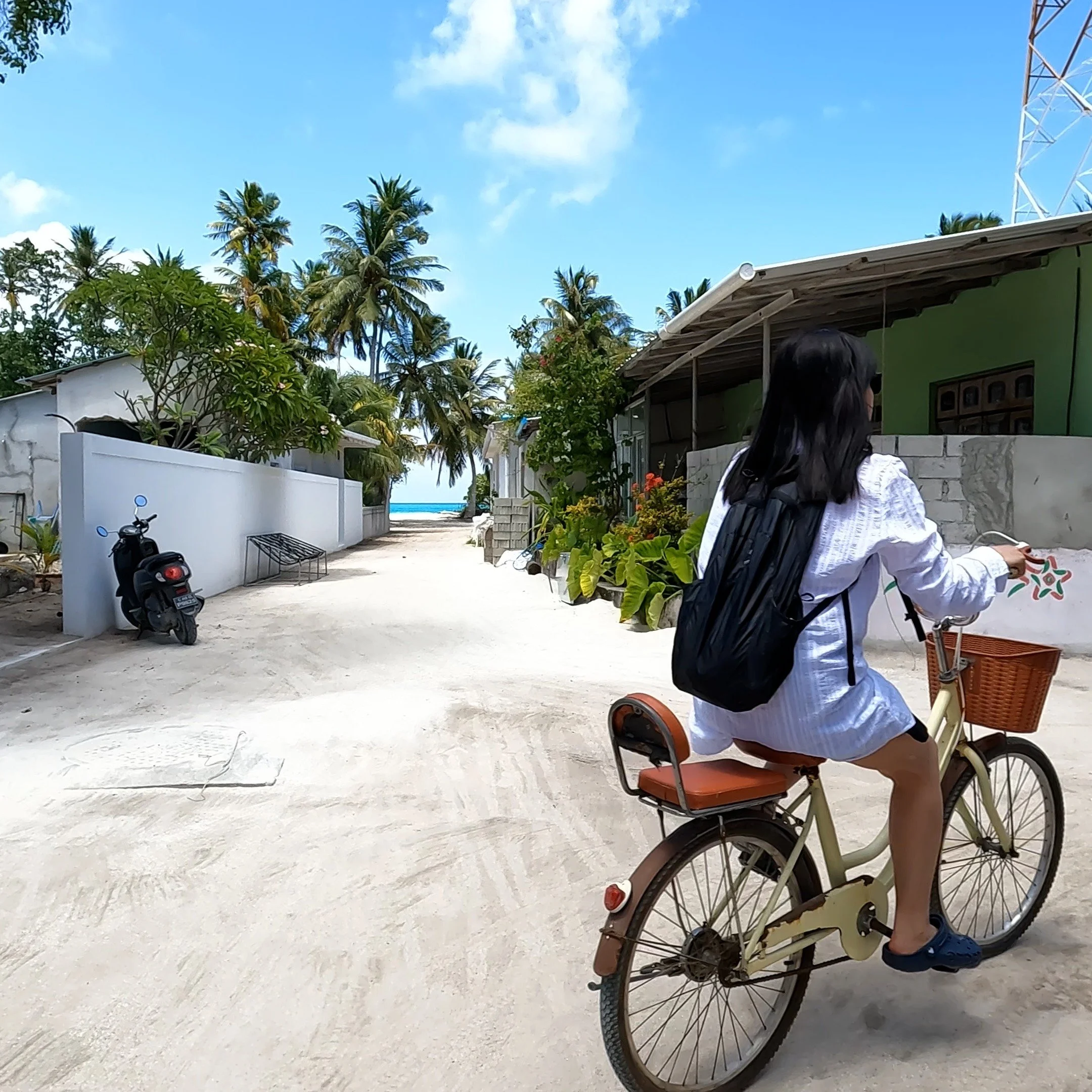
Bicycles: Renting a bike on a local island is $5/day. At a private resort, that same bike can be $80.

Respect: Bikinis are for "Bikini Beaches" or resorts only. In villages, keep shoulders and knees covered.

Alcohol Loophole: Local islands are dry, but hubs like Maafushi, Ukulhas, and Dhiffushi have floating bar boats offshore. A free shuttle boat takes you there for a drink.

THE RAINY SEASON STRATEGY

Don’t fear the "Wet Season" (May–Nov). The weather is stable (26–33°C). Rain usually comes in short, 10-minute bursts.

The Benefit: Luxury prices plummet and beaches are empty. I’ve gone 10 days in the rainy season with almost no rain at all.

EXPERT HACKS

Drone Usage: Drones are generally welcome on local islands with permission. However, private resorts are almost always "No-Fly Zones" to protect guest privacy; they rarely approve drone requests.

Power & Electricity: The Maldives primarily uses Type G (UK-style) sockets. Local guesthouses rarely have universal outlets, so carry a travel adapter.

Tipping Etiquette: A 10% service charge is automatically added to almost every bill. Extra tipping is optional, but a small cash tip ($5–$20) for boat crews or villa hosts is highly appreciated for great service.

Alcohol Loophole: Local islands are strictly dry, but popular hubs often have "floating bar" boats anchored offshore that serve alcohol legally and provide free shuttle transfers.

THE PACKING LIST ESSENTIALS

Reef-Safe Sunscreen: Use mineral-based (Zinc Oxide) sunscreen. It is better for the fragile coral ecosystem and stays on more effectively during long snorkeling sessions.

Breathable Clothing: Pack moisture-wicking and breathable fabrics. These are far better for high humidity than heavy cotton, which stays wet and uncomfortable.

Motion Sickness Meds: Open-water speedboat crossings can be incredibly bumpy. Have Dramamine or ginger tablets ready for these "roller coaster" rides.

Cash (USD): Local shops prefer crisp, un-torn US Dollar bills (post-2013 series) or local Rufiyaa. Larger resorts will accept credit cards.

Modest Clothing: On local islands and in villages, you must keep your shoulders and knees covered. A lightweight shirt or sarong is ideal for these areas.

LAST WORD

The Maldives is effortless once you master the system. Check my playlist for deep dives into Dhigurah and the best affordable resorts. Drop your questions below. I’ll see you in the blue.


Maldives Travel Guide: What’s Missing in the Maldives

Maldives: Paradise: What This Island Nation Doesn’t Have

After finishing my trip in the Maldives, I was convinced that if paradise exists on earth, it has to be the Maldives. This made me think; even paradise isn’t 100% perfect, so what are some things the Maldives is missing? Unlike many tropical destinations, the Maldives is defined by absence as much as presence. I came up with some of the things the paradise that is the Maldives is missing. There are certainly other things worth mentioning, but in this article, I will stay focused on the few mentioned below. 

1. No Mountains - Step onto any island and you’ll notice immediately: there are no mountains rising in the distance. The Maldives is the world’s flattest country, with its highest natural point barely two meters above sea level. That means no hiking trails, no dramatic peaks, and no waterfalls tumbling down cliffs. The landscape is ocean‑dominated, not land‑dominated.

2. No Rivers or Lakes - You’ll also find no rivers or lakes. These coral atolls have no freshwater systems, so there are no winding rivers to kayak, no lakeside villages, and no inland wetlands. Fresh water comes from ocean desalination, underscoring how fragile life here can be in paradise.

3. No Caves or Cliffs - Look closer and you’ll see no caves or cliffs. The Maldives isn’t volcanic or mountainous, so there are no cavern systems to explore, no dramatic escarpments overlooking valleys. The islands simply melt into the ocean; their drama found in coral reefs rather than rugged terrain.

4. No Woldlife - On land, there is no large wildlife. You won’t encounter elephants, monkeys, or deer. The biodiversity is overwhelmingly marine—whale sharks, manta rays, and kaleidoscopic reef fish. The islands themselves host only small birds, crabs, and lizards.

5. No Malls or Big Cities - And for those seeking urban diversions, there are no malls or sprawling cities. Outside the capital of Malé, life is quiet and village‑like. Resorts dominate, and shopping is limited to small local markets. The Maldives is not a place for retail therapy or buzzing nightlife; it’s a place for stillness, ocean breezes, and sunsets.

This pattern of absence is what makes the Maldives unique. It is paradise stripped of mountains, rivers, caves, cliffs, and wildlife roaming the land. Instead, its drama lies entirely in the ocean—an endless horizon, a reef teeming with life, and a lifestyle shaped by water. The Maldives reminds us that sometimes paradise is not about having everything, but about having just enough.

5 Things We Used in the Maldives & 3 We Didn’t

Maldives Packing Hacks: What We Used & What Didn’t

Packing for the Maldives can be tricky—you want to be prepared without overpacking. After visiting 4 Maldives local islands and 1 resort islands, here are five things I actually used and three that stayed in my bag.

✅ 5 Things I Actually Used

  1. Full-Sleeve Sun Protection Shirt - The Maldivian sun is strong and this lightweight shirt kept me cool while protecting my skin during snorkeling and beach walks.

  2. Sunblock (High SPF) - An absolute must. Whether relaxing on the beach or on a boat trip, sunblock was essential every single day.

  3. Crocs Sandals - Comfortable, waterproof, and perfect for sandy beaches and rocky paths. On our boat tour, we left them on the dock in the open sun for 6 hours and still didn’t find any damage from overheating.

  4. Light Portable Foldable Backpack - Ideal for carrying essentials during day trips without feeling bulky.

  5. Mini Flashlight - Dhigurah’s roads were pitch black at night with no street lamps. This small flashlight was a lifesaver for evening walks.

❌ 3 Things I Didn't Use

  1. Mosquito Repellent - I packed 5 bottles expecting trouble, but mosquitoes were barely an issue. We only used one. The rest I gave to hotel employees on different islands.

  2. Extra Coffee & Brewing Gear - Every island had plenty of coffee shops and hotel rooms offered complimentary coffee. Our Tim Hortons coffee and filters stayed unused.

  3. Rain Jacket - The Maldives rain comes in short bursts and clears quickly. We carried our rain jackets everywhere but never needed them.

What I Would Do Differently Next Time

Packing smart for the Maldives means focusing on sun protection and practical essentials. Leave behind the "just in case” or excess items. Instead, bring what you'll truly use—like a good sunblock and even a mini flashlight for those quiet island nights. We would still carry our light foldable rain jacket next time but the rest of the items we didn’t use won’t make the cut. The Maldives is all about simplicity, so travel light and enjoy paradise.

12 Surprising Maldives Secrets Every Traveler Should Know

12 Maldives Facts You Didn’t Know

When you think of the Maldives, you probably imagine overwater villas, endless tuna dishes, and heavy rain during the monsoon season. But after spending two weeks exploring the local islands, I discovered that many common assumptions about the Maldives are completely wrong. Here are 12 surprising realities that will change how you plan your trip.

 1. Solo Female Travelers Are Safe and Thriving

Despite what some blogs and videos claim, the Maldives is generally safe for solo female travelers. I met many young women exploring the local islands without any issues. The community vibe and hospitality make it a welcoming destination.

 2. You Won’t Be Eating Tuna All Day

Yes, tuna is a staple in Maldivian cuisine, but don’t worry—you won’t be stuck eating it for every meal. Local cafés and guesthouses serve a variety of dishes, from flavorful curries to fried rice and even Western options. I barely ate tuna during my trip!

 3. Mosquito Myths Are Overblown

Before my trip, I stocked up on mosquito repellent, expecting swarms on the islands. In reality? There was hardly any mosquitoes. Sea breezes and clean surroundings keep them away, so don’t overpack repellents.

 4. Rainy Season Isn’t Really “Rainy”

I visited during the southwest monsoon (May–October), expecting constant rain. It rained only once in two weeks—and just for a short burst. Booking in the rainy season can save you a lot of money without sacrificing good weather.

 5. Most People Working Aren’t Maldivian

Here’s something few people know: the majority of workers in resorts and guesthouses are from Bangladesh, Nepal, and Sri Lanka. Stores, groceries, cafes, restaurants, construction, and everywhere else most of the people we met were from Bangladesh. We found local employees only on tours and diving.

 6. The Maldives Is the Flattest Country on Earth

With an average elevation of just 1.5 meters above sea level, the Maldives is the world’s lowest-lying nation. This unique geography creates stunning horizons but also makes the islands vulnerable to rising seas.

 7. Local Islands Offer Authentic Culture

Luxury resorts are beautiful, but the local islands give you a real taste of Maldivian life—family-run cafés, traditional dhoni boats, and cultural music like Bodu Beru drumming. Plus, staying on these local islands is far more affordable.

 8. Freshwater Comes from the Ocean

There are no rivers or lakes in the Maldives. Drinking water comes from desalination plants that convert seawater into fresh water—a fascinating sustainability practice you’ll notice everywhere.

 9. You Can’t Go Wrong with Any Island

Every single one of the Maldives’ 1,190 islands is a coral paradise with powdery white sand and turquoise waters. There’s truly nothing else like this in the world—there are no “bad” islands here. Whether you choose a resort or a local island, the beaches will blow your mind.

 10. You Can Save Big in Off-Peak Season

Traveling during the rainy season or staying on local islands can cut your costs by up to 50%. Combine that with fewer crowds and mostly sunny weather, and you’ve got a smart travel hack.

 11. Sharks, Manta Rays, and Whale Sharks Are Gentle Giants

The Maldives is one of the few places where you can swim alongside incredible marine life without fear. Reef sharks don’t eat humans, manta rays don’t bite, and even the humongous whale shark peacefully shares the water with snorkelers. It’s a once-in-a-lifetime experience—and found only in the Maldives.

 12. Everyone Speaks English

Another thing about the Maldives is that everyone speaks English – even the kids. Also, I was shocked to have a conversation with them finding out that they are fluent in English and do not have a thick accent that many other countries have where it’s difficult to understand.

 Final Thoughts

The Maldives isn’t just about luxury resorts and postcard-perfect beaches—it’s full of surprises that make it more accessible and enjoyable than most people think. Whether you’re a solo traveler, a budget explorer, or someone seeking authentic culture, these insights will help you plan a smarter, more rewarding trip.

Best Budget Island in Maldives - Local Island Dhigurah Travel Guide

Maldives Under $100/Day? Dhigurah Island Budget Travel
Dhigurah vs Maafushi vs Ukulhas | Which Maldives Island Is Best for You?

Forget the five-star, thousand-dollar-a-night resorts. This is Dhigurah—the best budget island in the Maldives, where you can swim with whale sharks, walk a massive sandbank, and enjoy the full experience for genuinely under $100 a day.

If you’ve looked into local islands, you’ve definitely seen Maafushi and Ukulhas. I've been to them all, and I'm telling you right now: Dhigurah is the undisputed winner. It delivers the best mix of world-class marine life, beautiful beaches, and true value for your trip.

You want the specific costs, so let’s get straight to the numbers. We’re starting with the full, detailed Budget Breakdown—your exact costs for accommodation, transport, and food—so you can start planning right now.

The Full Budget Breakdown

Let's start with the biggest expense: where to sleep. You can comfortably stay here in a clean, modern guesthouse for $60 to $90 per night. I personally stayed at Tides Dhigurah for around $100 per night.

Food is where Dhigurah differs. Because it has fewer local restaurant options, the food prices are slightly higher. You should expect a hearty dinner at a local café to run you $12 to $18—a bit higher than other islands. This is the crucial trade-off you make for the tranquility and the unique marine life experience.

Now, let's talk transport. The boat transfer to Dhigurah is the most expensive and time-consuming because it’s the furthest. A one-way speedboat costs about $80 US and takes nearly 2 hours. For comparison, Maafushi is just 25 minutes for $25, and Ukulhas is $50 for 1.5 hours. Yes, Dhigurah is pricier to reach, but you can opt for the local ferry if you have time, although service is limited and takes much longer.

So, what's the grand total? If you factor in the slightly higher transport and food costs, but only book one excursion, your all-in daily spend is genuinely around $100+ a day.

Must-Do Activities & Experiences

This is the main event: Whale Sharks. Dhigurah is famous for them because it borders the South Ari Atoll Marine Protected Area, giving you the highest concentration and the unrivaled chance in the world for year-round sightings. Here is the full cost of the Whale Shark Tour (around $50 to $80) and the best time of day to book it—always go for the half-day trip.

Dhigurah’s crown jewel is the massive sandbank at its tip. This sandbank is unparalleled among all local islands. It stretches into the ocean like a private runway of white sand. Go at low tide for the best photos and bring water—it's a long walk, but it’s worth it.

And yes, Dhigurah has an incredible Bikini Beach. It’s long, spotless, and separate from the local village, so you can relax comfortably. This island truly delivers the resort feel without the resort price tag.

The Comparison

The question everyone asks: Dhigurah vs Maafushi? Maafushi wins on transport cost and food price, but Dhigurah wins on unparalleled experience. You cannot find the massive, unparalleled sandbank or the highest concentration of whale sharks anywhere else in the budget islands. Dhigurah is a higher quality experience that justifies the extra travel cost.

Ukulhas is a good alternative, but its bikini beach is smaller, and it doesn't have the famous Dhigurah Sandbank. When you factor in the easy access to whale shark tours, Dhigurah just offers a stronger, more complete package for the budget traveler.

Essential Tips & Conclusion

Before you go, here are three tips that could save your trip and your wallet:

  1. The ATM Trick: There is only one reliable ATM here, located near the main ferry dock. Take out cash immediately upon arrival.

  2. Ferry Timing: The speed boat schedule changes often. Always confirm your return time directly with the operator 24 hours before you plan to leave.

  3. Local Eats: Lots of restaurants and cafes on the island. You wont miss any food.

Is Dhigurah the Best Budget Island in Maldives? For what it offers—whale sharks, an incredible sandbank, and low prices—absolutely. It's the clearest winner.