MALDIVES TRAVEL GUIDE: EVERYTHING YOU NEED TO KNOW
The Maldives is fundamentally different from any other travel destination on Earth. It is not just a collection of islands; it is a nation of 1,192 coral islands grouped into 26 natural atolls. Every single island in the country is a coral island, meaning you are literally walking on the skeletons of ancient reefs.
THE ISLAND BREAKDOWN
To plan correctly, you must understand how these 1,200 islands are divided:
Inhabited Islands (Local): Approximately 200 islands are home to the local Maldivian population. These are where you find guesthouses, local schools, and a glimpse into the culture.
Resort Islands (Private): Roughly 160+ islands follow the "One Island, One Resort" concept. Each is a self-contained private world owned by a single hotel brand.
Uninhabited Islands: The remaining 800+ islands are either used for agriculture, industrial purposes, or left completely untouched—perfect for "picnic island" excursions.
WHY THE GEOGRAPHY MATTERS
Coral Foundation: Unlike volcanic islands (like Hawaii) or continental islands (like the Seychelles), the Maldives is built entirely on coral. This means the sand is made of calcium carbonate; it is incredibly white and, uniquely, it stays cool even under the hottest midday sun.
The Flatness: This is the lowest-lying country on the planet. The average ground level is just 1.5 meters above sea level. This lack of elevation is why there are no rivers, lakes, or mountains—only endless turquoise horizons.
The Barrier Reefs: Every island is protected by a natural barrier reef that breaks the ocean waves, creating the calm, shallow lagoons the Maldives is famous for.
THE PLANNING & LOGISTICS MANUAL
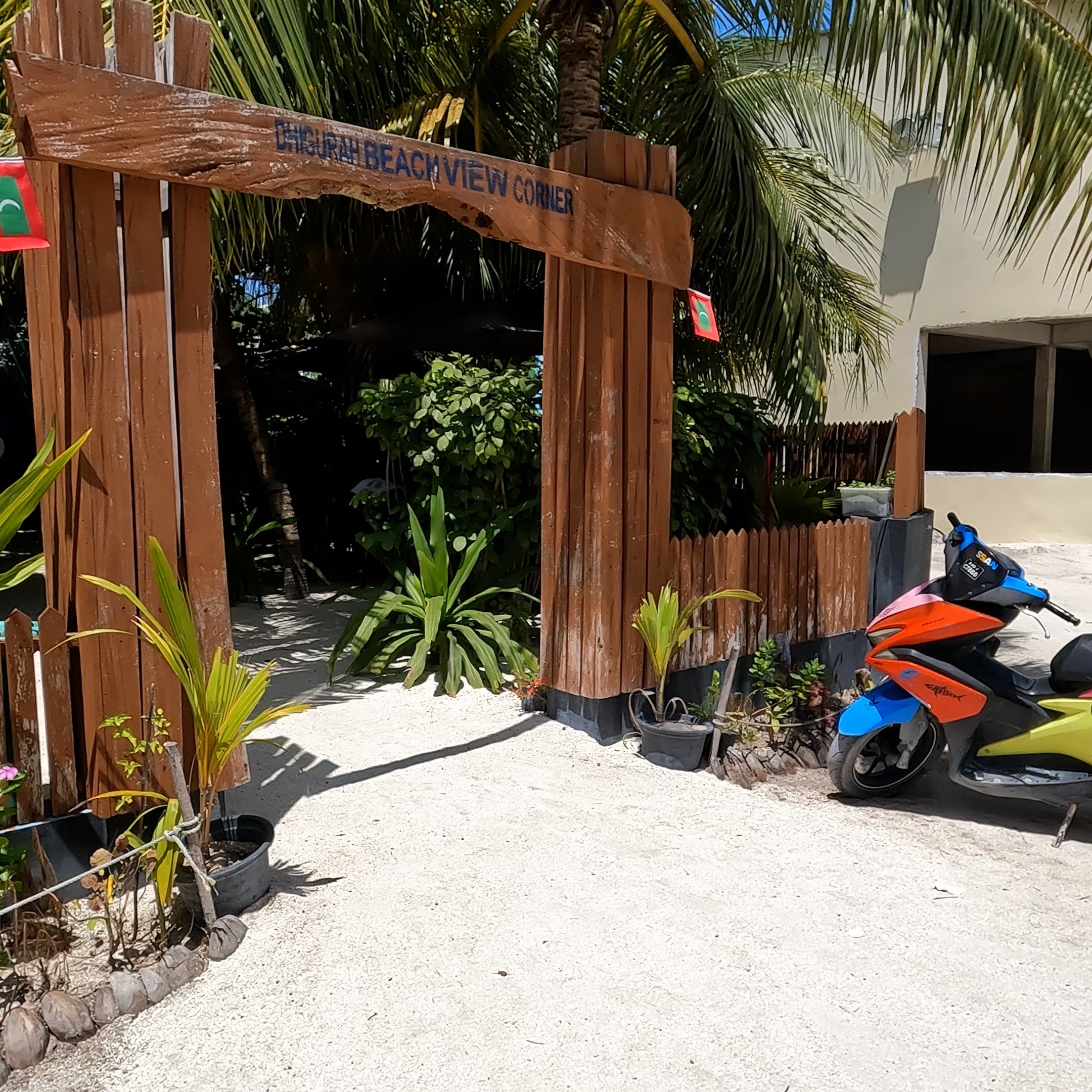
The Maldives looks like a paradise, but it can be a logistical nightmare if you don’t know how to plan. Most people spend thousands more than they need to because of hidden taxes and transport traps. I’ve spent weeks on local islands like Dhigurah and Maafushi and stayed at world-class resorts. This is the A to Z manual on the costs and strategy you need for a perfect trip.
The Flight Strategy
I don’t want to spend too much time talking about flights, but here is a helpful tip for planning your route.
Connecting Hubs: Cities like Bangkok, Kuala Lumpur, Dubai, and Singapore work as excellent connecting hubs for Malé.
Stopover Hack: You can stop over and spend a day or two in these cities if you want to stretch your experience and see another destination on the same trip.
Alternative Hubs: Colombo is also a good connecting city, but it is typically further away than the other major hubs listed above.
ARRIVAL & THE "FRIDAY" TRAP
The Visa: Free 30-day visa on arrival. Just ensure your passport is valid for 6 months.
IMUGA: Mandatory. Submit your digital declaration within 96 hours of landing. Keep the QR code on your phone.
The Friday Warning: The Maldives is an Islamic nation. On Fridays, the country shuts down. Public ferries do not run, and many speedboat schedules are cut in half. If you land on a Friday, you might be stuck in Malé for 24 hours. Plan around this.
CUSTOMS & BANNED ITEMS
Prohibited Items: This is a dry country. Do not bring alcohol from Duty-Free; they scan every bag and they will seize it. Import of pornography, sex toys, vapes, idols of worship, or non-Islamic religious materials is strictly prohibited.
No Dogs Allowed: Dogs are strictly prohibited from being imported into the Maldives by tourists. Do not attempt to bring any pets other than cats, which require a specific health permit and prior approval.
THE TRANSFER HUB STRATEGY
The Transit Hack: Instead of a long same-day transfer, stay on islands just 10 minutes from the airport, like Hulhumalé. It’s a cheap taxi or ferry away and lets you see more local life.
Maafushi: If you want an easy-to-reach local hub that is a gateway for excursions, I highly recommend starting in Maafushi.
The Daylight Rule: Seaplanes only fly when the sun is up. If you land after 4:00 PM, you’ll be stuck in Malé/Hulhumalé for the night anyway. Always book a morning arrival.
TRANSFER COST OPTIMIZATION
To save money, choose your private resort based on proximity to Malé.
Speedboat: Reachable for $150–$300 roundtrip.
The Seaplane Trap: Remote resorts require seaplanes costing $500–$900 per person.
The Reality Check: A seaplane transfer can cost more than your international flight. Unless you have a massive budget, filter your resort search for "Speedboat Transfer" only.
THE SPEEDBOAT REALITY CHECK
While speedboats are the most common transfer method, they aren't always a "relaxing cruise."
The "Roller Coaster" Effect: In open water, speedboats can be incredibly bumpy, rough, and loud. The boat literally jumps over waves.
Motion Sickness: This is a major issue for kids and those prone to sea sickness. If the weather is even slightly choppy, expect a very "rolling" ride.
Stay Close to Malé: Choose a resort or local island within a 15–20 minute radius of the airport (like Hulhumalé, Maafushi, or Sheraton Full Moon). Shorter rides mean less time in the "washing machine."
Choose a Seaplane: For islands further out, a seaplane is significantly smoother and provides a "flight" experience rather than a "bumpy boat" experience.
The Middle Seat Hack: If you must take a long speedboat ride, sit in the back or middle of the boat. The front (bow) hits the waves the hardest and has the most vertical movement.
THE SPLIT-STAY SEQUENCE
Don’t choose between a resort and a local island—do both. But the order is critical.
Start Local: Spend your first week on a local island. Do all tours and diving here for a fraction of the cost. A standard snorkeling trip on a local island is around $50+, whereas the same trip at a nearby resort often starts at $150+.
NB: Dhigurah is widely considered the best place in the world to do whale shark tours. Many guesthouses here offer dinner included, which is a great way to save on your daily budget.
Finish Luxury: For the final 2 to 4 nights, move to a private luxury resort.
Why? If you move from a resort to a guesthouse, it feels like a downgrade. Ending at the resort ensures you finish your trip on a "peak" of relaxation.
RESORT DAY PASSES (THE ULTIMATE FLEX)
If you can’t afford $1,000/night for a resort, stay on Maafushi or Hulhumalé and buy a Day Pass.
The Cost: Usually $120–$180 per person.
The Value: This includes your boat transfer, pool access, private beach, and often a buffet lunch with open-bar drinks. You get the luxury experience for 1/10th of the price.
THE MEAL PLAN MATH
The Trap: Ordering a-la-carte can cost $100+ per person, per meal at resorts.
The Reality: At the Sheraton Full Moon, we had a three-meal package and it was way too much food. The breakfast is so massive you’ll struggle to eat lunch.
The Hack: Book the Half-Board plan (Breakfast + 1 Meal). You eat a huge breakfast, skip lunch, and have a great dinner.
The Saving: You’ll pay about $45 per meal instead of $100. Always book a package; never pay per meal.
MONEY, SIMS & RULES
The Price Trap: Always check the final price. Resorts show a base rate, but with the 17% Tourism GST (new for 2026), 10% service charge, and $12/night Green Tax, your bill will double.
Connectivity: Get an eSIM before arriving or pick up a local SIM at the airport. You need data to track boat transfers.
Currency: We used both USD and Maldivian Rufiyaa. Don’t convert all your cash at the airport. I got the best exchange rates directly from my local island guesthouse.
ATM Fees : Local island ATMs (Bank of Maldives) charge a flat fee of 100 MVR (approx. $6.50 USD) for every foreign card withdrawal. This is on top of whatever your home bank charges.
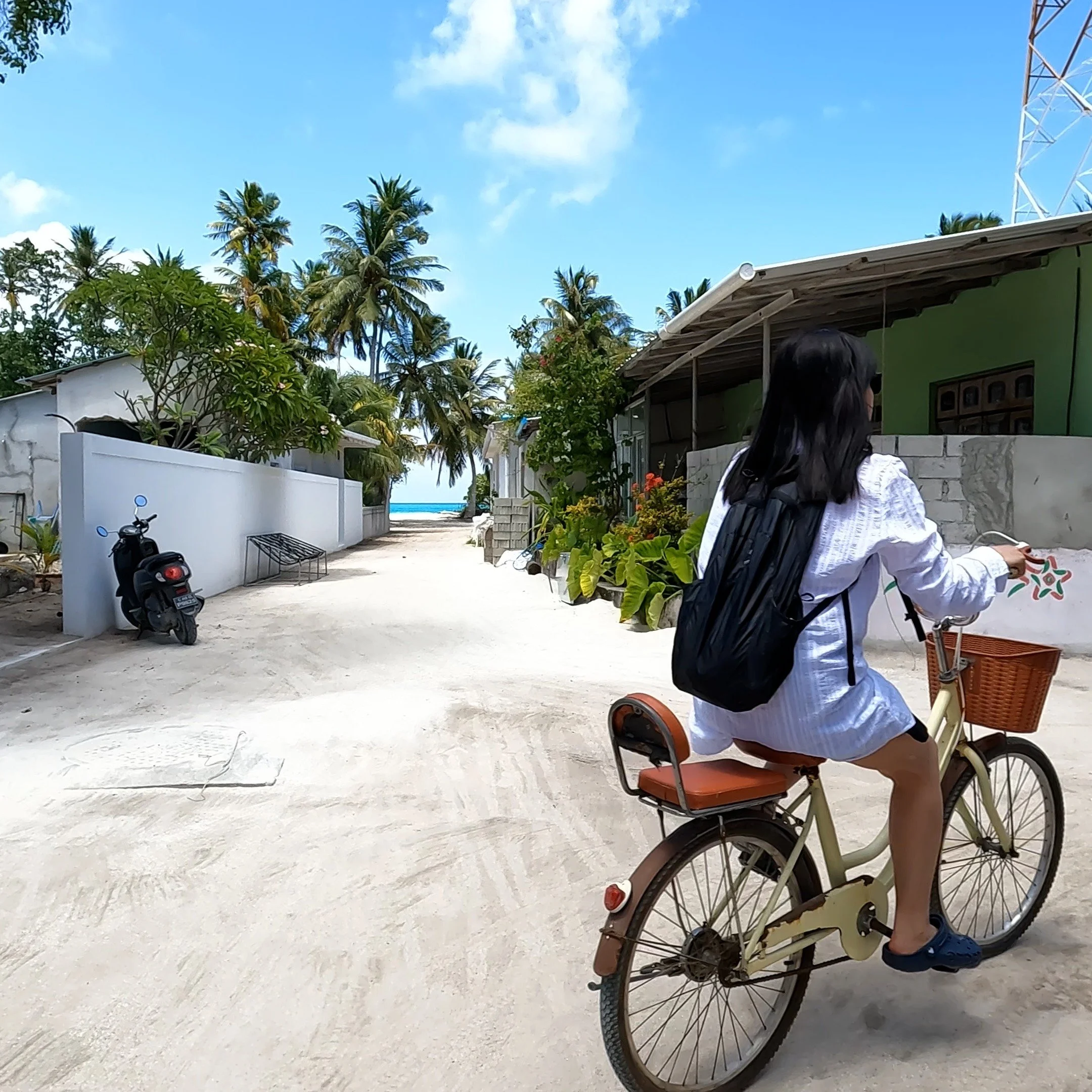
Bicycles: Renting a bike on a local island is $5/day. At a private resort, that same bike can be $80.
Respect: Bikinis are for "Bikini Beaches" or resorts only. In villages, keep shoulders and knees covered.
Alcohol Loophole: Local islands are dry, but hubs like Maafushi, Ukulhas, and Dhiffushi have floating bar boats offshore. A free shuttle boat takes you there for a drink.
THE RAINY SEASON STRATEGY
Don’t fear the "Wet Season" (May–Nov). The weather is stable (26–33°C). Rain usually comes in short, 10-minute bursts.
The Benefit: Luxury prices plummet and beaches are empty. I’ve gone 10 days in the rainy season with almost no rain at all.
EXPERT HACKS
Drone Usage: Drones are generally welcome on local islands with permission. However, private resorts are almost always "No-Fly Zones" to protect guest privacy; they rarely approve drone requests.
Power & Electricity: The Maldives primarily uses Type G (UK-style) sockets. Local guesthouses rarely have universal outlets, so carry a travel adapter.
Tipping Etiquette: A 10% service charge is automatically added to almost every bill. Extra tipping is optional, but a small cash tip ($5–$20) for boat crews or villa hosts is highly appreciated for great service.
Alcohol Loophole: Local islands are strictly dry, but popular hubs often have "floating bar" boats anchored offshore that serve alcohol legally and provide free shuttle transfers.
THE PACKING LIST ESSENTIALS
Reef-Safe Sunscreen: Use mineral-based (Zinc Oxide) sunscreen. It is better for the fragile coral ecosystem and stays on more effectively during long snorkeling sessions.
Breathable Clothing: Pack moisture-wicking and breathable fabrics. These are far better for high humidity than heavy cotton, which stays wet and uncomfortable.
Motion Sickness Meds: Open-water speedboat crossings can be incredibly bumpy. Have Dramamine or ginger tablets ready for these "roller coaster" rides.
Cash (USD): Local shops prefer crisp, un-torn US Dollar bills (post-2013 series) or local Rufiyaa. Larger resorts will accept credit cards.
Modest Clothing: On local islands and in villages, you must keep your shoulders and knees covered. A lightweight shirt or sarong is ideal for these areas.
LAST WORD
The Maldives is effortless once you master the system. Check my playlist for deep dives into Dhigurah and the best affordable resorts. Drop your questions below. I’ll see you in the blue.