The Oasis Hotel Review | Egypt Travel Blog: Day 0 (Part 3)

At The Oasis Hotel, Alexandria Desert Road, Giza, Cairo, Egypt

Egypt Travel Blog: 10 DAYS Egypt Explorer - Felucca Cruise & Red Sea

Upon arriving at the hotel, the driver handed me to another tour guide who was to brief me about my 10-day tour in Egypt and a few other things I needed to know about travelling in Egypt.

The first thing I noticed was the high-security protocol the hotel has in place. Every vehicle has to go through bomb-squad police dogs when entering the hotel boundary. The dogs inspect and sniff the full vehicle before visitors are allowed to go through the main gate. Later, I noticed that those dogs work in  shifts and there are different dogs working throughout a 24-hour period.

Visitors and their luggage then have to go through scanning machines when entering the hotel lobby. My guess was that these security measures were placed by the government to safeguard tourists.

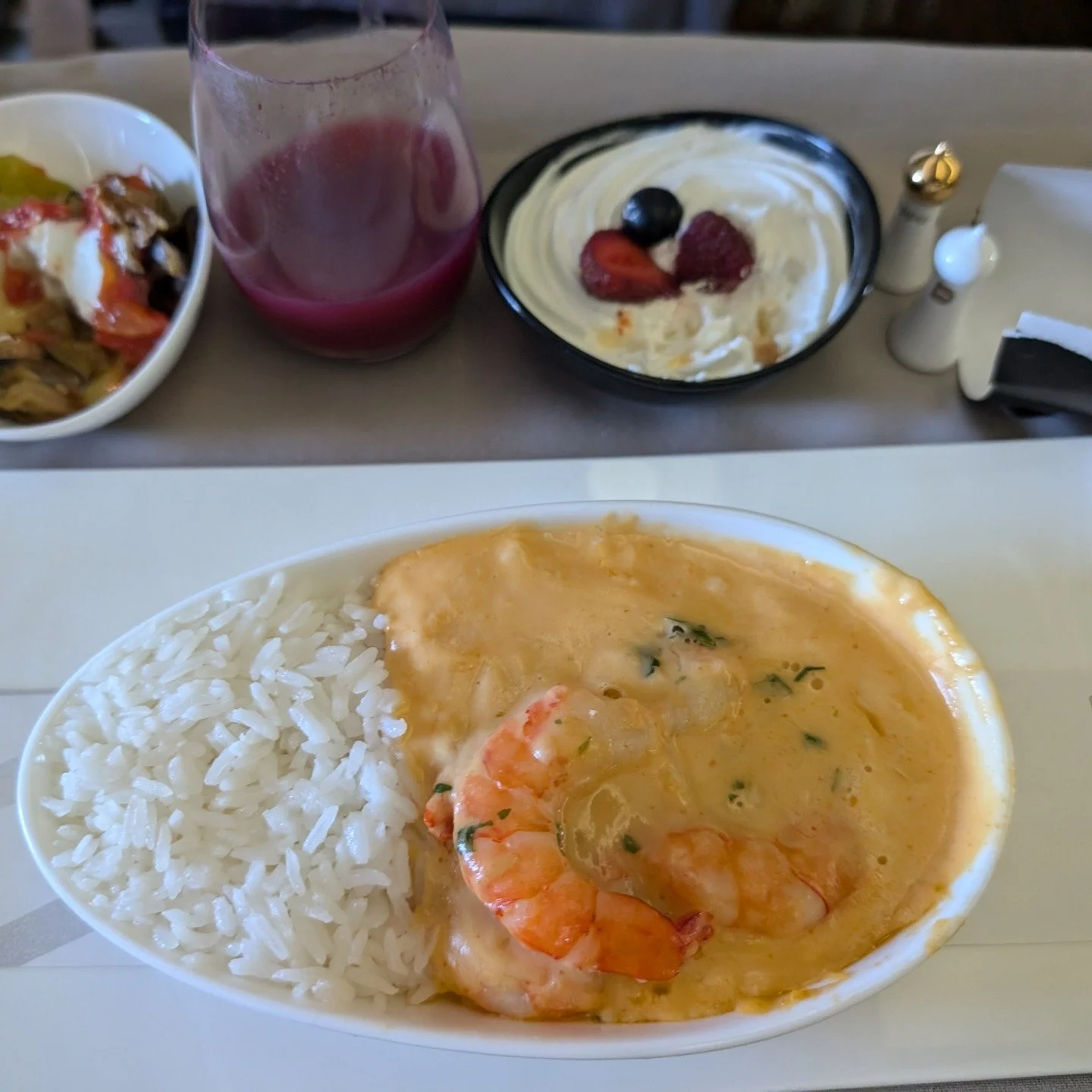
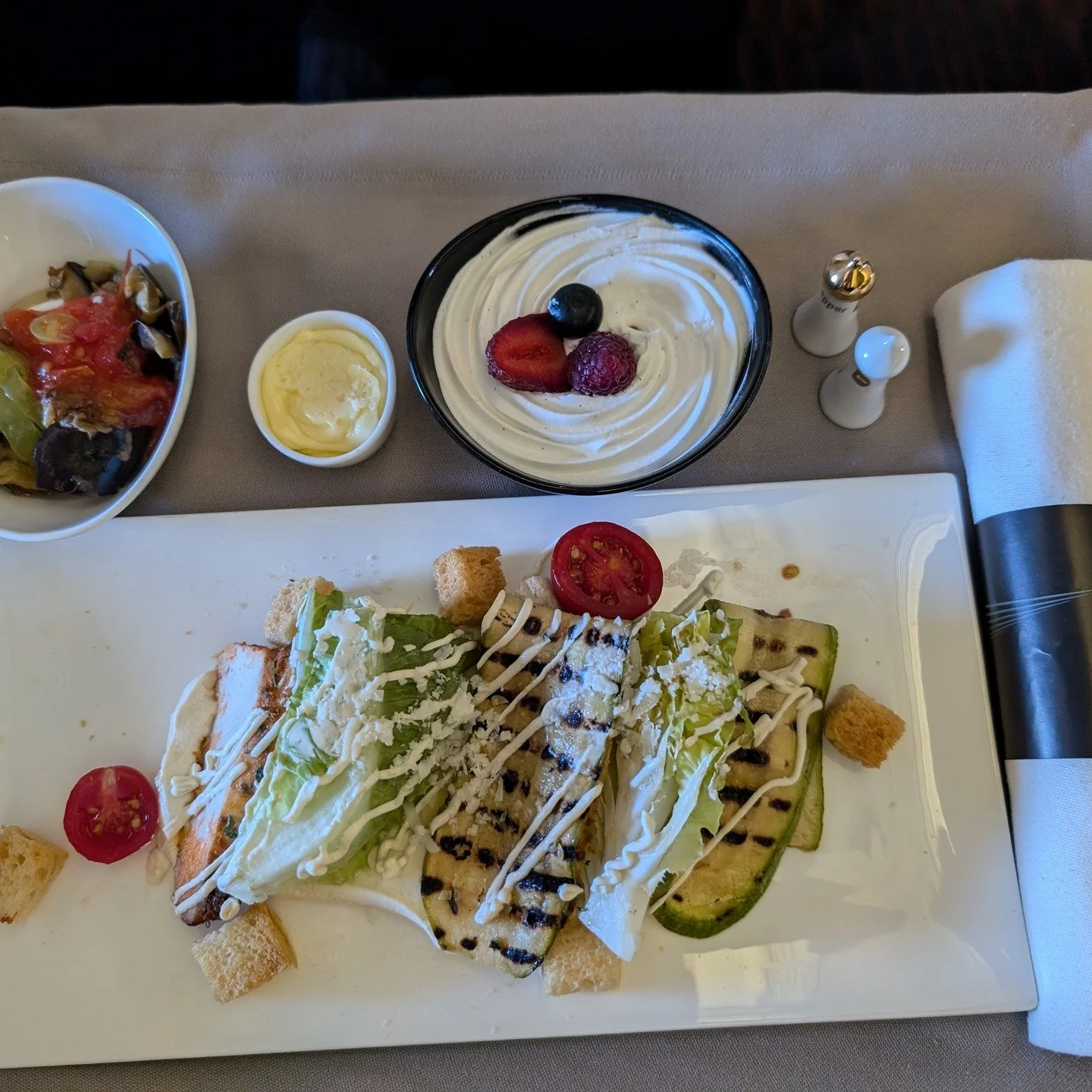
The resort-style hotel sits on 9 acres of landscaped garden full of palm trees and other elements. The location is in Giza, far from the city centre, in the middle of nowhere. You cannot walk anywhere to eat or buy anything, so guests are forced to pay overpriced and often poor-quality foods from hotel restaurants.

The hotel felt like a relic from the ‘80s. It seemed like The Oasis Hotel caters to various tour groups and most of the guests are from tour companies. The tour guides even permanently live and eat at the hotel.

I had the opportunity to experience three different types of rooms. I reached the hotel around 9-10 in the morning and my room was pretty bad: far from the lobby and doing anything involved a lot of walking. Also, I noticed that there was a door connecting my room to the next door, but there was no way to lock it. Needless to say, I requested a better room close to the main lobby. I also felt a little unsafe to spend my first night far away from the lobby, although the hotel had tight security in and out.

The room they switched me to was not bad and much better than the first one. However, at the end of my trip, the room they gave me for my last night was far superior.

The facility had no free Wi-Fi. The only place to get free Wi-Fi was by the pool and the connection was so poor that it would take half an hour to send an email. Later I heard from those who paid to for Internet access that even the paid Wi-Fi was terrible and a waste of money.

I saw lots of cats all over and took pictures. They don’t come too close, but came close enough for some good pictures.

Overall, The Oasis Hotel is not an upscale luxurious hotel, but not bad either. If you get one of the better rooms, don’t mind having no Wi-Fi, and are OK with their food, staying here can be a pleasant experience.
Teaching Kids Not To Spend All Their Money

Kids Should Not Spend All Allowances At Once

First Published Date: April 25, 2012 ADawnJournal.com

Teaching kids about money should start at an early age. The money management skills you teach them today will go along a long way and can make the difference between a well-managed financially successful adult or someone who is living paycheque to paycheque.

Giving kids an allowance should start at an early age. However, the art is to teach them how not to spend it all and save some for the future. The basics of budgeting should be considered while talking to kids about not spending all their money. Instead of leaving them without any guidance after giving allowances, it is recommended that you break down their allowances into pieces in terms of how it should be used. For example, 10% should go to charity, 10% should go to buy a science magazine, 10% should go to the piggy bank, and so on.

Some of the biggest challenges parents will face managing allowances or saved money from past allowances are misbehaviour and identifying the distinctions between wants vs. needs. Misbehaviour can be managed by applying a few rules for violating a good behaviour. Try to explain first that this is (a misbehaviour) something not acceptable and there will be consequences if it happens again next time. If kids do the same misbehavior again, stopping allowances for a few weeks or a deduction can be tried. However, be careful not to implement something too harsh. The differences between wants vs. needs can be addressed by talking to them. If they are asking for something unnecessarily, have a conversation if they are willing to give up (spend) their allowances to buy this, and this is something they need it enough to buy right away.

Parents play the most important role to instill right money habits on kids from the beginning. Whatever you are teaching them now will become a lifetime habit. Habit from childhood is something very hard to break. So it is important to give kids some positive money habits that will lead them to the highway of financial success.

Should You Pay Off High Balance or Low Balance Debt First?

Tips For Paying Off High Balances or Low Balances First

First Published Date : May 13, 2012 ADawnJournal.com

Paying off debts involve making plans and sticking to them vigorously to get rid of all debts. One simple question always comes to mind while making debt payment plans, whether to start paying off low balances or high balances, low interest or high interest debts first. Today, I will discuss which strategies to pick and what to consider in terms of getting rid of your debts.

Let me tell you right up front that there is no best right answer. Paying off high balances and paying off low balances – both strategies have positive and negative sides. I personally like starting with low balances without looking at interest rates.

Pros and Cons of Paying Off Low Balances Without Looking At Interest Rates

– If you start with paying off lower balances, seeing those smaller debts evaporate will keep you motivated to stay on your debt management plan.

– Easier to manage your finances, as you are reducing smaller debts one-by-one.

– This strategy can cost you more money in the end, as you may be carrying higher balances with higher interest longer.

– Makes your life stress free, as you are dealing with less debt accounts day-by-day.

Pros and Cons of Paying Off High-Interest Debts Without Looking At Balances

– Best strategy to save money on interest charges

– You may get discouraged to stay on debt management plan seeing debts not going away soon enough.

– If you have higher balances with lower interest charge, this strategy does not make managing your finances simpler, as you are dragging the low interest debts longer.

Last Word

Which strategy is best to follow? It depends on your situations and objectives. Before deciding on anything, look at the pluses and minuses for both of the strategies and pick the one that makes sense for you. And yes, don’t forget to stop taking on new debts. No debt management plans will work if you don’t stop accumulating new debts first.

Economy of Burma (Myanmar)

Some Facts About Burma’s Economy

First Published Date: June 2, 2012 ADawnJournal.com

The history of Burma has long been known for human rights abuses, corruption, poverty, inefficient economic policies and administrative mismanagement, and an iron-grip control over all aspects of life by the military regime. However, some recent small steps taken by the military ruler shows the willingness to open up Burma to the rest of the world and signal a military to civilian rule, and the results are already visible like a chain reaction. Major developed countries like Canada, USA, the EU, etc. have already eased some sanctions and are willing to do more to help the people of Burma work towards a better future. Today, we will look at some basics of Burma’s economy.

Burma is a resource-rich country and has one of the largest natural gas reserves in the world. Burma is also the home of vast timber, fishery reserves, precious stones, and agricultural products. However, having vast natural resources does not help the average population due to corruption and inefficiency. 50 percent of Burma’s GDP is derived from agriculture, fishery, and forestry. State manufacturing industry makes 15 percent and the trade and service industry make up the remaining 35 percent of its GDP. Although the country has huge potential in the tourism industry, due to lack of infrastructure and bad international image, it has never realised its full potential and it will take long to reach that level.

Investment in Burma from abroad has declined steadily due to an unfriendly business environment, corruption, political unrest, and sanctions. However, it is estimated that China has bumped up investments in Burma in recent years. It is hard to impossible to figure out any numbers due to the government’s unreliable and restricted economic statistics made available.

Although the Burmese government claims its GDP growth rate to be 10 percent annually, GDP growth rates for 2010 and 2011 are estimated to be 5.5 percent for each year. Its GDP per capita is estimated to be $1,300, its population below the poverty line is 32.5 percent, and its unemployment rate is 5.5 percent. Burma ranks 149th of 156 in economic freedom and ranks 130th of 178 in Human Development Index. Burma’s 2011 inflation rate is 8.9 percent. It has had very high and unpredictable inflation in the past, but for the past few years it has seemed to stabilize.

The Burmese government’s recent steps to reforming and opening up Burma and its economy toward international communities have been seen as a good gesture and a positive move and already started attracting interests and gathering momentum in abroad. However, the road ahead to start capitalizing upon its full potential to benefit its general population will be a rather long one and will have lots of bumps.

5 Tips To Financial Minimalism

What Is Financial Minimalism?

Published Date: July 2, 2012 ADawnJournal.com

Financial minimalism can translate to different things to different minds – depending on how you interpret it. My own basic interpretation of financial minimalism would be to get rid of financial clutter that you don’t need to make life simpler and stress free financially.

5 Things You Can Do Right Now To Be A Financial Minimalistic

Get Rid of Bank Accounts You Never Use – Most of us keep 3 to 4 bank accounts, but we usually use only one on a day-to-day basis. Identify the bank account you can’t live without and close all other bank accounts. Better yet, if you need to keep a chequing and a savings account, keep it with the same bank and it will be like keeping one bank account without dealing with two banks.

Keep Credit Cards To A Minimum – There is no reason to keep 5 to 10 credit cards you never use. Keep only 2-3 credit cards and maintain these cards at zero balances by paying the amounts you charge in full every month.

Automate All Your Bill Payments – Arrange all your monthly bills such as electricity, water, telephone, Internet, mortgage, etc. to come out of your bank account or credit card automatically every month so you don’t need to spend time paying these bills again. Better yet, if you have a reward credit card, use it to pay your bills and collect reward points.

Keep Investments Minimal – Holding 20 stocks, 15 mutual funds, and numerous other investment products in your portfolio makes life complicated. The time and hassle you will go through to maintain all these investment products are not worth it, and having limitless products will not make you rich. Read reputable financial sites regularly to get ideas on how to make your financial life simpler and a better one.
 
Get Rid of Debts – Get rid of all your bad debts and keep only good debts. Bad debts are those which are costing money and making no money for you such as credit card debts, car loan debts, vacation loan debts, etc. Good debts are those which are giving you more returns after subtracting interest payments such as investment loans, mortgage, education loans, etc.

These are only some, but not all of the tips that can get you on your way to financial minimalism. There are so many other steps you can take to become a financial minimalist. The art is to find out which steps work for you and apply them one-by-one to live a clutter and stress free rich life.