TD Aeroplan Visa Infinite Card or TD First Class Travel Visa Infinite Card?

Aeroplan Visa Infinite and First Class Visa Infinite

First Published Date: April 27, 2014

Since TD started offering the TD Aeroplan Visa Infinite Card, it started head-to-head competition with TD’s own TD First Class Travel Visa Infinite Card. Both of these are fee-based premium cards offering Aeroplan Miles and TD Points with identical features and perks, and that raised the confusion of which one is better (or worse) in terms of giving more value for your money.

I have tried to find out some simple differences that would make it easier to choose the right card (except the obvious different types of reward points) going through the TD website, but I had no luck. So I took a simple approach to solve this problem – by walking into a TD branch and talking to a branch manager. Surprisingly enough, she was able to decipher the whole confusion in a simple way and that’s what I was looking for.

Here are some simple but effective tips she gave to choose the right cards (and these are what makes these two cards different than each other):

TD Aeroplan Visa Infinite Card

It’s good when you want to use your points for booking flights only. It’s not good when you want to book anything else such as vacations, hotels, etc. Points accumulate faster for flights than TD reward cards.

TD First Class Travel Visa Infinite Card

It gives more value when you use your points to book vacations, hotels, car rentals, or to redeem for rewards. You can use it to book flights as well, but for the sole purpose of booking flights only, Aeroplan is a better option.

As I prefer to use a premium card for various reasons, and not just booking flights only, my own preference is not an Aeroplan credit card. Also, the TD manager I was talking to pointed out that she would stick to her TD First Class Visa Infinite card.

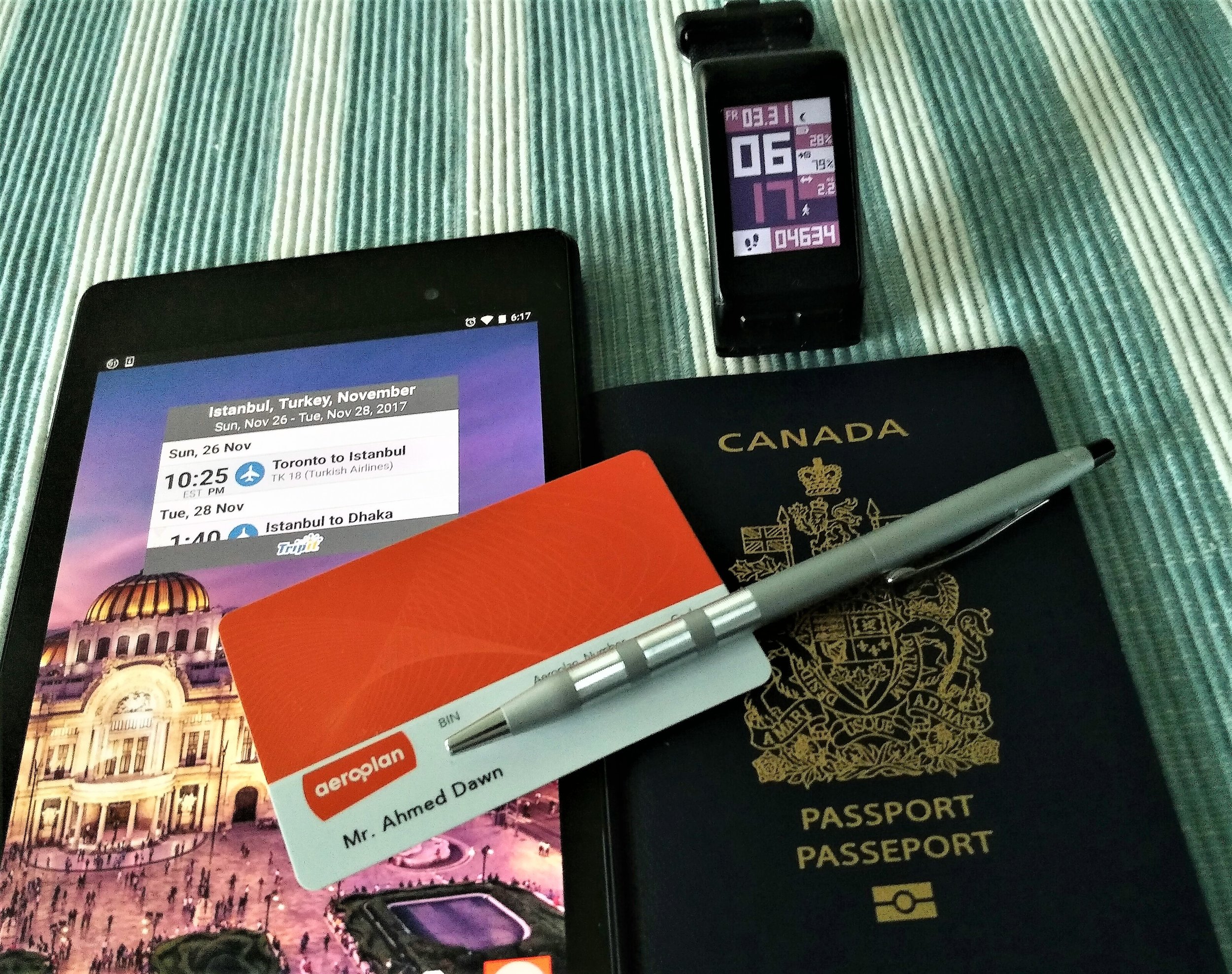
New Aeroplan Program Highlights | What You Need to Know

Everything You Need to Know About Air Canada’s Refreshed Aeroplan

Air Canada Aeroplan starts a new airline loyalty flight on November 8, 2020 with a redesign of their Aeroplan program. Today, I will give you a brief summary of what’s important.

For detailed information, visit the Aeroplan Website. Also, you can watch my video on Aeroplan here:

New Aeroplan (Air Canada) | What You Must Know Now

Aeroplan New Earn Structures and Longer Expiration

The earning structures are changing from being based on miles flown to amounts spent. Points expiration will stretch from 12 months to 18 months. Also, there will be options to recover your points without a hefty penalty.

Those Hated Fuel/Carrier Surcharges Are Gone

The new Aeroplan will have no more fuel surcharges. Those ridiculous, pesky surcharges or fuel fees or carrier fees/surcharges will be eliminated. Instead, there will be a flat $39 Cad fee to book partner flights.

Every Seat Is A Reward Seat

A major complaint with the Aeroplan program was that there were no reward seats available. This will change. No more seat restrictions or blackouts. If you can buy a ticket, you will be able to book it with Aeroplan points under their new program. Canada seats will be available based on market value. There will be options to pay using points + cash or points only. Partners' seats will be based on fixed points.

There will be 4 travel zones: North America, South America, Atlantic, and Pacific.

There will be a variety of ways to use points such as to upgrade to business class, purchase Wi-Fi, pay baggage fees, enter elite lounges, etc.

Points Sharing

You will have the ability to pool points together to earn or redeem. Up to 8 members allowed. This is a good feature for families.

Stopovers + Open-Jaws

You will be able to add 5000 points to get a 2nd destination on a one-way trip. You can add Open-Jaws for free on a round-trip. I explained what an Open-Jaw is in the video.

Amazon Canada Rewards Visa Credit Card Review

A Visa Card That Saves You Foreign Currency Transaction Fees

First Published Date: December 5, 2013 ADawnJournal.com

Probably 90 percent of retailers have some sort of credit cards tied to some kind of reward points of their own, so why not Amazon Canada? Today, I will talk about some of the features the Amazon.ca Rewards Visa card offers.

The instantaneous benefit of this card is that once you are approved, Amazon.ca will take off $15 of your next purchase on the Amazon online store. And then there are ongoing reward points for each transaction you make (whether online or offline). For example, spending $1 at Amazon.ca earns 2 points (works out to be 2 percent cash back) and spending $1 anywhere else (where Visa is accepted) earns 1 point (works out to be 1 percent cash back).

There are also promotional financing offers on qualifying purchases of $199 or more. For example, you can take 6 months to pay without paying interest on $199+ or 12 months to pay on $499+ purchases. These can change any moment. So check at Amazon.ca before you make any large transactions to take advantage of promotional offers.

The best feature of the Amazon.ca Visa card is that it does not have any foreign exchange fees when you use your card outside Canada. All other major credit cards charge a 2.5 percent fee if you make any transactions outside Canada. If you travel a lot, saving 2.5 percent on each transaction can save you a lot of money.

RBC Offers RBC MyProject MasterCard to Pay For Projects - But Is It Worth It?

RBC Launches MyProject MasterCard

First Published Date: August 12, 2012

To start a brand new life after the wedding with heavy debt, and to put more Canadians into debts with their everyday projects such as renovations, vacations, or anything else you can possibly think of, RBC came up with an innovative idea to offer a credit card and a loan built into one called RBC MyProject MasterCard. However, the question is, is this credit card + loan worth trying for?

RBC MyProject MasterCard – How Does It Work?

For the first six months, RBC MyProject MasterCard works just like a regular credit card. You make purchases and accrue no interest during your first six months purchase period. After six months, RBC MyProject MasterCard balance will convert into a loan and monthly payments will start. The loan can be either a variable rate loan or a fixed-rate loan with an amortization period of up to 15 years. If you want, the loan can be paid off in full at anytime you want.

Is RBC MyProject MasterCard Worth It?

RBC MyProject MasterCard offers an unbeatable deal if you finance any projects for free for six months. Instead of spending cash, use RBC MyProject MasterCard and pay off the loan by the end of the six month purchase period without paying any interest. If your project is something that must be done even with paying interest, then use an RBC MyProject MasterCard instead of charging your regular credit cards and paying 20% interest. However, I would recommend you call RBC first to check what their variable and fixed interest rates are, and then check with other banks if they can offer a line of credit accounts below RBC’s interest rates.

Do You Really Need A Visa Debit Card?

What Is A Visa Debit Card?

Published Date: September 23, 2012 ADawnJournal.com

Recently, I have noticed a steady stream of Visa debit ads as Canadian banks are trying hook up more clients with their comparatively new product, the Visa debit card. Today, I will discuss a few things about the Visa debit card.

The first thing you need to know is that although the name has Visa attached to it, the Visa debit card is not a credit card. Think of it as a bank card, but with international usability. A regular bank card issued by any bank becomes a worthless piece of plastic when you board a foreign-bound plane. However, a Visa debit card becomes your friend when you are in a foreign country.

You can make purchases around the globe with a Visa debit card – just like using a Visa credit card. However, the money comes out of your bank account instead of your credit card account. Visa debit card transactions are made through Visa’s network and protected by same security features and zero liability Visa offers like a Visa credit card.

Now the question may arise – why do you need a Visa debit card when you can use a credit card? Actually you don’t. If you have no problem paying your credit card bills on time in full, you may not need a Visa debit card. However, a Visa debit card is a good option for those who don’t want to deal with credit cards or do not have credit cards. Because money is coming out of your bank account directly, there is no question of ending up with credit card balances. You only buy what you can afford.

Although my bank mentioned that they will be sending me a new Visa debit card to replace my regular bank card, I will continue using a regular reward credit card when I travel outside Canada. And to carry a minimum numbers of cards, I will leave my Visa debit card at home.