Why We Stopped Using Airbnb: A Personal Reflection

Why Booking Hotels May Be Better Than Airbnb

Part 1

Airbnb has revolutionized the way we travel, offering unique accommodations and experiences that traditional hotels often can't match. However, after years of using the platform, especially our experience from our Philippines and Thailand trips, we decided to stop booking or reduce booking as much as possible through Airbnb.

For example, we have a month-long trip coming up to Malaysia and Maldives and this is the first time we don’t have a single Airbnb booking. Here are our main reasons behind our decision:

 1. Increasing Costs

When Airbnb first emerged, it was known for providing affordable alternatives to hotels. Over time, however, the cost of Airbnb rentals has risen significantly. Service fees, cleaning fees, and other hidden charges often make the total cost comparable to, or even higher than, hotel prices. This shift has made Airbnb less appealing for budget-conscious travelers. We noticed for our Malaysia and Maldives trip, Airbnbs had higher prices than hotels (and no breakfasts were included).

2. Safety Concerns

This was our priority issue. Staying in someone else's home can sometimes raise safety concerns. While Airbnb has measures in place to ensure safety, we've had experiences where the security of the property was questionable. Issues like faulty locks, lack of emergency exits, and unfamiliar neighborhoods have made us reconsider the safety of Airbnb accommodations.

I remember we had a two-storey unit in Boracay (in general Boracay is very safe for tourists), but at night we didn’t feel safe at all. Although the host stated there was security at night, we never saw anyone around.

3. Host Reliability

The relationship between guests and hosts is crucial to the Airbnb experience. Unfortunately, we've faced situations where hosts were unresponsive, canceled bookings at the last minute, or failed to address issues during our stay. This lack of reliability can lead to stressful and unpleasant travel experiences.

In one instance, when we went to check in the attendant disappeared and we had to hunt down the owner on WhatsApp to arrange our check-in. In another situation, we had to wait a long time in a condo reception area and the attendant never showed up, so the condo concierge had to hunt them down.


4. Local Regulations

Many cities around the world have implemented strict regulations on short-term rentals, including Airbnbs. These regulations can lead to legal complications and fines for both hosts and guests. Navigating these rules has become increasingly complex, making traditional hotels a more straightforward option.

5. Impact on Local Communities

Airbnb has been criticized for contributing to housing shortages and rising rent prices in popular tourist destinations. By opting for hotels, we feel we're making a more responsible choice that supports local economies without exacerbating housing issues.

6. No One to Help Around the Clock

This is my personal preference; I like seeing someone always available at hotel desks. When I enter or exit hotels, or in case of an emergency, there is always someone available to help. This is a must—especially if you have late-night flights. As with Airbnb, you might worry during your long flight if someone is available to let you in in the middle of the night or if you have to leave very early to catch a flight.

Conclusion

While Airbnb offers unique and memorable stays, the increasing costs, inconsistent quality, safety concerns, host reliability issues, local regulations, and impact on communities have led us to reconsider our use of the platform. For now, we find that traditional hotels provide a more reliable and stress-free travel experience.


Why You Need a Multi USB Cable | Travel Hacks

Best Multi Cable for All Your USB Cable Needs

In the past, having multiple charging devices on the plane was a challenge. Most of the time having the right cable was hit or miss. For instance, I had the both USB C-ending cable whereas the aircraft only had a USB output. That’s where the need for a multi cable comes into play.

Unlike a traditional cable, a multi-USB Cable comes with everything you require, such as USB C, USB, or even lightning cable for some Apple devices. After searching for a while, I ended up buying one called NOHON 4 In 1 Multi USB Cable.

This is not a paid or affiliated review – there are many other cables available on Amazon and the like. The one I bought costs only $7 to $10. It has an adapter that lets you convert from USB C to USB and USB C to Lightning cable. If you don’t need a certain type, you can even completely detach it and put it away.

For example, I don’t own any Apple products, so I am contemplating removing the Lightning converter, as this is unnecessary for me. It is 4 feet long with nylon braided material and seems to be durable enough.

As a bonus, the NOHON 4 In 1 Multi USB Cable also supports high speed charging and high-speed data transfers. These features will come in handy when traveling.

A multi cable will make life a little more worry free when you are traveling, as there many other things you constantly need to worry about when you’re on the move. I have a video review of this which you can view by clicking the link below:

Koz Bingol Canada – The Best Turkish Restaurant In Toronto?

Best Kebab In Toronto? – Koz Bingol Turkish Restaurant

Koz Bingol is a new Turkish restaurant located at 655 Queen St W in Toronto. The first time we went there was when the restaurant just opened. We went back there for the 2nd time again because we liked it so much the first time, we couldn’t wait to try it again.

We noticed they changed their setup a little. The first time it was like a fast-food restaurant. But this time they had switched to full service - which was not bad. Those who wanted take-out only, could still grab-and-go without full service.

The waitress was friendly. We ordered one beef doner wrap combo and one chicken doner wrap. The combo was $17.00 and came with a fries and coke. The sandwich only was $15.00. The prices were not bad and the quantity was a lot. We were only able to eat half of it and took the rest home.

The food was really delicious – we found nothing to complain about. I found the beef doner was slightly crispier, but still juicy. We liked both so much that we ordered a cold baklava later. The baklava was made of milk, pistachio, and a hint of chocolate and of course phyllo dough. Being moist made this baklava more delicious than traditional Turkish baklava, which are a little dry.

Last time we tried their Sutlac – which was a Turkish version of rice pudding and that was incredibly delicious as well.

Overall, our experience was positive. I noticed they have a lot of items that I never heard of and I’m looking forward to trying those in the future. We definitely will go back there for more someday soon.

Exploring Ukulhas: A Budget-Friendly Local Island in the Maldives

Ukulhas: Completing Our Budget-Friendly Maldives Trilogy

Following our explorations of Maafushi and Dhigurah, we continued our quest for an affordable paradise in the Maldives with a visit to Ukulhas.

Ukulhas, located in the Alif Alif Atoll, is one of the most well-organized local islands in the Maldives. Ukulhas offers the same breathtaking beauty and authentic Maldivian culture, but with its own unique appeal. Like its sister local islands, Ukulhas proves that experiencing the Maldives doesn't require a fortune.

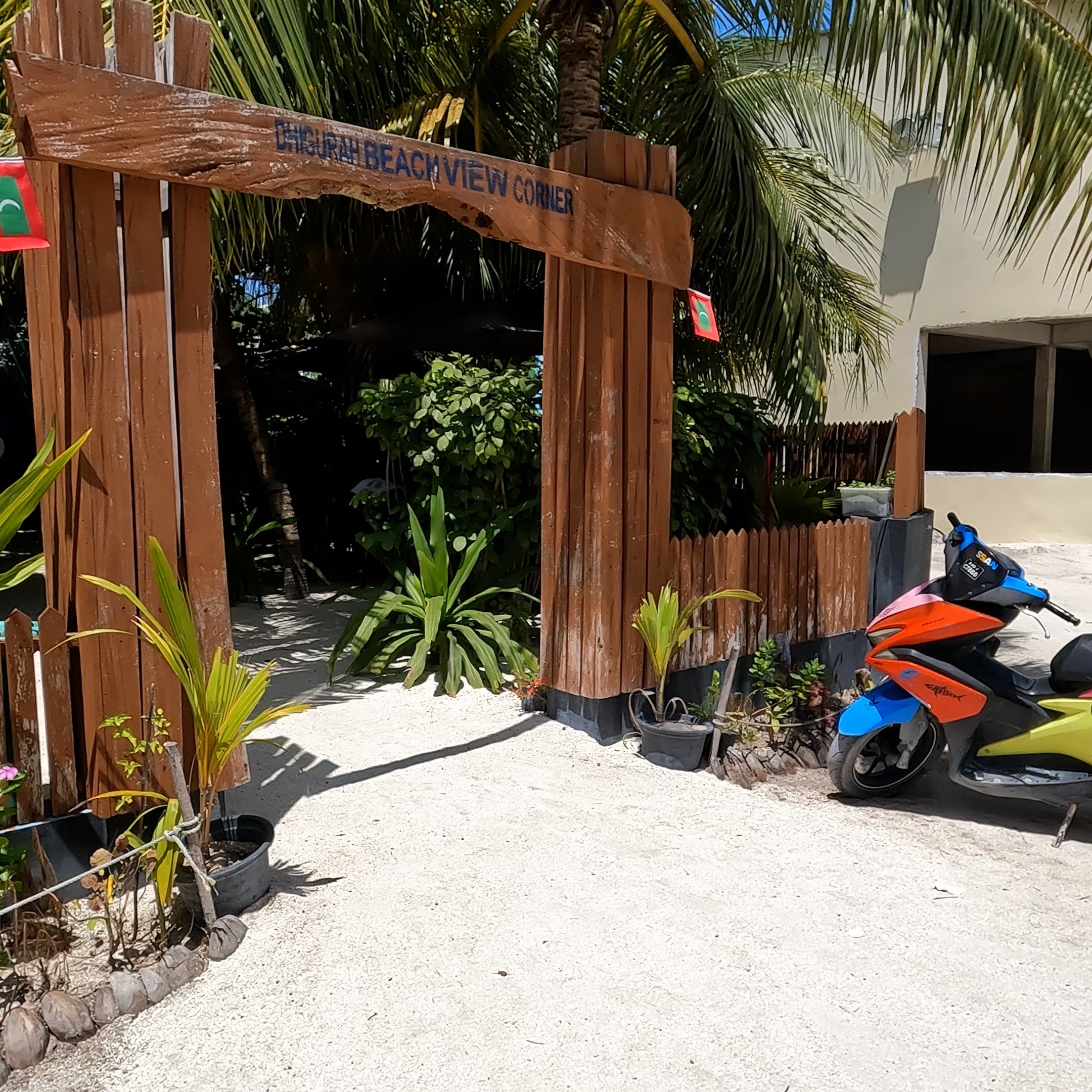
What sets Ukulhas apart is its commitment to sustainability and its pristine environment, ensuring that its natural beauty remains intact for future generations. The island is known for its clean, well-maintained beaches, often ranked among the best in the Maldives. Imagine powdery white sand, crystal-clear turquoise waters, and lush greenery – all without the crowds and high prices of resort islands, a similar experience to the tranquil beauty in Dhigurah.

Accommodation on Ukulhas, much like in Dhigurah, ranges from guesthouses to small hotels, offering a variety of options to suit different budgets. You can find comfortable and clean rooms for a fraction of the cost of a resort, allowing you to spend more on experiences.

Food in Ukulhas is both delicious and affordable. Most guesthouses offer meal plans, but you can also explore local cafes and restaurants to sample Maldivian cuisine. I recommend the mas huni (a traditional tuna and coconut dish) or some of their fresh seafood grilled to perfection.

Speaking of experiences, Ukulhas boasts incredible opportunities for snorkeling and diving. The house reef is easily accessible from the beach and teeming with marine life, including colorful fish, turtles, and even reef sharks. Several dive centers on the island offer excursions to nearby dive sites, known for their vibrant coral gardens and manta ray encounters. It truly is a marine life spectacle rivaling that of Dhigurah.

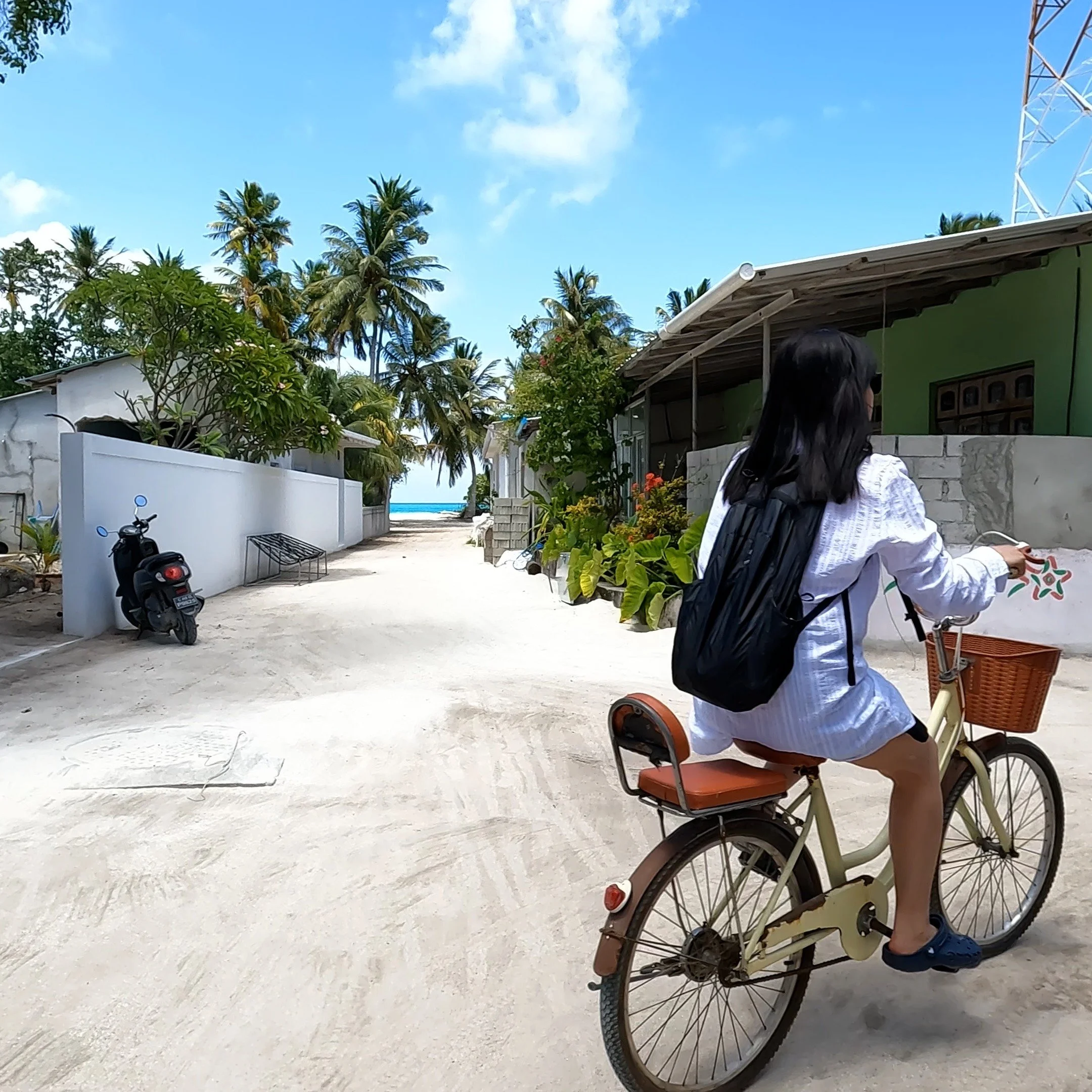
Beyond the underwater wonders, Ukulhas offers a glimpse into authentic Maldivian life. You can interact with friendly locals, sample delicious Maldivian cuisine at local restaurants, and explore the island's charming streets, just like the local experiences we cherished in Maafushi. Don't miss the chance to try some fresh seafood, a staple of Maldivian cooking.

Reaching Ukulhas is easy and budget friendly. A public ferry from Malé costs around $3-5 and takes about 3.5 hours, while a speedboat transfer is faster but more expensive.

If you're looking for a Maldives experience that combines stunning natural beauty, cultural immersion, and affordability, and if you've enjoyed our previous recommendations for Maafushi and Dhigurah, Ukulhas should be at the top of your list. It's a true gem in the Maldivian archipelago, proving that paradise can be accessible to everyone.

Is Mandarin Buffet Dinner Worth It? Friday Night Dinner in Midtown Toronto

Exploring the Upgraded Dinner Menu at Mandarin Buffet (Yonge & Eglinton)

I recently embarked on a culinary adventure to the Mandarin Buffet at its bustling Yonge and Eglinton location, specifically for their Friday night dinner service. Having previously explored their offerings, I was eager to see if the more extensive dinner menu justified the higher price point. For example, dinner is $41 but lunch is only $26. So, it’s a $15 spread.

Stepping inside, the atmosphere was lively, though surprisingly not overly crowded for a Friday evening. I wanted to see the highlights of their dinner spread, which boasts a significant upgrade from their lunch offerings. The most notable additions? A dedicated sushi section brimming with fresh rolls and sashimi, succulent prime rib carved to order, and a more generous selection of seafood.

I navigated through the various stations, each a tempting display of culinary delights. From classic sweet and sour pork to flavorful baked teriyaki salmon and my personal favorite, the crispy braided torpedo shrimp, the main dish selection was vast and varied. The salad bar offered a refreshing counterpoint, while the dessert station was a sugary wonderland, featuring everything from creamy mango pudding to decadent cakes and a tempting array of ice cream flavors.

While the Mandarin Buffet consistently offers a wide array of dishes, the dinner service features premium additions like a more extensive seafood selection, including mussels, and prime rib. These upgrades come with a noticeable price increase of approximately $15 over their lunch menu.

Personally, while I appreciate the availability of these higher-end items, they aren't my top culinary priorities. If you value a wider variety of seafood and prime rib, the dinner service might be worthwhile.

However, considering my own preferences, I found the added cost didn't entirely justify the extra offerings. In the future, I'll likely stick to the Mandarin Buffet's lunch service, which still provides a satisfying and diverse all-you-can-eat experience at a more budget-friendly price point.