12 Surprising Maldives Secrets Every Traveler Should Know
/12 Maldives Facts You Didn’t Know
When you think of the Maldives, you probably imagine overwater villas, endless tuna dishes, and heavy rain during the monsoon season. But after spending two weeks exploring the local islands, I discovered that many common assumptions about the Maldives are completely wrong. Here are 12 surprising realities that will change how you plan your trip.
1. Solo Female Travelers Are Safe and Thriving
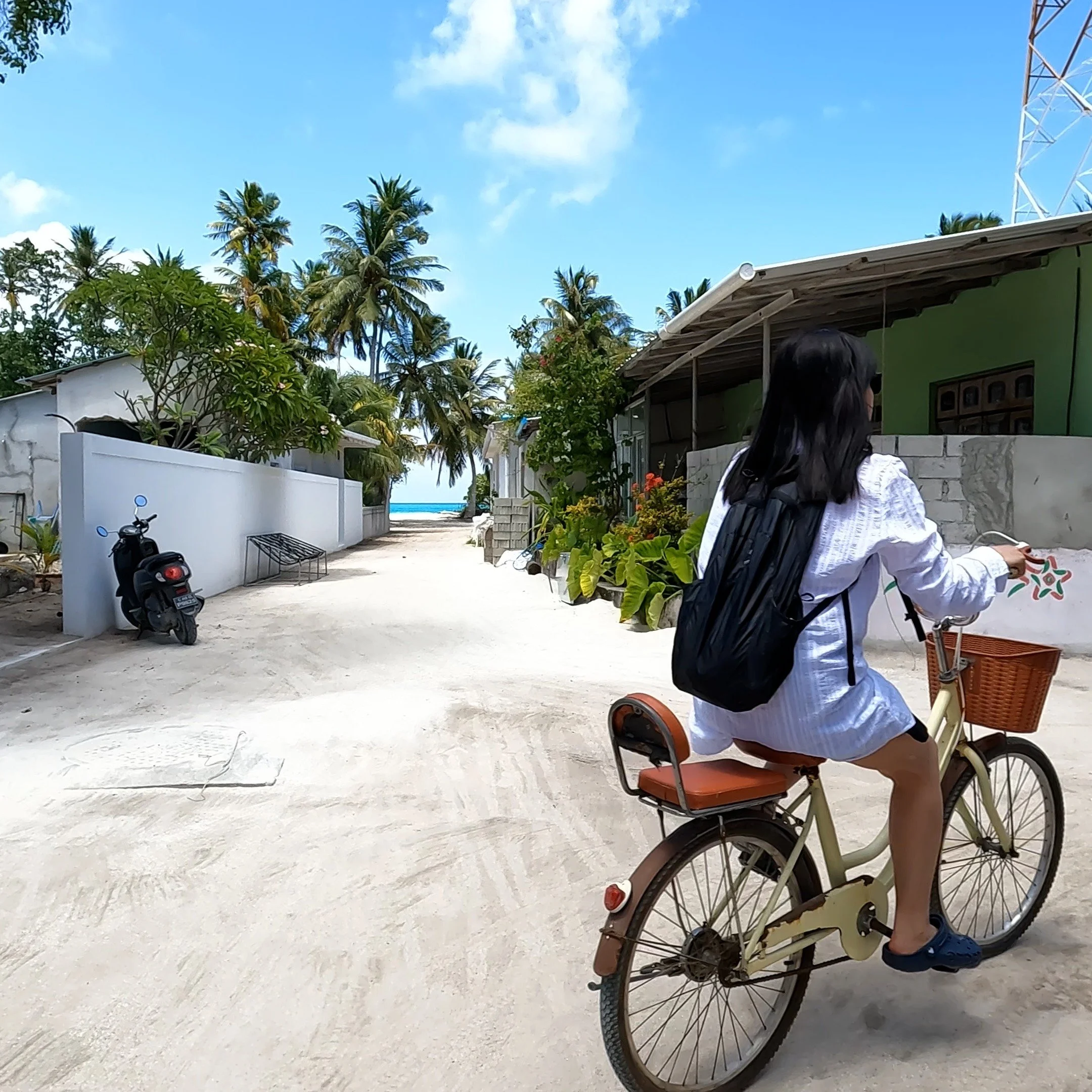
Despite what some blogs and videos claim, the Maldives is generally safe for solo female travelers. I met many young women exploring the local islands without any issues. The community vibe and hospitality make it a welcoming destination.
2. You Won’t Be Eating Tuna All Day
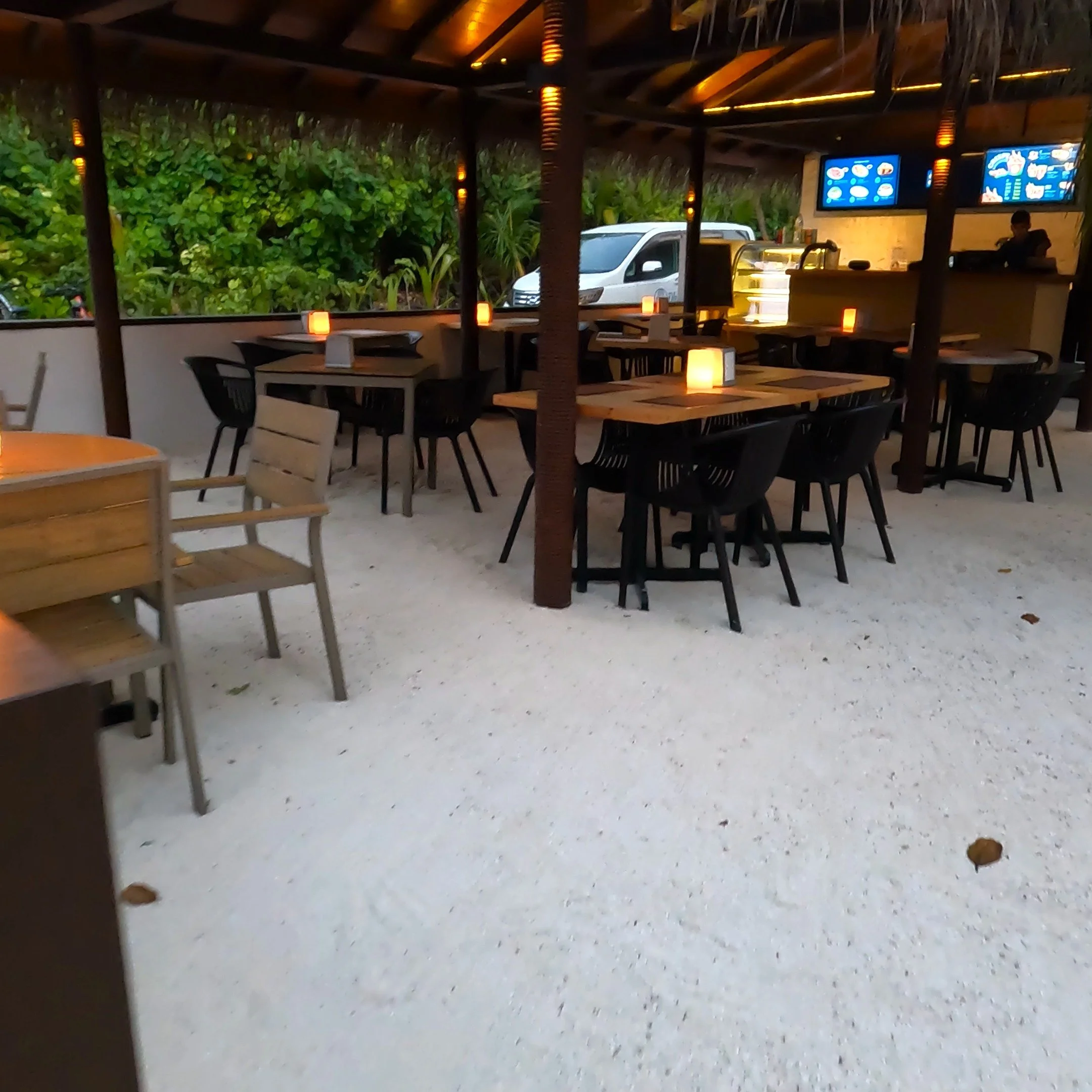
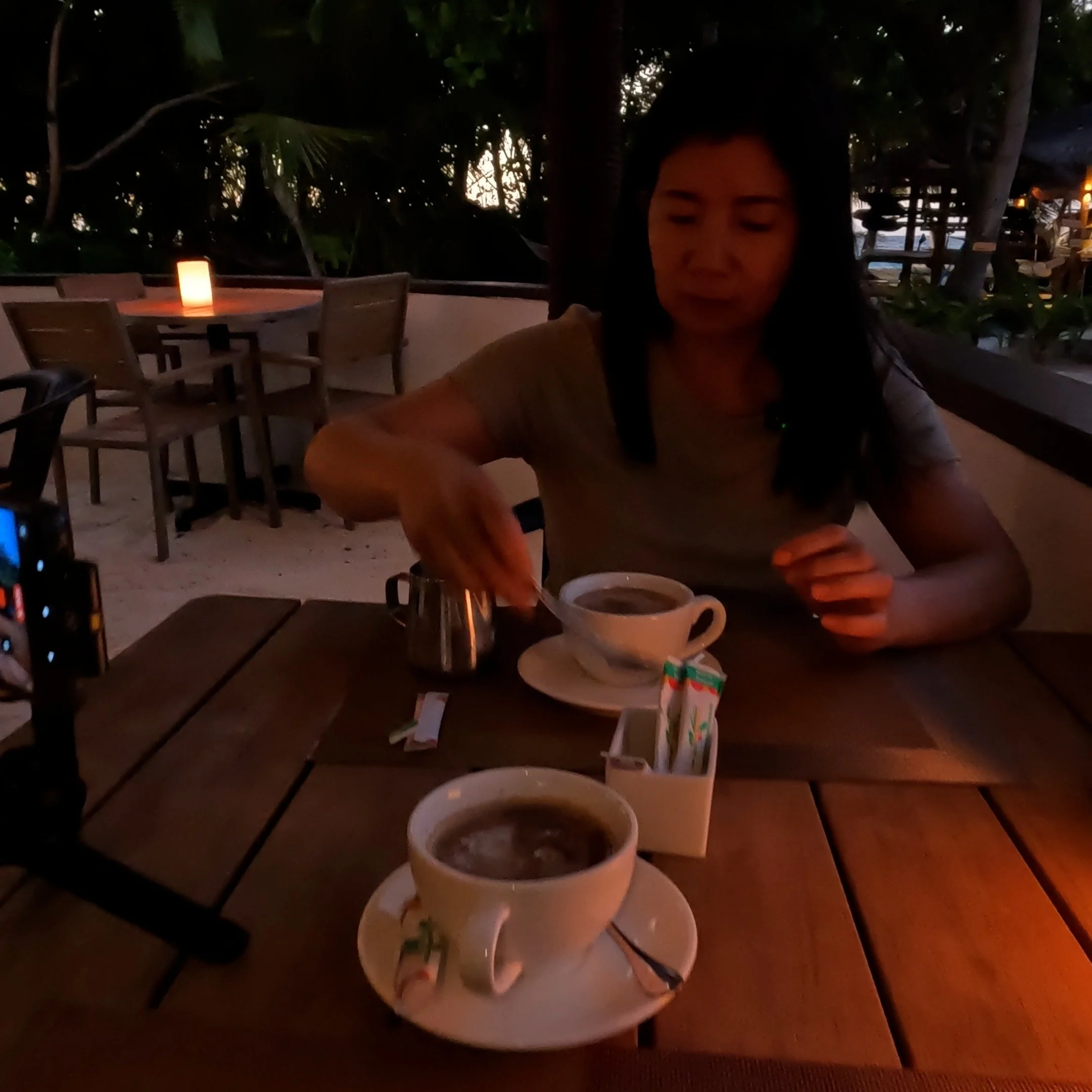
Yes, tuna is a staple in Maldivian cuisine, but don’t worry—you won’t be stuck eating it for every meal. Local cafés and guesthouses serve a variety of dishes, from flavorful curries to fried rice and even Western options. I barely ate tuna during my trip!
3. Mosquito Myths Are Overblown
Before my trip, I stocked up on mosquito repellent, expecting swarms on the islands. In reality? There was hardly any mosquitoes. Sea breezes and clean surroundings keep them away, so don’t overpack repellents.
4. Rainy Season Isn’t Really “Rainy”
I visited during the southwest monsoon (May–October), expecting constant rain. It rained only once in two weeks—and just for a short burst. Booking in the rainy season can save you a lot of money without sacrificing good weather.
5. Most People Working Aren’t Maldivian
Here’s something few people know: the majority of workers in resorts and guesthouses are from Bangladesh, Nepal, and Sri Lanka. Stores, groceries, cafes, restaurants, construction, and everywhere else most of the people we met were from Bangladesh. We found local employees only on tours and diving.
6. The Maldives Is the Flattest Country on Earth
With an average elevation of just 1.5 meters above sea level, the Maldives is the world’s lowest-lying nation. This unique geography creates stunning horizons but also makes the islands vulnerable to rising seas.
7. Local Islands Offer Authentic Culture
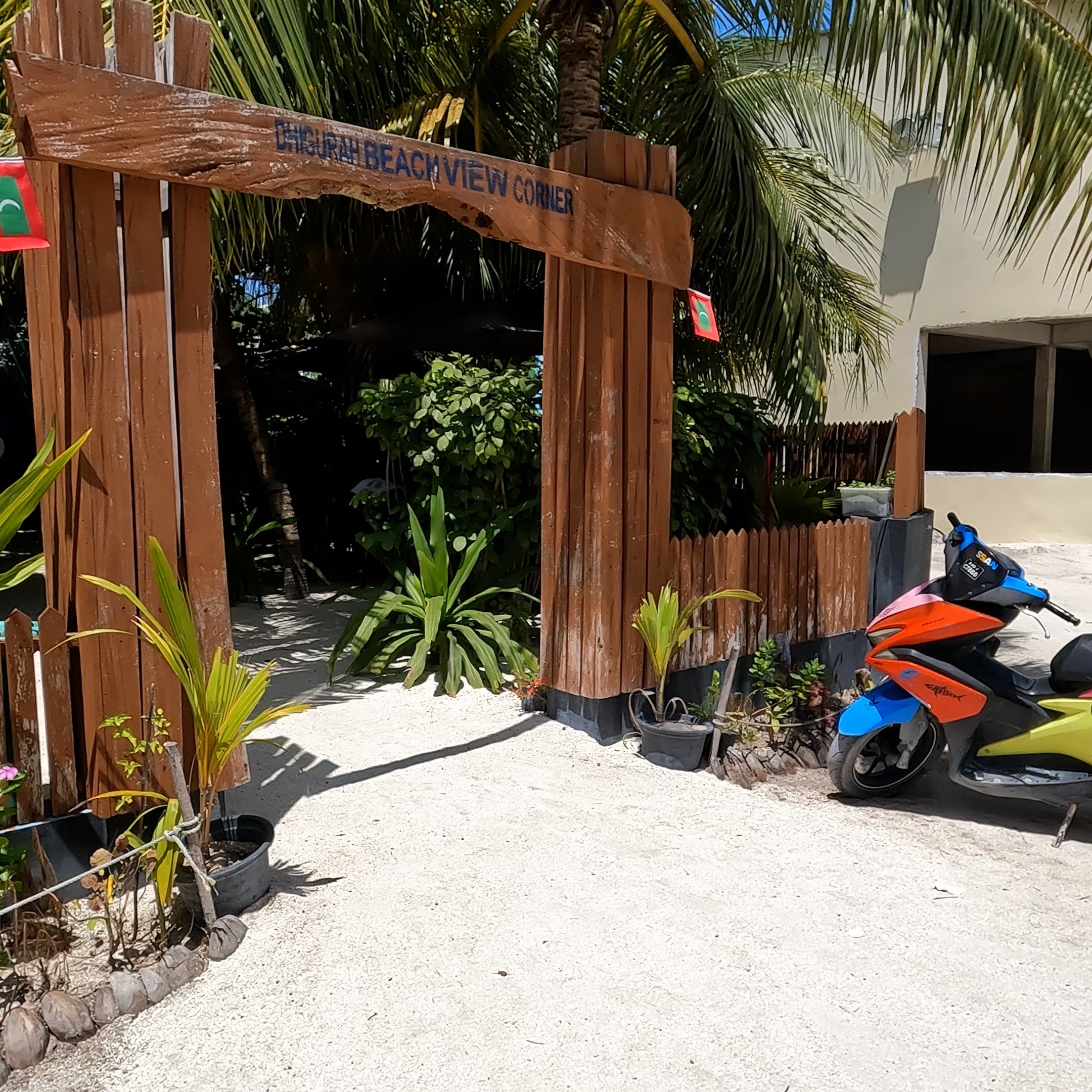
Luxury resorts are beautiful, but the local islands give you a real taste of Maldivian life—family-run cafés, traditional dhoni boats, and cultural music like Bodu Beru drumming. Plus, staying on these local islands is far more affordable.
8. Freshwater Comes from the Ocean
There are no rivers or lakes in the Maldives. Drinking water comes from desalination plants that convert seawater into fresh water—a fascinating sustainability practice you’ll notice everywhere.
9. You Can’t Go Wrong with Any Island
Every single one of the Maldives’ 1,190 islands is a coral paradise with powdery white sand and turquoise waters. There’s truly nothing else like this in the world—there are no “bad” islands here. Whether you choose a resort or a local island, the beaches will blow your mind.
10. You Can Save Big in Off-Peak Season
Traveling during the rainy season or staying on local islands can cut your costs by up to 50%. Combine that with fewer crowds and mostly sunny weather, and you’ve got a smart travel hack.
11. Sharks, Manta Rays, and Whale Sharks Are Gentle Giants
The Maldives is one of the few places where you can swim alongside incredible marine life without fear. Reef sharks don’t eat humans, manta rays don’t bite, and even the humongous whale shark peacefully shares the water with snorkelers. It’s a once-in-a-lifetime experience—and found only in the Maldives.
12. Everyone Speaks English
Another thing about the Maldives is that everyone speaks English – even the kids. Also, I was shocked to have a conversation with them finding out that they are fluent in English and do not have a thick accent that many other countries have where it’s difficult to understand.
Final Thoughts
The Maldives isn’t just about luxury resorts and postcard-perfect beaches—it’s full of surprises that make it more accessible and enjoyable than most people think. Whether you’re a solo traveler, a budget explorer, or someone seeking authentic culture, these insights will help you plan a smarter, more rewarding trip.