Gurney Plaza Penang: Stores, Brands & Food Hall Guide

Gurney Plaza Penang: A Practical Look at the Mall and Food Hall

We took a Grab from Penang Esplanade to Gurney Plaza. It took us about 10–12 minutes, roughly 3 km distance. Gurney Plaza is one of the city’s most established malls, offering a mix of luxury brands, mid‑range retailers, and a large basement food hall. Located along Gurney Drive, here you will find  a straightforward layout and a wide range of shopping and dining options across several floors.

The entrance area features well‑known luxury watch and fashion brands. Stores such as Omega, Rolex, Longines, Boss, Calvin Klein, and Tommy Hilfiger line the ground floor, giving the mall a high‑end feel from the moment you walk in. Other premium retailers like Aesop, Pandora, and Nespresso also appear throughout the lower levels. The mall includes multiple floors, with some sections resembling a department ‑store layout similar to Hudson’s Bay in Canada.

As we moved upward, we saw popular lifestyle and apparel brands including Muji, Uniqlo, Teva, and several Japanese‑influenced shops. Many of these stores span more than one level, offering clothing, home goods, and accessories. The mall’s interior design includes seasonal displays and decorative installations, which add to the visual appeal of the walkways.

The basement level is the busiest and most diverse part of Gurney Plaza. This floor contains the mall’s main food hall, along with bakeries, confectionery shops, sushi counters, and a variety of Asian restaurants. Visitors will find popcorn stalls with multiple flavors, Thai and Japanese dining options, dried meat shops, and dessert counters offering items like cheese cookies, cream pies, and pastries. Coffee and bubble tea options are also available, including chains such as Gong Cha and several local cafés.

A grocery store and pharmacy are located on the same level, making the basement a practical stop for both snacks and essentials. The wide selection of food and drink options makes this floor more active and engaging compared to the upper retail levels.

Overall, Gurney Plaza provides a balanced mix of luxury shopping, everyday brands, and an extensive food hall, making it a convenient stop for visitors exploring Gurney Drive or staying in nearby hotels.

Gurney Plaza is about a 5-minute walk away from the famous Gurney Drive Street Food location. I strongly suggest visiting that as well – which I will talk about later.


Esplanade Penang Walk — Astaka Kota Selera, Boardwalk & Hidden Food Courts

Esplanade Penang - Boardwalk & Street Food Tour

We got lost trying to reach the Esplanade Penang in Malaysia.  But then we accidentally ended up reaching Astaka Kota Selera, a large open‑air food pavilion that many travelers overlook, located right next to the Penang Esplanade. It’s like a street‑food hall, with rows of stalls offering everything from drinks and desserts to full meals at very affordable prices. If you’re visiting the Esplanade, this is one of the best places to grab a variety of dishes without overspending.

Right after exiting the pavilion, we found a washroom area. There’s a small fee—50 sen for washroom use and 1 ringgit for a shower. One important tip for travelers: always carry tissue. Many Malaysian washrooms rely on water or bidets, and tissue isn’t always provided.

Just outside the food court, the area opens into a small park with a pond, cannons, and what appears to be part of Fort Cornwallis, Penang’s historic defensive fort. Although we didn’t have time to explore the fort fully, the surroundings offer a beautiful view of the ocean, with mountains tucked into clouds across the water. Even on a rainy day, the scenery feels peaceful.

From there, we continued toward the Esplanade boardwalk—not a wooden boardwalk as the name suggests, but a wide seaside walkway where locals fish, relax, and enjoy the breeze. Despite the drizzle, the atmosphere remained calm and refreshing. Malaysia continues to impress us with its cleanliness, organization, and surprisingly low prices. Even services like Grab and food delivery cost less than in many neighboring countries.

As we walked farther, we found another hawker center with even more food options, including Pasembur, dry fish, shrimp, and various local snacks. This area also had seating, hand‑washing stations, and small shops selling fruits and pickled items.

The Esplanade is clearly a weekend gathering spot, and by late afternoon the crowds begin to grow. For us, this was our final evening in Penang before returning to Kuala Lumpur, and discovering this waterfront walk felt like a perfect ending.

If you’re visiting Penang, don’t skip the Esplanade. Come for the food, stay for the breeze, and enjoy one of the island’s most relaxing coastal walks.

How to Visit Armenian Street in Penang: Street Art, Heritage Walk & What to Expect

Where to Find the Best Street Art on Armenian Street, Penang: A First‑Time Visitor’s Guide

After visiting the Chew Jetty, we headed towards Armenian Street in George Town. It’s known as Penang’s most iconic heritage zone and is full of street art and murals. As we walked, the first thing we noticed was how old and historical the surrounding buildings looked — a clear sign that we were entering one of the city’s preserved cultural districts.

Navigating the streets fine-tuned our senses. Along the way, we passed many restaurants, small shops, and narrow sidewalks where we had to be careful with traffic. The area felt lively, with a mix of locals, tourists, and small businesses lining the road. The sights and sounds were incredibly mind blowing.

As we got closer, the atmosphere shifted. Rickshaws appeared, heritage buildings became more prominent, and the first pieces of street art came into view. One of the highlights of Armenian Street is its murals — the kind that make Penang famous worldwide. Even from a distance, we could spot artwork on the walls and it immediately set the tone for what the street is known for: creativity and culture blending seamlessly into everyday life.

The street itself was busy, filled with souvenir shops, small cafés, and visitors taking photos. We saw everything from a fat cat mural to a person dressed as Spider‑Man entertaining the crowd. Despite the heat, the energy of the street made the walk enjoyable. The mix of temples, old shophouses, and modern artistic touches created a unique visual experience that captures the essence of George Town’s UNESCO heritage identity.

One of the highlights near Armenian Street is the colorful, visually striking “Umbrella Street,” a short pedestrian lane decorated with hanging umbrellas that create a bright canopy overhead. It’s a popular Instagram hotspot and easy to find while walking through the heritage zone.

Armenian Street isn’t long, but it’s dense with things to see. Even after reaching what felt like the end, we realized there were more lanes and more artwork to explore. It’s the kind of place where you can easily spend hours walking, discovering, and photographing. If you are in Penang, do not miss exploring Armenia Street and various other streets where you will encounter street art and murals aplenty.

Best Maldives Resorts for Every Budget ($300 to $1500 Compared)

How to experience the Maldives at any price point — and which tier offers the best value.

The Maldives has a reputation for being a once‑in‑a‑lifetime luxury destination, but the reality is far more accessible. With the right strategy, you can experience the same turquoise lagoons, overwater villas, and world‑class snorkeling at three very different price tiers: $300, $800, and $1500 per night.

This guide breaks down exactly what you get at each level, which resorts deliver the strongest value, and how to combine them for the smartest overall trip.

Why the Maldives Works at Every Budget

The Maldives is unique because:

  • Every island is its own resort

  • The water quality is consistently world‑class

  • Even budget tiers offer clear lagoons and marine life

  • You can mix local islands with private islands to reduce cost

  • Transfers, taxes, and meal plans matter more than the room price

This means you don’t need to spend $1500 per night to enjoy the Maldives — but you can if you want the full luxury experience.

Tier 1 — $300/Night (Local Island Resorts)

Best for: First‑timers, budget travelers, value seekers

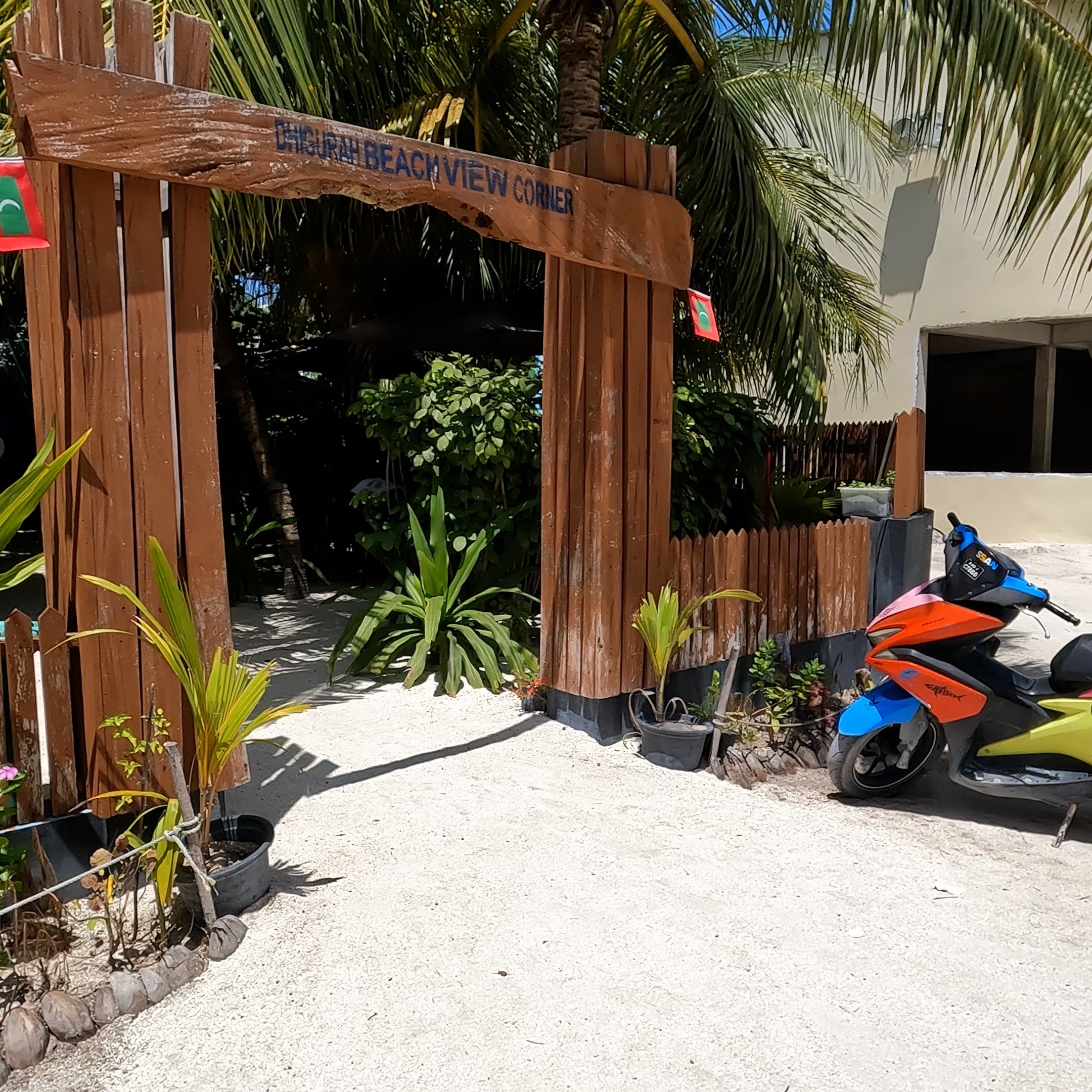
Featured Resort: Crown Beach Hotel, Dhiffushi

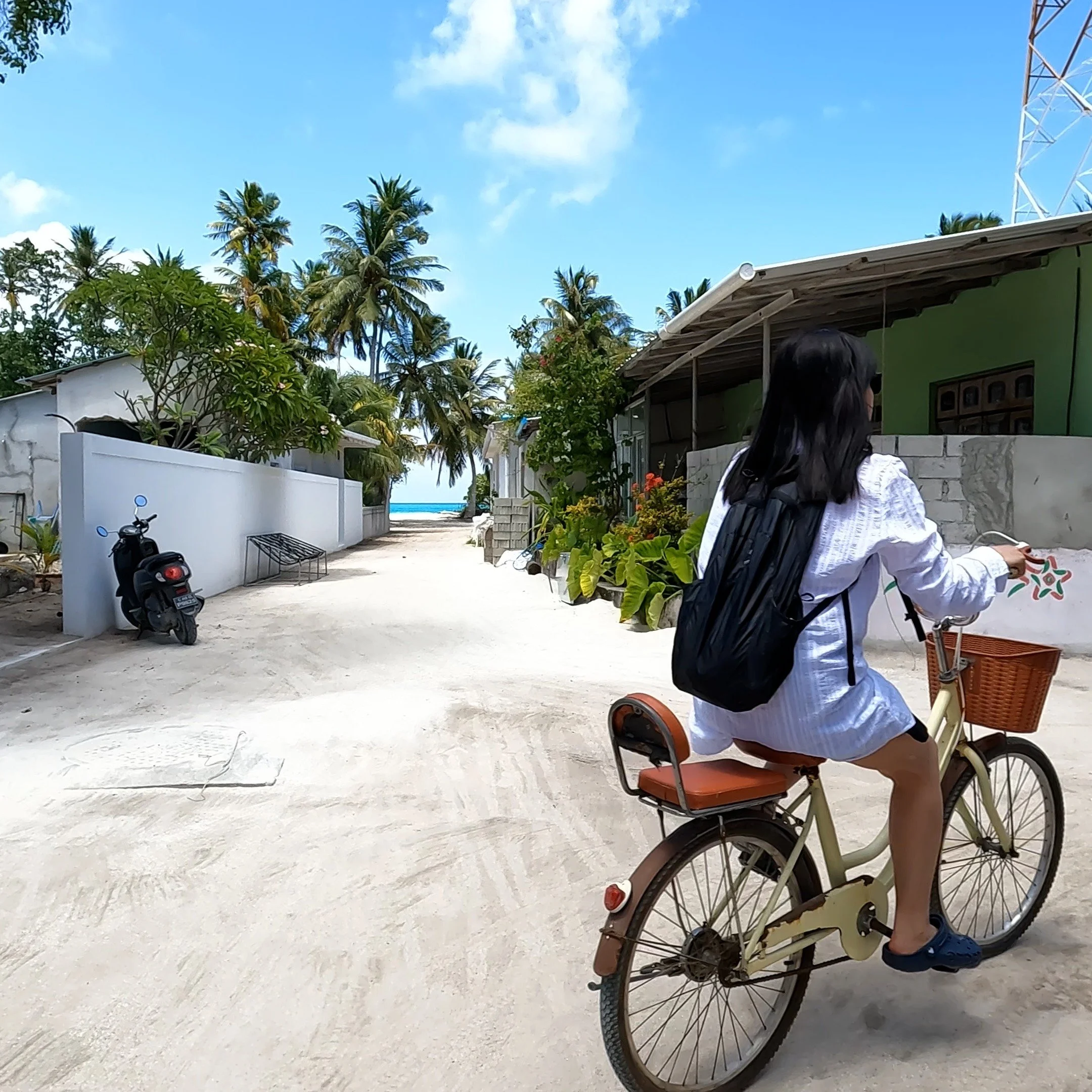
Local islands offer the highest value per dollar in the Maldives. You don’t get overwater villas, but you get:

  • Beachfront rooms

  • Calm lagoons

  • $50–$60 excursions

  • Walkable islands

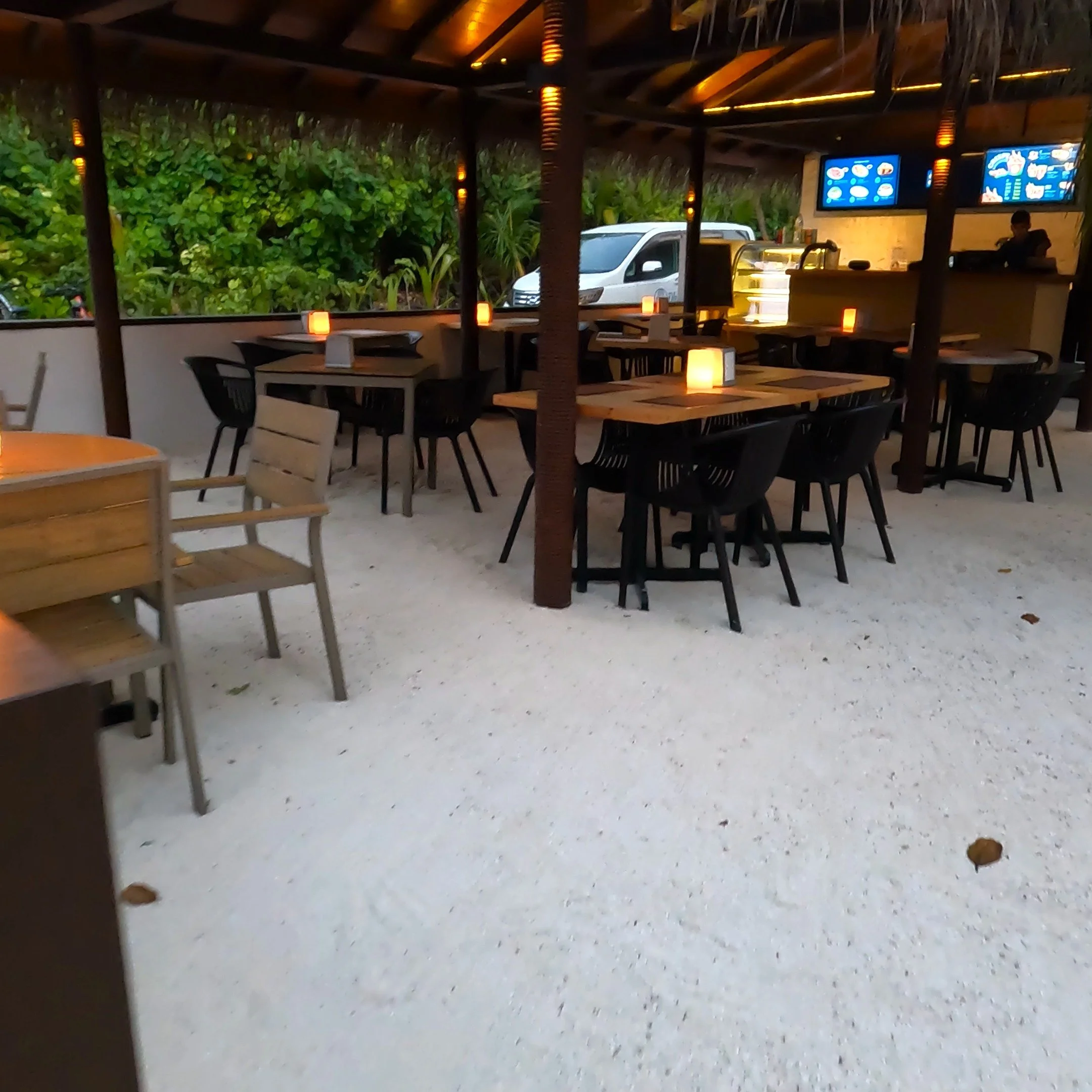
  • Local restaurants and cafés

  • Affordable transfers

Why it works: You get the same ocean, same sunsets, and same snorkeling — at a fraction of the price.

Who it’s for: Travelers who want the Maldives experience without paying private‑island rates.

Tier 2 — $800/Night (Mid‑Range Private Islands)

Best for: Classic Maldives experience, couples, overwater villa seekers

Top Picks:

  • Bandos Maldives

  • Embudu Village (cheapest overwater villas)

  • Holiday Inn Kandooma (best house reef)

This tier gives you the “Maldives postcard” experience:

  • Private island

  • Overwater villas (select resorts)

  • Better beaches

  • Better reefs

  • More privacy

  • Higher‑quality dining

Why it works: You get the iconic Maldives feel without entering luxury pricing.

Who it’s for: Travelers who want the overwater villa experience without paying $1500+.

Tier 3 — $1500/Night (Accessible Luxury)

Best for: Honeymoons, special occasions, premium travelers

Featured Resorts:

  • SAii Lagoon Maldives

  • OBLU XPERIENCE Ailafushi

  • LUX South Ari Atoll*

This tier delivers:

  • Larger, more private villas

  • Premium lagoon views

  • High‑end dining

  • Better service

  • More polished design

  • Iconic overwater villa experiences

Why it works: You’re paying for refinement, privacy, and premium views — not just the room.

Who it’s for: Travelers who want a luxury experience without entering ultra‑luxury pricing.

The Smartest Strategy: Split‑Stay

The Maldives is one of the few destinations where splitting your stay saves money and improves the experience.

Recommended Split‑Stay Plan

  • 3 nights on a local island (Dhiffushi)

  • 2 nights in an overwater villa (Embudu or SAii Lagoon)

Why this works

  • You save ~40% on your total trip cost

  • You still get the overwater villa experience

  • You enjoy both local culture and private‑island luxury

  • Transfers become more efficient

  • You avoid paying $1500/night for your entire stay

This is the strategy most repeat travelers use — and it’s the one that delivers the best overall value.

Which Tier Offers the Best Value?

If you want the best price‑to‑experience ratio, Tier 2 wins. If you want the lowest cost, Tier 1 wins. If you want the premium experience, Tier 3 wins.

But the Split‑Stay is the true sweet spot for most travelers.

Watch Next

Explore the full Maldives Playlist — cost guides, resort comparisons, transfers, taxes, meal plans, and everything you need to plan your trip with confidence.

How To Visit Penang’s Clan Jetties: Chew Jetty and Tan Jetty

Exploring Penang’s Clan Jetties: Chew Jetty and Tan Jetty

Visiting historic Clan Jetties was on top of our Penang “What To See” list. Built by Chinese immigrant communities in the 19th century, these waterfront settlements sit on wooden stilts above the sea and remain active residential areas today. Visiting the jetties offers an accessible look at Penang’s living heritage, traditional architecture, and coastal lifestyle.

Chew Jetty: The Most Iconic Stop

Chew Jetty is the most popular tourist friendly of the remaining clan jetties. The entrance is lively, with various small vendors. We stopped here for a moment to have fresh coconuts—an ideal refreshment before walking the long wooden boardwalk under the tropical heat.

Shops line both sides of the jetty, offering souvenirs, snacks, and locally-made items. As you walk toward the waterfront, the scent of the sea, dried seafood, and wood adds to the atmosphere. Murals depicting traditional life and small temples highlight the community’s cultural roots, making Chew Jetty a convenient introduction to Penang’s maritime heritage.

Tan Jetty: A Quieter, More Authentic Experience

A short walk away, Tan Jetty provides a contrasting experience. It is quieter, less commercial, and offers a more authentic look at daily life on the water. With fewer crowds, visitors can appreciate the stilt houses, open sea views, and the slower pace of the community. The long pier extending into the water is a popular photography spot, especially during sunrise and sunset.

Street Food Near the Jetties

Food stalls near Tan Jetty offer simple, affordable local snacks. Deep‑fried prawn crackers and fried tofu are popular choices, typically costing around 4.20 MYR (about $1.50 CAD). These quick bites are ideal if you want a light snack before continuing your George Town exploration.

Practical Tips for Visiting

  • Best Time to Visit: Early morning or late afternoon provides better lighting and avoids the intense midday heat on the exposed wooden walkways.

  • Respect the Residents: The jetties are living neighborhoods. Follow posted signs regarding photography and avoid entering private areas.

  • Footwear: Some temples require shoes to be removed, so choose footwear that is easy to slip on and off.

We liked visiting Clan Jetties a lot. It also reminded us our visit to the Muslim Floating Fishing Village in Thailand. Clan Jetties offer of the island’s most unique cultural experiences—easy to visit, visually interesting, and deeply connected to the city’s history.