What Is A Social Entrepreneur?

Social Entrepreneurship

First Published: Sep 18, 2011 EntrepreneurJourney.com

Social entrepreneurs are entrepreneurs, but they work on a larger scale. Instead of concentrating on a business or an entity, social entrepreneurs concentrate on social problems and issues and use entrepreneurial skills to solve or change social issues to make society work or societal systems to work better, efficiently, and in harmony with nature and environment.

Social entrepreneurs can work in a voluntary or not-for-profit environment, or can also work in a non-voluntary or for-profit environment, just like a regular entrepreneur. However, their major goals are to concentrate on wide-scale social problems and to offer solutions for entire societies for a better tomorrow.

Social entrepreneurs are visionaries and practical minded to see what the real issues are and how practical the implementations will be. They avoid impractical and unrealistic solutions that may falter for the society as a whole, or solutions that may not be cost-effective or realistic for the long run.

Business entrepreneurs wait to seize the opportunity to identify and come up with products or services to change the face of businesses, to create whole new industries or create brand new markets. Social entrepreneurs take a similar approach, but on a different aspect. They seize the opportunities to change society and various societal systems that bound societies together with innovative solutions and strategies on a mass level for the society and its people.

Let’s look at a few very well-known social entrepreneurs:

Muhammad Yunus - Yunus, a noble laureate, invented microcredit, a loan system that awards very small loans to the poor for starting entrepreneurship.

John Muir - An American naturalist, worked to preserve nature and wilderness. He is the one who established the national park system and also the founder of the Sierra Club.

Florence Nightingale – The founder of modern professional nursing. She also established the first school for nurses. She dedicated and sacrificed her life to improve the health and welfare of all people.


Credit Cards That Provide Free Roadside Assistance

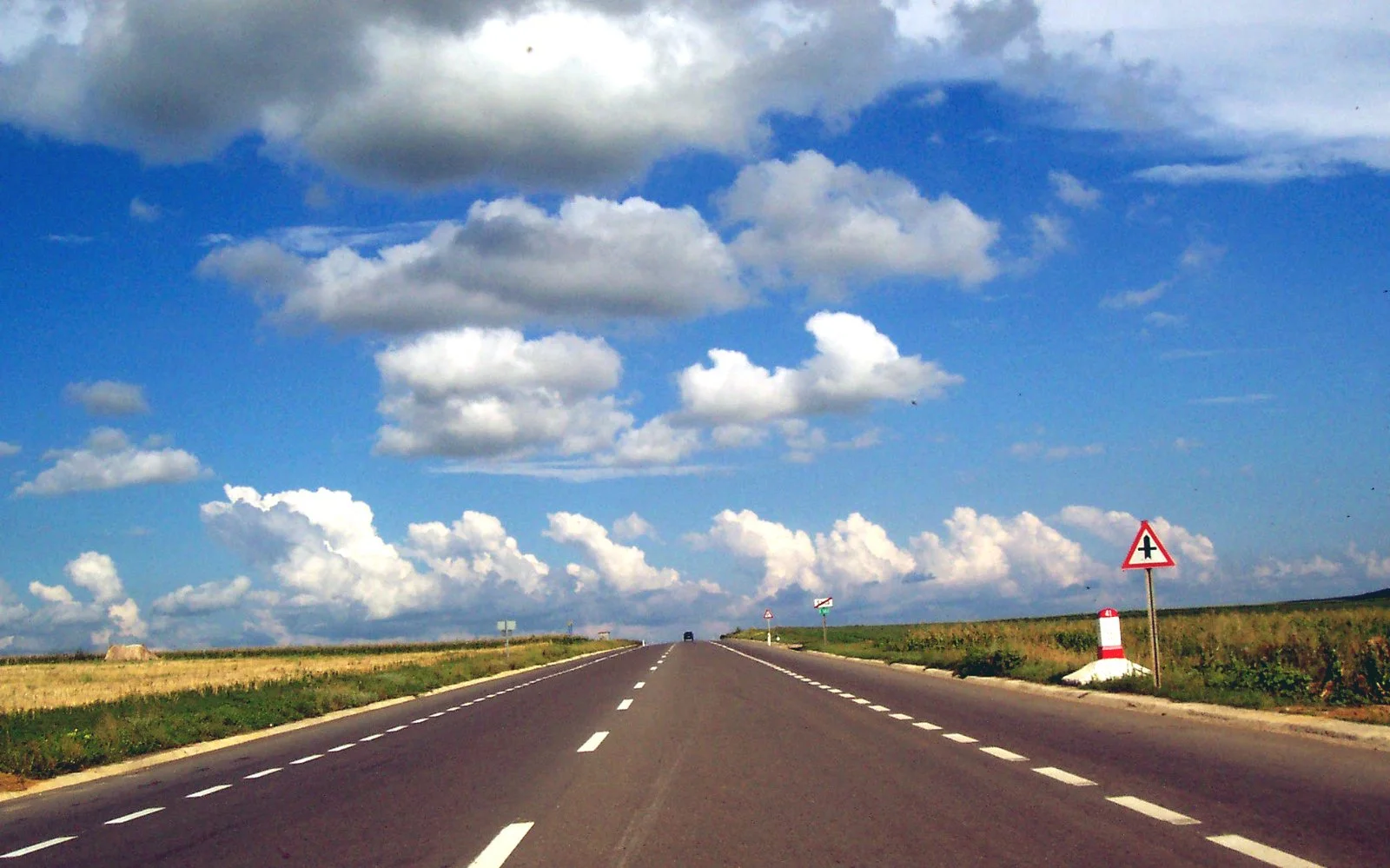
Free Roadside Assistance

If you purchase roadside assistance from providers such as CAA, Canadian Tire, etc. you are looking at spending somewhere around $65 to $100 annually. But why pay for Roadside Assistance when you can have it free? Today, I will provide you with a few credit cards which provide Roadside Assistance for free and you will never have to pay again.

As of this writing (and to the best of my knowledge) there are 4 credit card providers in Canada that offer free Roadside Assistance with their credit cards. These providers are BMO, TD, Home Trust, and Canadian Tire.

BMO provides free Roadside Assistance via three different credit cards, with an annual fee ranging from $79 to $120. Keep in mind that these cards also provide many other perks and benefits.

BMO CashBack World Elite Mastercard

BMO CashBack World Mastercard

BMO Shell CashBack World Mastercard

TD’s Cash Back Visa Infinite card has an annual fee of $120 and also provides free Roadside Assistance. Two no annual fee credit cards provide free Roadside Assistance. These are:

Home Trust Preferred Visa and

Triangle World Elite MasterCard

All of these cards provide assistance 24 hours a day across Canada and the USA such as towing, fuel delivery, battery boost, flat tire change, lock out service, winch, etc.

Service Calls per year

Triangle World Elite MasterCard = 5

BMO & Home Trust = 4

TD = Unlimited

Towing Limits

Triangle World Elite MasterCard = 250 km

BMO = 10 km, Home Trust = 5 km

TD = 200 km

There may be other benefits provided by these cards’ roadside assistance programs as well. Find the card that best suits your lifestyle and needs so you can have the best of both rewards points/cash back and free Roadside Assistance.

Your Debt Won’t Go Away Unless

First Steps to Get Rid of Debt

First Published: Published Date : June 11, 2016 ADawnJournal.com

Debt is like a never-ending vicious cycle that’s just hard to terminate. Most people who are in debt failed to realize two simple and basic things that make it impossible to get out of debt. Today, I will talk about what you need to realize first, even before applying other debt-relief strategies.

Accept You Have a Debt Problem – This is the number one thing you need to admit or accept: that you have a problem. Most people failed to realize that they had a problem and that led them to not take any actions to work towards eliminating their debt. Think of an alcoholic who does not admit he is an alcoholic and declines to get any help. The same applies with debt. If you don’t admit it, you will never get help or take steps to be debt free.

Stop Borrowing More – This is another big problem that makes it hard to get rid of debt. If you are in debt and paying your balances slowly every month, it should be OK, right? That’s right. However, the problem is when you are paying your balances, but at the same time borrowing more. It’s like you are paying $200 per month towards you loans, but taking out $300 per month. The end result is you are sinking more into debt.

Obviously there are more steps you need to take to get rid of debt. Paying more towards debt, earning more, consolidating debt, and seeking professional help are only a few to mention. All these will happen as long as you go through the first two most important things I mentioned above.

Tips for Starting or Buying a Business

Buying an Established Business

First Published: EntrepreneurJourney.com Aug 13, 2011

Entrepreneurs like to build businesses from the ground up by developing ideas and putting the time and effort into it. However, it may not always be realistic to build something from scratch – especially when time is of the essence and ideas seem to not be making sense. Buying an existing business gives some advantages over starting a brand new one. For example, you already have a customer base, a setup procedure that runs the business, and its reputation. On the downside, there is a lot of money to be spent, and you may run into something unexpected, causing you lots of headaches and financial loss. Today, I am going to talk about a few things you should consider before buying a business to make your new venture a smooth and a successful one.

Choose The Right Type of Business – Do not just buy something you are not familiar with just because you think this is where the money is. Buy something that interests you and make sure you have the required skills and knowledge to stick with it for a long time. It is likely that you will be putting in long hours year after year without any break or vacation in your business. If you buy something that does not interest you, for sure you will give it up in just a few months. Also, don’t forget how relevant the business is to your line of experience. If you never drove a taxi cab before or set foot in a garage, it makes no sense to start “Jimmy’s Taxi Cab” – because you are bound to be a failure.

Know You Limits – Have a clear idea of exactly when you can buy, what you can afford to buy, and where you can location wise without constraining your budget.

Get professional Help – It is unlikely that you will know the ins and outs of buying a business. Hiring a professional such as a business broker not only will help you to save time, but will also avoid the unnecessary hassle you need to go through when buying a business. Some of the issues a broker can pinpoint: if the business is hiding anything or has any financial problems, they can inform you on the latest rules and regulations, negotiate with the seller to save you money, help with obtaining licenses and permits to operate the business lawfully, and so on.

Some resources – Here are some websites to help you with your research finding a business.

- International Business Brokers Association

- Biz Buy Sell

- Business Broker

- Business Sell Canada

- Business For Sell Canada

- Biz Match

- Canadian Biz Mart

Your Holiday and the Environment

Green Holidays

As the pages fall from the calendar and time spins inexorably on, it is amazing to think just how close we are to the month of June. Genuinely, it seems like time speeds up the longer it goes on – although the reason for this is more to do with us having lived longer, so each day will seem comparatively shorter as we move along our own personal time lines. Regardless of this, though, the closeness of June means that we are moving steadily towards the time for summer holidays. Every year the summer months see people in their droves heading for some far off destination for a little bit of rest and recreation. But for the environmentalists among us, is there a danger that the conflict between our desire to have fun and our desire to stay true to our morals could spoil it all for us?

Looking at it another way, are we as people doing enough to protect the planet that we have, particularly when it comes to traveling to another part of it? Holidays are important. We work all the year around to feed and clothe ourselves and our families, and in order to be able to do it all over again we need that release which only a holiday can bring. Balancing this holiday with our environmentalist concerns, though, is never the easiest task. The reasons for this are more complex than just wanting to jump on a ‘plane and feeling that we cannot – although, of course, that does play a part for many of us.

Holidaying serves a necessary purpose – allowing us to relax. For many, this gets in the way of having a truly green holiday. In order to really let go of the stresses and strains of a working life, some of us need to put as much distance between ourselves and our place of work. This will, naturally, impact upon the environment more than a cycling holiday in a neighbouring state. How can we not feel guilty about that? It’s easy to say “just don’t fly”. But how realistic is it?

Once we get to the point where we are putting ourselves under immense pressure and personal guilt for having a natural impulse, we are not helping ourselves. Taking a more realistic, even compromised, position so that you get the holiday you want without doing excessive damage to the environment does not make you a monster. There is a lot you can do to offset environmental damage, all the more so if you look at greener airlines who will allow you to fly where you want to go while still doing what you can to lessen the environmental impact.

Many airlines these days are practising more realistic policies on fuel use by changing the way they fly, and performing better and more maintenance on the aircraft to stop emissions as well as making the flight more efficient. Changing where you go on holiday is something you can do to help the environment, but looking at where else you can make compromises is something that enables you to have some more freedom of choice.

To streamline and minimize blog maintenance, I will be discontinuing maintaining the Thegreenlivingblog.com website (however, I will still hold the domain). I will gradually move all articles from this site to A Dawn Journal. This article originally published on the above website on May 29, 2009.