The Improving Highway Infrastructure of India

India’s New Highways

First Published Date : November 29, 2010 ADawnJournal.com

India is a nation that is growing quickly, but one of the main problems with it is the fact that it has some very poor highways. These highways have been made haphazardly for many years and that has led to very unsafe roads. That leads to many companies to worry about investing in India because if they do not have a proper infrastructure, then they may not be able to handle the immense traffic going in and out of the country. As a result, the country has implemented the National Highways Development Project as a way to upgrade, improve and widen the major highways in India to meet the standards of the developed world.

The project began in 1998 when the national highways of the country accounted for only two per cent of the roads but carried 40 per cent of the traffic. Currently, the project is managed by the national Highways Authority and as of 2010, the department has put $100 billion into the project.

The overall project to improve the road of India, making it easy to trade with other countries and improve its standing with investors in developed countries, has several phases.

The first phase is connecting the Golden Quadrilateral, running 5,796 km, with the four major cities of Delhi, Chennai, Kolkata and Mumbai. The total cost of the project is $6.8 billion, funded mostly by the government and their oil production tax. Currently, the phase is near completion.

The second phase is to connect the four points of the country, the east, west, north and south. This project will run 7,300 kilometers, effectively connecting the outreaches of the country. Currently, roughly 50 per cent of the project is complete, costing $10 billion so far.

The third phase is to upgrade the 12,000 kilometers of the national highways in the country, connecting all the major cities. Currently, only 2,000 kilometers have been completed.

The fourth phase is to widen roughly 20,000 kilometers of road that are not part of the first three phases. This phase has not been started yet.

The fifth phase is to upgrade four lane highways to six lane highways, comprising about 5,000 kilometers of roads. This phase has not been started yet.

The sixth phase is to connect commercial and industrial towns with expressways, This comprises several hundreds of kilometres.

The seventh phase will add ring roads to help improve connectivity of national highways to major cities in the country. There are several projects being proposed in this regard.

These projects are going to help India reach a new level of development. For the country, having a great infrastructure is important because investors will look at that and decide to invest in the country. In addition, these massive building projects will help give hundreds of thousands, if not millions of people work, raising the standard of living for them and bringing many out of poverty. It is good for the country, the people and the world, as India becomes a more developed country.
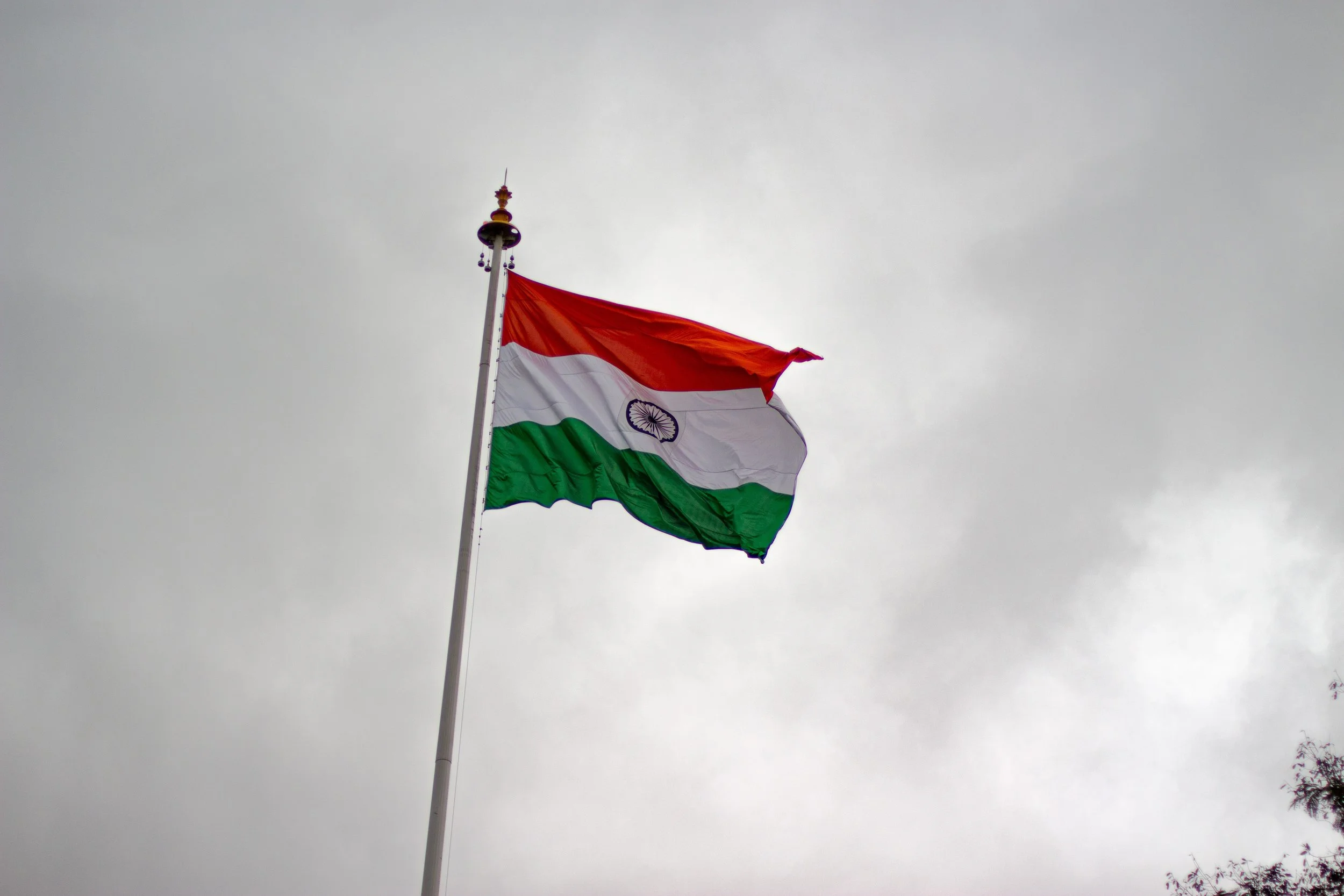
The Economy of Russia

Economy of Russia 101

First Published Date : December 3, 2010

Russia is a unique country that was a superpower for one time, and may become one again depending on how things go for it in the 21st century. Currently, the economy of Russia ranks as the 12th largest economy on the planet in terms of its nominal value. When purchasing power parity is looked at, the country ranks seventh in the world in terms of economic size.

Russia has many things going for it that other countries do not, allowing it to have immense wealth. These include its abundant natural resources such as precious metals, oil, gas and coal. In addition, Russia has a rich amount of agriculture, allowing it to supply the world with vast amounts of grain.

Russia went through several tough periods during the close of the Cold War and the early 1990s. During the early 1990s, when economic reforms were put in place and privatization occurred, the country went through vast changes, not all for the good. Currently, the private sector does not have as much freedom as in other countries and the protection of property rights is quite low.

The country has about $300 billion in exports, with its exported items including petroleum, natural gas, wood, metals, chemicals and civilian and military items. Its main exporting partners are the Netherlands, accounting for 11 per cent of exports, while Italy, Germany, Turkey and Ukraine account for eight, six and five per cent respectively. China accounts for four per cent of exports, as does Poland. Russia imports $200 billion in goods, with its biggest imports being vehicles, machinery, plastics, medicine, iron, steel, consumer goods, meat, fruits, nuts and semi-finished metal products. Its biggest trading partners in terms of importing are Germany and China at 13 per cent, Japan and Ukraine at six per cent and the United States and Italy at four percent.

Currently, the gross domestic product of Russia is $1.229 trillion, ranking it 12th in the world, as I have stated. As of right now, the GDP growth of the country is growing by 5.2 per cent per year, putting it ahead of many industrial countries. The per capita GDP (Nominal) is $8,693, ranking the country 52nd in the world. Its PPP per capita GDP is $14,919, also ranking 52nd in the world.

Following the turmoil that came about at the end of the Cold War, the country began to stabilize under the leadership of Vladimir Putin, whose administration did a great deal to increase the economic power of the country. Under Putin’s administration, the nominal GDP of the country doubled, and the country saw immense gains in GDP growth through the 2000s, averaging six to seven per cent growth every year from 2000 onwards. By 2007 the GDP of the country exceeded that of 1990, which showed the country had finally recovered from the deep recession it went through in the 1990s following the end of the Cold War.

Industry in Russia grew by 75 per cent while Putin was in power, with investments also increasing by 125 per cent. Other areas such as agriculture and construction also jumped up greatly during those eight years. The average salary increased by eight-fold, and real incomes doubled. Consumer credit between 2000 and 2006 jumped 45 times, with the middle class of the country going from eight million to 55 million, which is an increase of seven times. On the same note, the number of people living in poverty in Russia went from 30 percent in 2000 to 14 per cent in 2008.

The economy of Russia is heavily dependent on commodities. Roughly half of all the budget revenues of the government came from custom duties and taxes put in place in the fuel and energy sector. While the level of poverty has fallen, the gap between rich and poor has increased greatly between 2000 and 2007. The income of the rich grew 14 to 17 times larger than the incomes of the poor during that period. One of the biggest revenue makers for Russia is arm sales, which have gone up to the point where Russia is now the second largest seller of weapons on the planet, with the United States ranking first.

Another area where there has been increased growth includes the IT industry, with the country ranking third behind India and China in terms of outsourcing software destinations. The space industry is also ahead of the United States, ranking second behind the European space industry.

The economy of Russia has taken a major hit during the major economic crisis felt around the world. The country has seen its revenues fall sharply during 2008 to 2010 as a result. Oil prices dropped from $140 to $40 per barrel, which the budget reserves of the country falling greatly as a result. In 2009, industrial production fell by 16 per cent, while fixed capital investment was down by 15.5 per cent. The GDP shrunk by nine per cent, but that is beginning to recover as of 2010.

Russia, which is the largest country on the planet at 17 million square kilometres, covering one-ninth of the world’s surface, also has 142 million people in it. This gives the country an immense amount of power and ability to help influence the world in an economic sense. While the country suffered during the collapse of the Soviet Union, it has risen out of that turmoil to become a world power once again.

As time goes on in the 21st century, there is a good chance we may see Russia once again become a super power, as it was in the 20th century. The country has a lot going for it with hard working people, immense natural wealth and a bevy of trading partners all along its borders. How it manages that wealth and the economic troubles it may face in the future are not certain, but that does not mean Russia will not be an economic force to be reckoned with as China and India below it all rise up as super powers, shifting the balance of power in the world from the East to the West.

Netflix Canada Review

Netflix Canada Offers Unlimited Programs

First Published Date : December 9, 2010

What Is Netflix?

Netflix is an online video streaming service that allows you to watch unlimited movies and television shows for $7.99 a month. You can use devices such as PC, laptop, PlayStation (PS3), Nintendo Wiis, Xbox 360, iPad, iPhone etc to stream from Netflix. Some newer Internet-connected HD televisions and Blu-Ray players are also able to stream Netflix.

The Sign-up Process

Netflix makes it very easy and simple to sign up. You don’t need to download any software or anything. You should be able to watch a movie within five minutes after opening the Netflix website in your browser. Netflix offers free service for the first month, so try it first to see if you this is for you.

How Recent Are The Movies?

Don’t expect to find very recent movies on Netflix – this is something Netflix can’t do, although they may want to. Distributors will not provide recent movies and TV shows to Netflix because of the obvious reason – they don’t want to lose revenue. However, I have no complaints about what they have. There are new arrivals on a regular basis.

How Is The Video Quality?

Overall not bad. Netflix has both HD and non-HD content. I watched movies on my Acer 13.3 Timeline Laptop, Samsung 21.5 Full HD SyncMaster monitor, and Acer 21.5 Full HD monitor. When I went on full screen mode on my 21.5 inch monitor, video quality seemed to be compromised (even HD movies) a little bit. However, it’s still not bad at all. Netflix needs to work a little bit on video quality for big monitors and I believe it will happen in time.

Can Netflix Be A Threat To Traditional Video Stores?

I believe it can be. Traditional video shops like Blockbuster and other chains will have to come up with more innovative products to compete with Netflix. Although you will not find newer releases on Netflix, viewers would still prefer the convenience of not leaving home and will likely be reluctant to head to brick and mortar stores.

What I Like About Netflix

Here are some features I like about Netflix:

– Neat and clean interface

– Very easy and simple to use

– If you stop watching a movie and leave, Netflix will remember where you stopped 
  and  start from that scene upon your return.

-As you keep watching, Netflix tries to understand you, and based on your
  preferences it recommends movies you will like. This is, actually, one of my favourite
  features on Netflix.

Some Features Netflix Can Add

– I don’t watch TV except news. If Netflix can add news to their inventory, it will be
  able to pick up a good chunk of viewers like me who watch TV only for news.

– Although Netflix streaming is very efficient using the amount of data, it would be nice
  to have a meter showing data use statistics.

Netflix is the first in Canada to offer online video streaming service. Expect more players to enter the market in the future – and more competitions will bring more value for consumers.

How To Choose The Right Credit Cards

What To Look For When Choosing Credit Cards

First Published Date : December 23, 2010 ADawnJournal.com

When it comes to picking a credit card, you will be bombarded with a wide array of options and an overload of information. This will make you even more confused, even if you are not confused enough yet. Today, I will discuss some factors you need to consider before making your decision.

Annual Percentage Rate or APR

Annual Percentage Rate or APR is the interest you pay to your credit card company for carrying a balance. In other words, this is your cost of not paying balances in full every month and using the credit card company’s money. If you pay off your balance in full, you don’t need to worry about Annual Percentage Rate or APR that much. This will give you more flexibility to pick credit cards with other features. If you carry a balance, pick a credit card with the lowest APR possible. Make sure the APR is not a promotional one and available only for a limited time. Picking the lowest APR credit card will save you tons of money for the lifetime of the loan.

Annual Fee
In general, try to avoid any annual fee. However, if you carry a balance some credit cards with annual fees offer lower interest rate or APR than those cards with no annual fee. Do the math and if you find out that an annual fee credit card will save you more money in terms of carrying a balance, pick an annual fee card with the least interest possible.

Balance Transfer

Some credit cards will give you a balance transfer option with a low introductory APR. You need to make sure of a few things before you jump into this feature to save some money. I have discussed this in another article and I recommend you read it here: How to Use Your Credit Card Balance Transfer to Your Advantage

Grace Period

Grace period is the time you have to pay off your balance after making a purchase without paying any interest. If your credit card does not have a grace period, you will start paying interest as soon as you make a purchase. In many countries, there are credit cards with no grace period. In Canada starting in 2010, due to the federal government’s new credit card regulations, federally-regulated financial institutions are now required to provide at least a minimum 21-day grace period on new purchases, and this is applicable on new purchases when you carry a balance as well.

Rewards Credit Cards

These days, I see no point in using a credit card without any rewards. A rewards credit card offers you points or rewards just for using it. Rewards can be in the form of cash back, Air miles, Aeroplan miles, merchandise, and so on. I prefer cash back, as it does not restrict you to using your points on anything specific. If you use reward points or miles, make sure they don’t expire and are easy to use without restrictions and hassle.

A Few Other Things to Look For:

I always make sure your credit card provides the following:

– Free Purchase Warranty: This feature protects your purchases against theft, loss, damages, etc. for 90 days or so depending on the credit card company.

– Free Extended Warranty: This feature doubles the manufacturer’s warranty for an additional year.

– Free Price Protection: This feature refunds the difference if you see the same item you bought at a lower price anywhere else.

– Free Collision/Loss Damage Waiver for Rental Cars: This feature insures you for rental cars if it’s lost or damaged. You save money on the rental company’s insurance that otherwise you would have to pay.

-  Free Travel Accident and Baggage Delay Coverage: This feature covers you from travel accident injuries and baggage losses or delays.

It is important to note that you may not be able to get all the free features I mentioned above in one card. What I do is carry two or three credit cards giving these free additional features and whenever I need a feature covered, I use the credit card with that feature. A Dawn Journal has a credit card section with lots of credit card articles. Make sure you read them and don’t for get to recommend A Dawn Journal to your friends and family.

What Happens To Your Stocks When Company Goes Bankrupt?

Your Shares and Bankruptcy

First Published Date : January 10, 2011

Before buying stocks, you should consider the various risk factors. A company going bankrupt or going through debt restructuring presents serious risk, for example. Today, I will briefly discuss what can happen to your shares should the above happen and how to minimize your risks.

Bankruptcy or Restructuring

Here are some scenarios that may happen in case of bankruptcy or restructuring:

– When bankruptcy happens, creditors have priorities before shareholders when it comes to getting their money back. Preferred shareholders are in a more advantageous position than common shareholders to get back their money. Preferred shareholders may get little (or none); however, it is unlikely that common shareholders will get anything at all. If the company is liquidated (totally out of business), both shareholders are prone to not get anything.

– If the company continues to operate under bankruptcy protection to restructure itself (meaning getting out of debt), most of the time it issues new shares when it emerges as a restructured company. Old shares often get cancelled or delisted in this situation. Investors are likely to lose everything.

How To Protect Yourself

Any type of investment involves risks. Though it may not be possible to eliminate your risks completely, you may be able to lessen your risks to certain degrees by doing the following:

– Know what you are getting into before buying anything.

– If you do not understand the company, or if it seems to be too complicated business model, most likely it is not your cup of tea.

– If you do not have the financial expertise to pick stocks or buy investment products, seek advice from a qualified and trustworthy financial professional.

Becoming a successful investor is an ongoing learning process. Always keep learning and broadening your financial horizon.







